Your Personal Brand is Better Than a Resume. Here’s How to Build One.

By Lindsay Casale | Fractional CMO for Early-Stage Tech Founders
TL;DR: Personal branding is the practice of defining your expertise, communicating it clearly, sharing it consistently, and building a reputation that creates opportunities over time. This post covers why it’s worth the investment and exactly how to start.
I got the best career advice of my life on my friend's couch. I was about to graduate college and my friend's dad, who was an Oracle exec, walked into the room while we were talking about job hunting. So I asked him for some advice on how to stand out in a competitive job market. He told me I needed to build a personal brand, and the best way to do that was to start a blog about topics that showcased my expertise. Not just a resume or a LinkedIn profile, a real body of work that proved what I could do.
So I took his advice and started a WordPress blog called Rising Pro. Since I was just entering the workforce, I didn’t feel like I was an expert on anything yet. So I decided to share my real experiences as a young professional in San Francisco: negotiating my first salary, navigating difficult bosses and coworkers, getting promoted, all of it, in real time.
I kept that blog going for 10 years, and I can’t overstate how much it did for my career. It was not only cathartic while I was navigating my own transitions, but also gave employers proof that I could write, design a website, run SEO, amplify content on social, and think like a marketer.
Sixteen years later, it’s still just as relevant to build a personal brand, mostly because a majority of people still do the bare minimum. The tools have only gotten better: Substack and Medium make publishing your point of view effortless, and now you can vibe-code a simple site to showcase your work in an afternoon.
What Is Personal Branding?
Personal branding is defining your expertise, communicating it clearly, sharing it consistently, and letting that build into a reputation that creates opportunities over time.
Before you start writing or vibe-coding, treat yourself like a company launching for the first time. That means you need to start with a positioning exercise, answering these 5 questions:
Who do you want to help?
What do you want to be known for?
What perspective do you have that others don’t?
What evidence backs that up?
If someone recommended you, what’s the one sentence you’d want them to say?
How to Start Building a Personal Brand
Once you’ve got answers, these four steps turn positioning into an actual personal brand:
Messaging. Translate your positioning into language people can understand and repeat. Test it among your audience, refine it and then turn it into your bio, your website headline, your elevator pitch, and the topics you write about.
Digital presence. Build a professional home online: a website, blog, and/or social profiles, that reinforces your positioning and gives people somewhere to learn more. I recommend a personal website with an embedded blog, and then using social channels to share your expertise and drive people back to your site.
Content engine. Publish consistently around a small set of themes. Aim to post on relevant social channels 3x/week and publish 1-2 blogs/month. Depth on a few topics builds more credibility than range across many.
Networking and distribution. Expand to get your ideas in front of more people through conversations, speaking, podcasts, and communities where your audience already spends time.
Do this consistently and your positioning, content, and visibility compound into a reputation, one that eventually brings the opportunities to you.
Overcoming The Fear of Building in Public
Here’s the real hurdle: most of us are used to working behind the scenes, not being front and center. Building a personal brand means being visible, and for a lot of us, that’s uncomfortable and scary.
The fix is to start small and stack reps. When I launched GTM Tea earlier this year, I started with Twitter Spaces: audio only, small reach, low stakes. Once I had a few under my belt, I moved to camera-on livestreams simulcasted across multiple social networks. Speaking followed the same path: I volunteered for small events where I spoke among my peers first, then worked up to bigger stages once I had the reps behind me.
Start small, build up, and you’ll be surprised how quickly you find the confidence to be more visible.
The Investment Pays Off
Building a personal brand takes real time, especially at the start. But 16+ years in, I can tell you it’s been one of the best investments I’ve made in my career. My original blog led to interviews, jobs, and the bonus was that it helped other people navigate the same transitions I experienced, leading to new connections and mentorship opportunities.
I’m in a new chapter of that same work now. Earlier this year I vibe-coded my own site (lindsaycasale.com), launched the GTM Tea series, and started posting consistently on X and LinkedIn to share my expertise on leading marketing teams in today’s workforce.
If you’re thinking about building your own brand, I’d love to help. Message me at lindsaycasale.com.
Links
Related articles
jev for seo is insane (here's why)
Jev launched on September 15 behind a waitlist. It doesn't chat. It doesn't generate text. You send it state and a typed question, it returns a probability in about 250 milliseconds, for a fraction o…

How We Generated Millions Of Organic Clicks With Programmatic SEO
most SEO looks like this:
Our Entire $35M AI SEO Playbook (and how to copy it)
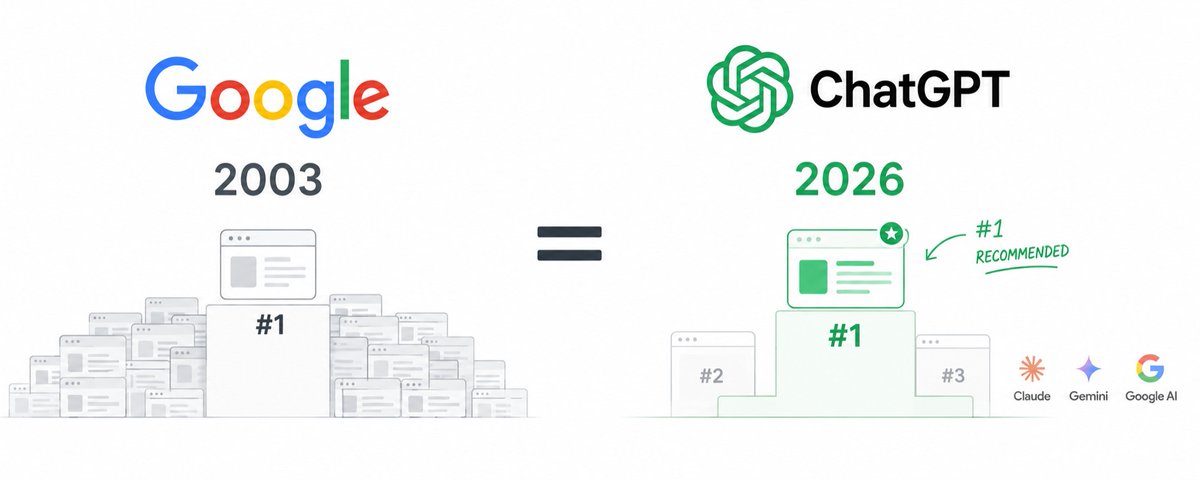
in 2003 you could publish a blog post and rank on Google in a WEEK