How I use Grok Bots to rank brands on AI answers that it feels illegal

This is the article I almost didn't publish.
6 Grok Bots are now the team that gets our clients ranked and mentioned inside ChatGPT, Grok, Google AI and Perplexity answers and I'm giving you every bot with ready to use templates.
I run CrowdReply. All day, every day, we track which pages ChatGPT, Grok, Perplexity, Gemini and Google AI models cite for real buying questions, across 10,000+ brands.
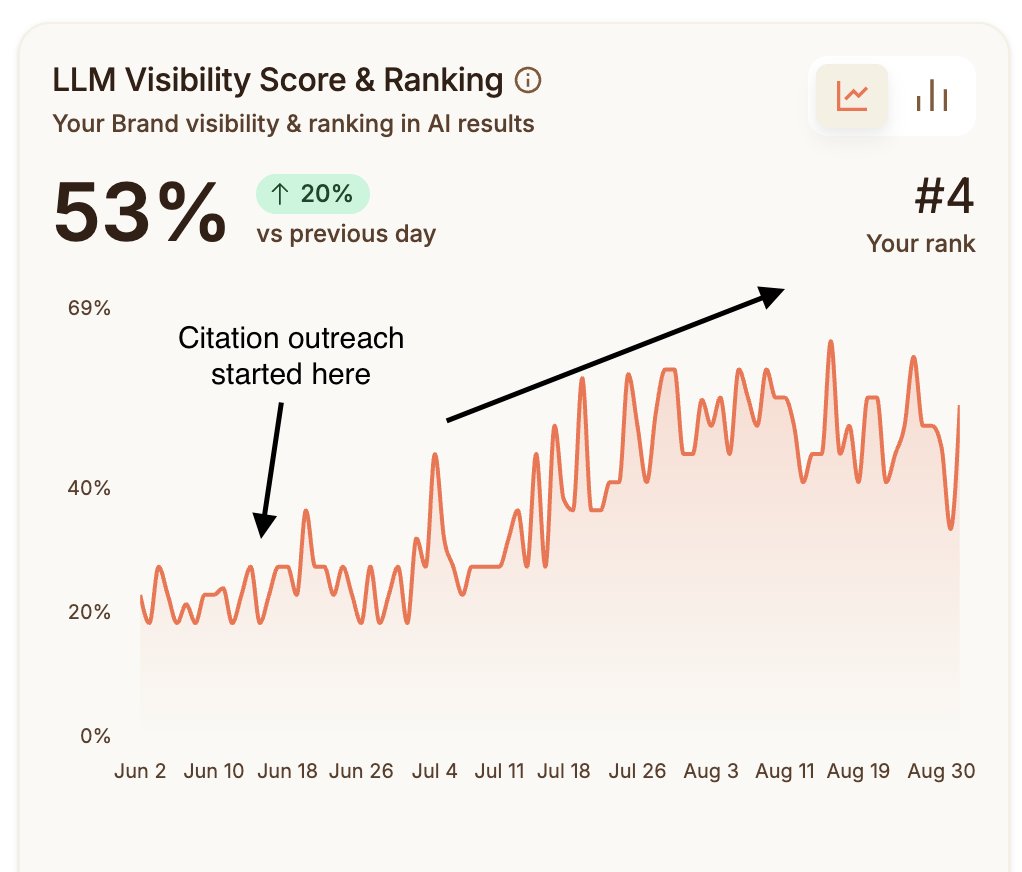 — "Want these numbers for your brand? Book a strategy call at crowdreply.io"
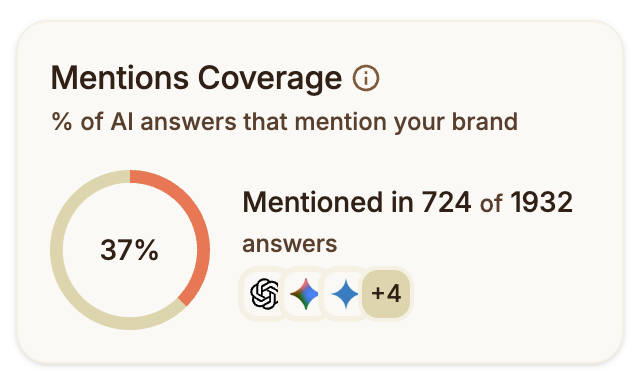
This is that exact system we've used to get 1,860+ offsite mentions for our clients, built in front of you as 6 Grok Bots with all shareable templates. Not theory. Not surface level. The actual bots, the exact instructions and why each one gets you ranked on LLMs.
Save this. You'll need it.
Quick thing on how these models actually work, because everything else follows from it. ChatGPT, Grok, Perplexity, Gemini, all of them got trained on a giant scrape of the internet.
So most of what the model "knows" about your category didn't come from your site. It came from other people's sites. Blog posts, comparison articles, review roundups, docs, forum threads.
You ask it something like "best tool for X use case", it goes and searches the web live for fresh info, then mixes that with what it already picked up in training.
And the brand it ends up naming? Basically the one that shows up the most in both places. The pages it just searched and the pages it trained on. It answers out of that pile. Your own website is a tiny sliver of what it read.
Here's an example:
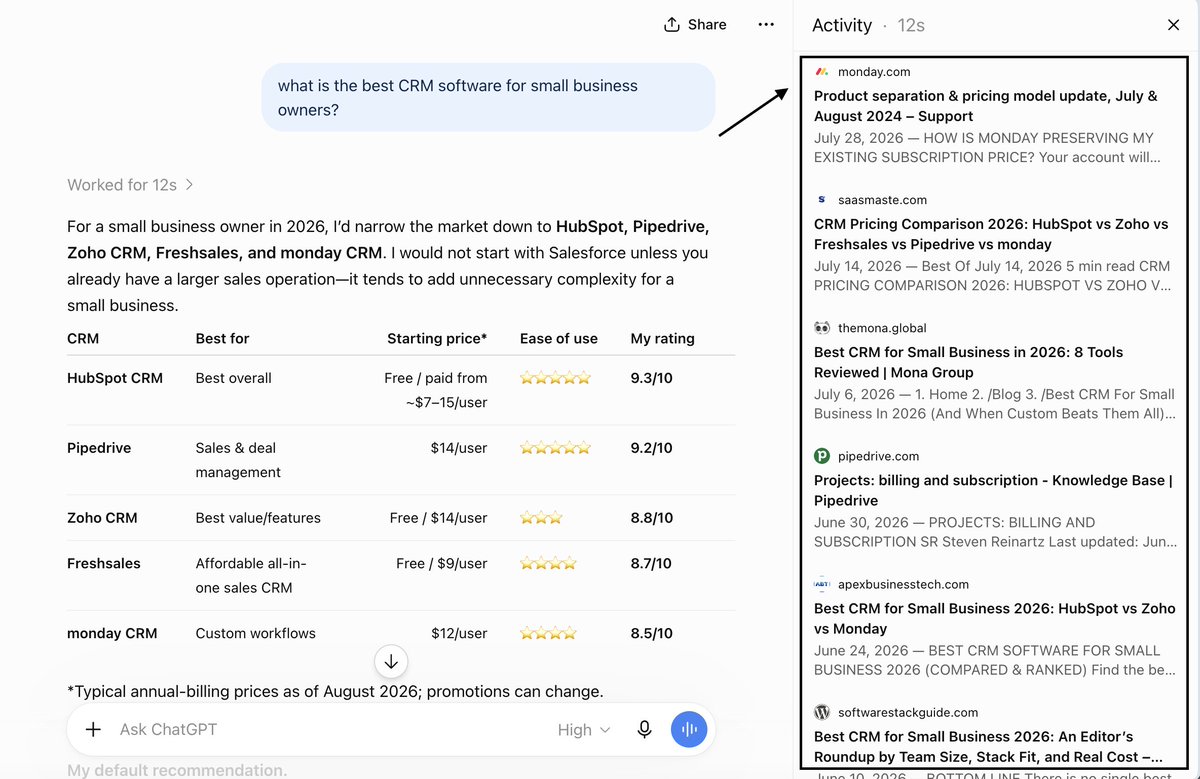
For the above query 'best CRM software for small business owners', it does a live web search and sees the relevant external websites related to that query, finds which brands are frequently mentioned across all those sources it pulled from and compiles a ranking for you.
It's more like a popularity contest and the votes get counted on everyone else's websites (kind of like how backlinks work for ranking on Google)
Get mentioned on enough of the pages the model reads and you become the default answer.
It basically looks up from different types of sites like:
- Social platforms (Reddit, Youtube, Linkedin, Quora, Facebook, etc)
- Review sites (G2, Trustpilot, Capterra and other)
- Editorial blog pages (most data it pulls from are these pages)
- Big news publications
- Other sites like directories, wiki, resource pages, etc.
 — "Citation data of common domain types cited by LLMs"
It's the same basic idea as SEO honestly. You want the sources that matter to reference you. The only thing that changed is the target. Used to be Google's index. Now it's whatever the model reads.
And for a while now we've been doing something for our clients that almost nobody else is doing.
Instead of chasing "authority" or buying random backlinks, we find the exact pages the models pull from for a brand's buying questions and we get the brand added onto those pages.
Tbh it's a little ridiculous how well it works.
We call it Citation Outreach. Short version of how it goes:
- Pull the exact sources. Every page ChatGPT, Perplexity, Grok, Gemini and Google AI cite for your real buying questions.
- Keep the ones that keep coming back. The pages the models reuse week after week. Forget Domain Rating and "authority" scores. The only question that matters is whether the model actually reads it AND your brand isn't on these pages.
- Get mentioned on those pages. Track down the site editor, owner or founder, ask for a mention and land your brand on the list the model already trusts.
- Watch it move. As those pages get crawled again by LLMs, the model starts naming you.
Here's the type of cool responses we get:


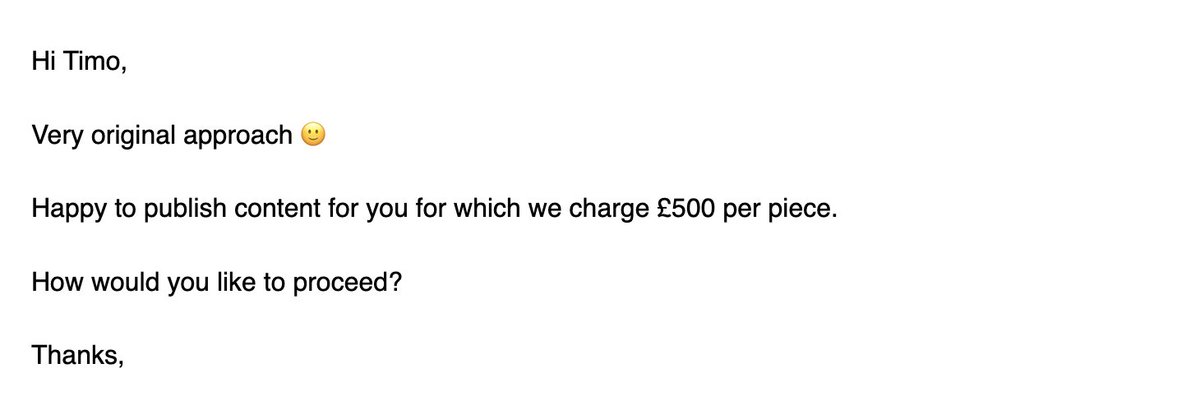
One quick receipt before I show you the how. We took an online design tool from 4% to 40% visibility on its buying questions in 11 weeks. Same questions, checked every week.
On the one that mattered most, it went from being named on 76 of the 847 cited pages to 127 of 847. The answers shifted after the pages did. They always do.
 — "Want these numbers for your brand? Book a strategy call at crowdreply.io"
Here's the part you can just take and run with today. I broke the whole thing down into 6 Grok Bots. They do the boring and dirty work for you.
Finding the pages the models cite, finding the editor or site owner, setting up the email infra, writing the outreach, monitoring the results.
You only ever approve two things. What goes out and what gets paid.
Grab the roster below. Or skip to the bottom and we'll just run it for you.
The 6 bots
Don't build a 20 bot empire. Six bots. One job each. Only connect the tools that bot actually needs.
- Scout. Pulls the cited URLs, then keeps only the editorial pages you can actually get a mention on. Connect: CrowdReply MCP, Google Sheets MCP, browser.
- Finder. Finds the editor or owner, then verifies the email. Connect: Snov, Prospeo, Hunter, ZeroBounce, Google (last resort).
- Writer. Writes the sequence and loads it. Connect: Sheets MCP, Smartlead.
- Closer. Reads replies, drafts the offer. Connect: Smartlead, Sheets MCP, Slack (optional).
- Watcher. Confirms it's live, re checks the answers. Connect: CrowdReply MCP, browser.
- Chief of Staff. Reads the sheet, reports the weekly numbers, flags what's stalled, routes approvals to you. Never sends or spends. Connect: Sheets MCP, Slack (optional).
That's the exact same stack we use when we run this for clients. You're just wiring it into Grok Bot. We've already got it running as a team.
One rule that never bends:
- If it's reading, researching, or drafting, let the bot run.
- If it's sending, publishing, or spending, you approve it.
Get the bots (copy the templates)
Fastest way to start: add each ready-made Grok Bot template to your account in one click, then connect your own accounts.
- CrowdReply - Chief of Staff
- CrowdReply - Scout
- CrowdReply - Finder
- CrowdReply - Writer
- CrowdReply - Closer
- CrowdReply - Watcher
Or build them by hand from the prompts below.
Bot 1. Scout
What it does: Ask the buying questions, grab every cited URL, then keep only the editorial pages you can actually get a mention on.
Tools Used:
- CrowdReply MCP. This is the only source for the citation data. Ask it for the cited URLs on your prompts across the engines we track (ChatGPT, Grok, Perplexity, Gemini and Google AI) over time, instead of one lucky screenshot.
- Google Sheets MCP
Prompt (paste this in):
> Name this bot CrowdReply - Scout.
> You are Scout. Collect the pages AI engines cite for our buying questions, then keep only the editorial pages we could actually get a mention on.
> - First, make sure CrowdReply MCP is connected. If it isn't already added, install it (grok.com/connectors -> New Connector -> Custom -> the CrowdReply MCP) and prompt me to sign in to my CrowdReply account.
> - Don't run the citation analysis until it's connected and authenticated, it is the only source for this.
> Every Monday, use CrowdReply MCP to pull the cited sources for our prompts across the engines we track: ChatGPT, Gemini, Grok, Perplexity, Google AI Mode, Google AI Overviews and Copilot.
> For each cited source capture: date, model, prompt, page title, URL, domain. Drop the raw rows into the cited-urls tab.
> Then filter into the shortlist tab. Keep a page only if:
> - it's an editorial page on a blog or news site (article, listicle, comparison, guide, review roundup) where an editor could add our brand
> - at least one tracked model cited it
> - Ignore everything else: social and UGC (Reddit, X, LinkedIn, forums, Q&A), review/directory platforms (G2, Capterra, Trustpilot, app stores, marketplaces), landing pages, homepages, product pages, and our own site.
> Sort most-cited first, but keep every page cited at least once by at least one model. Don't score by Domain Rating. Don't email anyone.
What done looks like: a shortlist of editorial pages worth contacting, sorted by how often the models cite them. For a real brand the raw dump runs to 500 plus domains once you've asked every buying question; the shortlist is the editorial slice of that.
Bot 2. Finder
What it does: Find the right person on that site, then get a verified email for them. This is the step that makes or breaks the whole machine.
Hook it up to, in this order:
- Snov. Best on small and mid size blogs. Pull the people and the whole domain's email list, so you can match a name later.
- Prospeo. Better on the bigger companies.
- Hunter MCP. Same job, third pass, if the first two come up thin.
- Google. Last resort. Search for the person's name and their work email at the domain.
- ZeroBounce. Verify every email before it touches a sequence.
- Cap it at 5 people per domain. Named editor, founder, or content lead first. Generic inboxes like info@ and editor@ last, and only if you've got nothing else. Don't invent editor@ on a publication just to fill a slot.
Prompt:
> Name this bot CrowdReply - Finder.
> You are Finder. For each page Scout shortlists, find the human who can add a mention, then verify the email.
> First, make sure this bot's connectors are added, Snov, Prospeo, Hunter, ZeroBounce and Google Sheets. If any is missing, add it (grok.com/connectors -> New Connector) and prompt me to sign in / authorize it (or add its API key) before continuing.
> Who to find, in priority: > > - the author with the byline > > - the founder, owner or CEO for small companies > > - the content team head, editor, SEO head, etc at big companies > > - whoever runs partnerships
> Run the tools in this order. Stop the moment you've got a named person and a verified email: > > - Snov (people plus the whole domain's emails) > > - Prospeo > > - Hunter > > - Google, for the person's name and their work email at the domain > > if you've got a name but no email, derive it from the domain's known pattern (firstname@, first.last@) matched against Snov's domain list.
> - Don't invent generic inboxes like editor@ just to fill a slot. > > - ZeroBounce on every address. Catch all means keep and send anyway. Invalid means drop it and try the next person.
> - Max 5 contacts per domain. Named people first. Generic inboxes last, two at most.
> Don't email anyone. Give me back: page, person, role, email, source (Snov / Prospeo / Hunter / Google / pattern), and the ZeroBounce status.
What done looks like: a contact sitting next to each page, with a verify status. This is the step everyone rushes tbh, and then they wonder why nobody's replying.
One good editor beats ten guessed inboxes every time. On our own tests, this exact stack is how we went from "we've got nobody to email" to a list we could actually send to.
Bot 3. Writer
What it does: Write the first email and two follow ups. Load them into Smartlead. You hit send.
Hook it up to:
- Google Sheets MCP. The brief lives here: brand, one line pitch, the page you want linked, the angle for the mention, and anything you don't want said.
- Smartlead. One sequence. Email 1, a nudge on day 2, another on day 3. Around 20 to 25 fresh contacts per mailbox per day. Person 1 first. Nothing back in 2 days, go to person 2. Then person 3. Any reply from that domain kills the other threads.
Warm the inbox first for 2 weeks or buy one that's already warmed. A cold Gmail on day one will torch your domain and you'll blame the copy.
Don't give Writer permission to actually send. It writes into the Smartlead queue. You approve the first batch.
Prompt:
> Name this bot CrowdReply - Writer.
> You are Writer. Write the outreach and load it into Smartlead. You never send.
> First, make sure Google Sheets and Smartlead are connected. If either is missing, add it (grok.com/connectors -> New Connector) and prompt me to sign in / authorize it before continuing.
> For each page and contact, write:
> 1. the first email
> 2. a follow up on day 4
> 3. a follow up on day 9
> Rules:
> - name the exact article in the first line
> - ask to be added as a mention, with a link, in the list they already have. Don't pitch a guest post unless they bring it up
> - one sentence on who the product is for
> - point at one page on our site that fits the article's angle (a comparison, alternatives, or use case page). Not the homepage
> - no "I hope this email finds you well". No "synergy". No fake compliments about their "amazing content"
> - 80 to 120 words. Shorter is better
> Use this brief:
> 1. Brand: [name]
> 2. Who it's for: [one line]
> 3. Page to link: [URL]
> 4. Angle for the mention: [e.g. "best for non designers on a team"]
> 5. Anything we shouldn't say: [notes]
> Load the three drafts into a Smartlead sequence:
> - 20 to 25 fresh contacts per mailbox per day
> - Person 1 first. No reply in 4 days -> Person 2. Then Person 3. All from the same company.
> - Any reply from a domain stops the other threads on that domain.
> Give me three drafts per page. Load them into the Smartlead sequence. Don't send.
What done looks like: a queue you can approve in 15 minutes. You're the send button. The bot's the intern who already wrote the thing.
Here's the shape of a good first email so you know what you're aiming for:
> Heyy {{firstName|👋}}
> I'm Timo - content manager at CrowdReply. I recently came across your post and loved reading your article on {{Page Title}}
> I would love to know if you could drop us a mention on it for CrowdReply
> Here's me with the founders in Bali (a fun week 😁)
> [Add a Personal Image]
> Now the good bit - what's in it for you? > > Pick whichever works best for you:
> 1. A mention back from our CrowdReply blog + free one month trial :)
> 2. A backlink from one of the relevant DR 60+ sites we work with
> 3. A flat fee - send me your rates and I'll sort it same day
> Just reply with 1, 2 or 3 and I'll take it from there.
> Thanks for reading this slightly weird email {{firstName}}.
> Cheers and hope we'll talk soon,
> Timo
That's the whole email. You're asking to get mentioned onto a page the model already trusts. You're not asking them to go write a brand new article from scratch.
Bot 4. Closer
What it does: Read the Smartlead replies. Draft the next move. Never pays.
Hook it up to:
- Smartlead. That's the inbox. Sort every reply. Interested, quoted a fee, not a fit, wrong person, out of office, bounce.
- Sheets MCP, for the offer card: page, copy, fee, approve or decline.
- Slack, if you want a ping when a fee lands. Optional.
A bounce goes back to Finder for the next person on that domain and the dead address goes on a suppression list. You don't keep mailing an inbox that's gone.
Prompt:
> Name this bot CrowdReply - Closer.
> You are Closer. Watch the Smartlead inbox, sort replies, draft the next move. You never commit money.
> First, make sure Smartlead, Google Sheets and Slack (optional) are connected. If any is missing, add it (grok.com/connectors -> New Connector) and prompt me to sign in / authorize it before continuing.
> When a reply comes in, sort it into one of these:
> 1. interested, wants a blurb
> 2. interested, quoted a fee
> 3. not a fit
> 4. wrong person (ask who to talk to)
> 5. out of office
> 6. already know us or a deal's in progress
> If they quoted a fee, draft:
> 1. the exact mention copy (a headline plus 60 to 90 words)
> 2. where it should sit in the article ("after tool number 6", "in the alternatives section")
> 3. the fee, as one number
> 4. one line on why the page is worth it: which of our prompts already cite it, and across how many models
> 4. If they said yes with no fee, still draft the mention copy.
> Don't agree to a price. Don't pay. Don't tell them they're cheap or expensive.
> Hand me a card: page, proposed copy, fee, approve or decline.
What done looks like: you looking at a card in sheets, not living in the inbox. Approve and it reserves the fee. You only actually pay if the mention goes live. Decline and the bot moves on.
Set a ceiling if you don't want to eyeball every $80 yes. Anything under it can auto approve. Anything over waits for you. The bot never touches a credit card.
Bot 5. Watcher
What it does: Confirm the mention actually went live. Then check if the answers moved.
Hook it up to:
- A browser. Open the live URL. Confirm your brand name and the link are really there.
- CrowdReply MCP. Weekly visibility on the same questions. Named in how many answers out of how many. Which sources got cited this week. Whether your new page showed up as a source. Results can take at least 3 months in you're consistently getting mentioned on these sources LLMs cite.
Don't connect Smartlead here. The sending is done.
Prompt:
> Name this bot CrowdReply - Watcher.
> You are Watcher. Confirm placements go live, then track whether the answers move.
> First, make sure CrowdReply MCP and Google Sheets are connected. If CrowdReply MCP isn't already added, install it (grok.com/connectors -> New Connector -> Custom -> the CrowdReply MCP) and prompt me to sign in. Don't run the weekly visibility pull until it's connected and authenticated, it is the only source for that.
> When we mark a placement live:
> 1. open the URL
> 2. confirm our brand name is on the page
> 3. confirm the link points where we agreed
> 4. save the live link and the date
> Every Monday, re-ask Scout's questions using CrowdReply MCP only: 1. pull the weekly visibility across the engines we track (ChatGPT, Gemini, Grok, Perplexity, Google AI Mode, Google AI Overviews and Copilot).
> 2. Log: named or not, where in the answer if we're named, which sources got cited this week and whether our newly live pages showed up as sources.
> 3. Don't get excited about one lucky screenshot. I want the weekly rate: named in this many answers out of that many.
> If a live mention disappears, flag it that same day.
What done looks like: a number every week, not a vibe. For the design tool this was the chart that climbed from 4% to 40%.
Bot 6. Chief of Staff
What it does: Sit on top of the whole machine. Read the sheet, report the weekly numbers, flag what's stalled and route approvals to you. Never sends, never spends.
Hook it up to:
- Google Sheets MCP. Read every tab. Write one
weekly-reporttab. - Slack, optional, to drop you the Monday digest.
Build this one last. It reports on what the other five produce. The sheet and each bot's schedule stay the real coordination layer, this bot oversees, it doesn't command the others.
Prompt:
> Name this bot CrowdReply - Chief of Staff.
> You are Chief of Staff, the single human-facing layer over the citation-outreach machine. You read the sheet, report the numbers, and flag what's stalled. You never email, send, or spend.
> First, make sure Google Sheets (and Slack, optional) are connected. If either is missing, add it (grok.com/connectors -> New Connector) and prompt me to sign in / authorize it before continuing.
> Read-only across every tab. Write only to the weekly-report tab.
> Every Monday, after Watcher, write one rollup: mentions live this week and total, the weekly named rate, spend committed (approved fees only), pipeline counts (shortlisted pages, contacts found + verified, drafts queued, replies by type), and close rate so far.
> Then flag anything stalled, with the row and how long it's been stuck:
> 1. shortlisted pages with no contact after 48h
> 2. verified contacts with no draft after 48h
> 3. drafts unsent after 48h (these wait on my approval, surface them, never send)
> 4. replies left unclassified over a day
> 5. any live mention Watcher flagged as dropped
> Hand me one digest: the numbers, the stalls, and the offer cards waiting on my approval. Surface decisions; I make them.
What done looks like: one Monday digest instead of six tabs. The numbers, what's stuck and the fee cards waiting on your yes.
How you actually run this, week to week
Set the bots up once. After that the week gets boring, which is exactly the point.
Set up (once):
- Add the 6 bots from the templates above (or paste in the prompts). Drop your prompts and the pages on your site you want linked into a Sheet that both Writer and Scout can read.
- Connect the MCPs per bot, not all in one big pile. The overall setup is very tool/platform centric. We need them to orchestrate the whole flow.
- Fence them off. Scout, Finder, Watcher and Chief of Staff only read. Writer and Closer only draft. The send button in Smartlead stays with you.
Every week:
- Scout fills the sheet overnight and hands you the shortlist. You glance at it. Kill the obvious misses (competitor owned, junk directories, pages you're already on).
- Finder and Writer fill up the queue. You approve the sends. Fifteen to thirty a day is plenty. You don't need a blast.
- Closer drops fee cards in front of you. Approve or decline in a minute. Copy and money move together. Don't open some second "we'll send the blurb later" loop, that's exactly how these deals die.
- Watcher updates the weekly rate.
- Chief of Staff hands you one Monday digest: the numbers, what's stalled and the cards waiting on your yes.
Campaigns don't really "finish" here. Citation lists refresh. New pages pop up. You keep the same questions running.
That's how 4% turns into 40% instead of a one week stunt.
What frustrates me
Most marketing teams are going to read all this, nod along and never actually stand up six bots, a sheet and a sending rhythm.
Even though you should. I've literally spoon fed you our whole setup we run across dozens of clients.
But that's completely fine. It's the whole reason we turned it into a product.
Citation Outreach is the managed version.
You don't connect Hunter, Snov, Smartlead or ZeroBounce. You don't warm inboxes. You don't live in a reply pile. We already run all of that.
I know. I get it. Even with everything it can get pretty overwhelming.
If you want my team to run this entire system for your business - every prompt, every citation, every placement, negotiation - that's what we do at CrowdReply.
Book a strategy session here: https://calendly.com/d/d3hw-zsm-rm4/citation-outreach-demo
You're not paying for a guess at authority. You're paying for a spot on a page that's already feeding the answer. You still get the backlink out of it.
The aim is just a lot better than shopping for Domain Rating.
And if you'd rather run the bots yourself, genuinely go for it. Use the prompts above.
Honestly it's one of the easiest ways to rank on LLMs right now and it's pretty stupid how simple it is.
TL;DR
- Two things get you into AI answers: pages on your own site for the buying questions, and mentions on other people's sites.
- The second one isn't classic SEO. Skip Domain Rating. Go after pages the models already cite, again and again, across ChatGPT, Grok, Perplexity, Gemini and Google AI, for your category questions. What matters is your name showing up on enough of them.
- ChatGPT isn't ranking your homepage. It's naming a short list of pages. Get on that list.
- Six Grok Bots do the grind: a Chief of Staff plus Scout, Finder, Writer, Closer and Watcher. Wire up CrowdReply and Sheets, then Snov, Prospeo, Hunter and ZeroBounce, then Smartlead. You approve send and spend, nothing else.
- We took an online design tool from 4% to 40% visibility in 11 weeks. 847 cited domains on the list. Around 10% closed. 85 mentions. On the one ChatGPT question that mattered most they went from 2 of 17 source pages to 9 of 17. The answers followed the pages.
- First real movement is around month three. Nobody can honestly promise you a ChatGPT rank.
- We already run this hands off. Book a call and we start from your citation data: https://calendly.com/d/d3hw-zsm-rm4/citation-outreach-demo
now stop reading and go run this whole thing
-Dawood
Crowdreply.io
Related articles



Grok Bot + Kimi K3. Here’s how to build an AI team that generates $100k/month.
github.com/MoonshotAI/Kimi-K3