How We Generated Millions Of Organic Clicks With Programmatic SEO

most SEO looks like this:
write a page, target a keyword, and hope and pray that you eventually reach page 1
meanwhile the company you're competing against already has:
- 1000s of pages live
- a decade of backlinks stacking on top of each other
- a team of people doing this as their full time job
you could do everything “correct” by the book and never stand a chance of catching up, let alone competing
that's the old version of SEO. slow by design.
everyone has told you that SEO is a “long game” but it doesn’t have to be anymore.
instead of trying to outwork companies 10x your size…
we changed the game entirely, and it all begins with one simple change:
instead of thinking in terms of pages, think in terms of systems
systems that let you:
- target hundreds of keywords at once
- capture demand that already exists
- scale output without scaling effort
search demand always follows patterns, and you can use this to your advantage
people search things like:
- “best [tool] for [use case]”
- “vs [y]”
- “[tool] for [audience]”
knowing this, you can map out these patterns and then build a structure that can be repeated across EVERY possible variation
…now you can capture the high-intent demand from each and every one of those variations, without spending thousands of hours building pages
we’ve used this system to drive:
- 692,000 clicks in 4 months
- $1M+ in revenue from search
- 800%+ traffic growth in under 90 days
and it all comes down to one thing:
programmatic SEO
with regular SEO, results are always tied to writing more content
with programmatic SEO, you can write a structure ONCE, then produce content at scale
and each programmatic page targets a specific demand at scale
here’s our exact system:
1. "Best" Roundups
pattern: best [category], top [tools]
examples: best CRM for startups / top AI tools for marketers / best project management software
what it is: a ranked shortlist for someone ready to pick
why it works: it meets buyers at the moment they're deciding, not researching
pro tip: pick a clear #1 and commit to it. AI tends to lift whichever recommendation sounds least hedged
2. Head-to-Head Comparisons
pattern: [x] vs [y], [x] alternatives
examples: webflow vs wordpress / notion vs coda / figma alternatives
what it is: a side-by-side of two tools people are actively choosing between
why it works: it captures buyers mid-decision, not early research
pro tip: always spell out "who this is for" per option — that's the exact line AI pulls into its own answer
3. Persona / Use-Case Pages
pattern: [product] for [audience]
examples: CRM for real estate / payroll software for agencies / task management for freelancers
what it is: the same product, framed for one specific buyer type
why it works: relevance goes up, so conversion goes up
pro tip: keep the template fixed, only swap the persona — the narrower the persona, the more likely it matches someone's actual question word-for-word
4. Integration Pages
pattern: [tool] + [tool]
examples: hubspot + salesforce / slack + asana / zapier + airtable
what it is: how two products work together
why it works: it pulls in users who already run the other tool
pro tip: this is the cheapest way to sit inside a competitor's workflow, and it's exactly what surfaces when someone asks AI "does X work with Y"
5. Free Tools / Generators
pattern: [type] template, [x] generator
examples: invoice template / cold email generator / resume builder
what it is: something useful the visitor can use immediately
why it works: instant value drives both engagement and shares
pro tip: no signup wall. AI can't vouch for a tool it can't actually see working behind a login
6. Converters
pattern: [x] to [y]
examples: pdf to word / USD to EUR / kg to lbs
what it is: a simple format or unit converter
why it works: high repeat use, very high search volume
pro tip: stack related conversions on the same page — the query and the answer are nearly identical, which makes these easy pulls for AI answers
7. Example Galleries
pattern: [type] examples
examples: SaaS landing page examples / cold email examples / portfolio website examples
what it is: a curated set of real-world references
why it works: highly shareable, strong for discovery
pro tip: add a one-line "why this works" under each example — that's the caption AI lifts straight into its response
8. Directories
pattern: [category] tools
examples: AI copywriting tools / email marketing software / CRM platforms
what it is: a structured list of every player in a category
why it works: captures broad, top-of-funnel research traffic
pro tip: keep it current — freshness is the exact signal that tells AI a page is still safe to cite
9. Glossary Pages
pattern: what is [term]
examples: what is LLM SEO / what is API / what does CRM mean
what it is: a plain-language definition of an industry term
why it works: builds topical authority and gives you internal-linking anchors
pro tip: link these up into your higher-intent pages — definitions are some of the most-cited page types in AI answers, since the model needs somewhere to point when it explains a term
10. Localized Pages
pattern: translate the whole set
examples: qué es SEO / was ist CRM / logiciel CRM gratuit
what it is: the same pages, rebuilt for another language or market
why it works: new demand, far less competition
pro tip: localize the intent, not just the words — most competitors haven't touched AI-search coverage outside English yet, so this is some of the least contested ground available right now
11. Stat / Benchmark Pages
pattern: [industry] statistics, [topic] benchmarks, state of [category]
examples: state of remote work statistics / email marketing benchmarks 2026 / SaaS churn rate statistics
what it is: original or aggregated numbers for your category
why it works: AI needs a source whenever it says "according to," and most niches don't have one definitive page holding that spot yet
pro tip: update it on a fixed schedule and date it visibly — do that consistently and your page becomes the default citation for the entire category
the goal is to stop treating each page as its own one-off project. that's exactly why it feels slow.
we treat every page as a reusable block
lock in one structure that works, and you copy it across:
- use cases
- industries
- competitors
- markets
and the math compounds fast:
one template becomes 100+ pages
100 pages become 1,000+ ranking keywords
this is exactly how a 5-person team can out-rank a company with 10x the headcount
so far, this exact system has generated $42.58M+ in client revenue, 1.07M+ AI citations, and 592M+ organic impressions across 200+ companies including:
- Cal(dot)ai - $1.8M+ in revenue and 8,200%+ traffic growth after ranking #1 in ChatGPT
- Quittr - 0 → 24.7K organic clicks and ~$45K/month from search in 6 months
- Pliability - 825% traffic growth and six-figure revenue increase in just 3 months
want the same for your company? book a free discovery call below:
Related articles

Stop cosplaying a SaaS founder. Start getting paid for shipping
Vibe coding didn’t invent a new hustle. It collapsed the time between “I have an idea” and "here’s a working product."

jev for seo is insane (here's why)
Jev launched on September 15 behind a waitlist. It doesn't chat. It doesn't generate text. You send it state and a typed question, it returns a probability in about 250 milliseconds, for a fraction o…
Our Entire $35M AI SEO Playbook (and how to copy it)
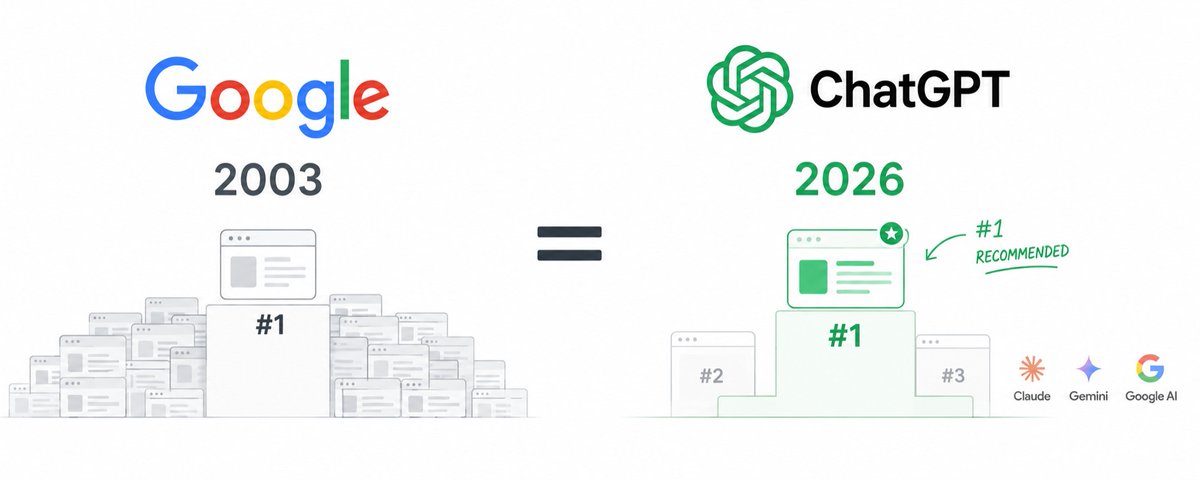
in 2003 you could publish a blog post and rank on Google in a WEEK