i tracked 1,800 apps to find which videos actually go viral. these 7 formats keep winning.

a girl cutting vegetables on tiktok generated more reach for an app than most startups get in a year of paid campaigns.
and she wasn’t even talking about the app.
last month i broke down how we scaled a UGC program to 2.5 billion views. that article covered the system. this one covers the weapon: the specific video formats driving those numbers right now.
i went through our own data (35+ apps scaled, 500+ creators, $6M+ in client MRR driven, +$3B+ VIEWS ) and cross-referenced it with public case studies and app growth data from over 1,800 consumer apps.
what came out was a pattern i’m calling “the one-creator effect” and 6 other formats that keep showing up in every viral campaign we analyze.

1. the one-creator effect
this is the single most important pattern in UGC right now and nobody is building their strategy around it.
- opentoon. manga translator app. launched 3 months ago. 60K downloads. top 100 in books across 100+ countries.
> how many creators did it take? one. ONE
@nicothefujo posted a video of a funny-looking cat inside a korean webtoon while the app translated the pages in the background. 3.5M views. 68K bookmarks. she wasn’t doing a product demo. she was being funny. the app was just… there.

now here’s why i’m calling this a pattern and not a fluke.
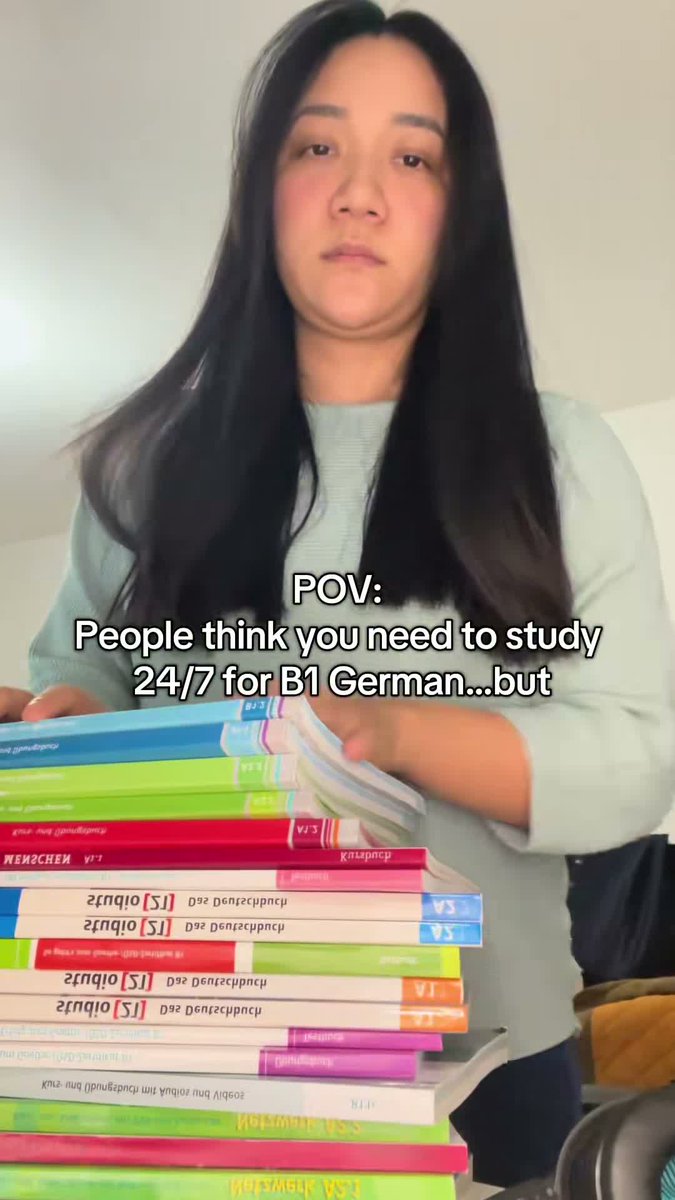
- viobean. german learning platform. 6 accounts. 26M total views. one creator carried it: @darling.germany. she invented a format called the “book drop” where she drops a pile of textbooks and reveals the app as the simpler alternative. 9M views on tiktok. 7.5M on instagram. she just kept repeating it with different exam levels and study myths. same format, different angle, every single time.
- teleparty. the netflix watch-together app. one instagram post hit 16.8M views. they used that momentum to launch a 20-account creator wave, and @layla.yaps became the star. she built a series around “LDR date ideas” that naturally featured teleparty. 1.1M on tiktok. 1.3M on instagram. repeatable series, not one-off posts.
the math is brutal: in a campaign with 20 creators, 1-2 will generate 80% of the views. the other 18 are the cost of finding those 2. it's literally paretto
but here’s the part most people miss. the standout creator doesn’t just “go viral.” they create a repeatable format.
if you’re running UGC and you haven’t identified your one-creator yet, that’s the bottleneck.
2. POV storytime (the 48M view format)
back to the girl cutting vegetables.
- cheater busters (i personally love this one). 48M views. 6% engagement. the format: dramatic text overlay (“pov: your soon to be ex husband is mad because you won’t let his girlfriend move in”), creator doing something mundane, telling a story that escalates until the app becomes the turning point.
the app doesn’t enter at the beginning. not the middle. the climax. that’s the difference between a product demo and a story.

we’ve seen this play out across our own campaigns.
storytime works because people stay for the story. the app is the payoff, not the pitch. but it only works if the story is actually good. a boring story with an app plug is just an ad.
3. the volume play vs the one-creator play
jobstep went from $0 to $2M ARR in 8 months running the opposite strategy from opentoon.
70 tiktok accounts. up from 16 three months earlier. roughly 9,000 videos published. 100M+ total views. localized creators in spanish, french, german. each one shoots the same 3-4 formats adapted to their language.
a spanish creator hit 1M views. a french creator hit 1.1M views with 24K saves. a german creator hit 1M views with 35K bookmarks.
the math behind this approach: 9,000 videos. maybe 50 go viral. those 50 drive 80% of the revenue. the other 8,950 are the cost of finding those 50. i call this the “50 out of 9,000 rule.”
so which one is right? the one-creator effect or the volume play?
both. but they’re for different stages.
- early stage (pre-PMF, small budget): find your one-creator. pour everything into testing formats with 3-5 people until one clicks. opentoon did it with one. viobean did it with one.
- growth stage (post-PMF, scaling revenue): go volume. jobstep didn’t start with 70 accounts. they started with 16. they found their winning formats first, then scaled the accounts.
the mistake is doing volume before you have a winning format. that’s how you burn through 9,000 videos with nothing to show for it.

4. faceless formats that cross borders
this one caught me off guard.
- slowread. book tracker app. about a month old. top 100 in books across 50+ countries. zero creators. zero faces. 4 accounts. all faceless.
the entire content strategy: scan a book spine with the app, show the digital library it builds. same hook every time. “i could kiss the person who showed me this.” published in english and spanish.


it works because the product IS the content. the demo is inherently satisfying to watch. scanning a physical book and seeing it appear digitally is a visual payoff that doesn’t need a personality to carry it.
and here’s the scaling advantage: no face means no language barrier. the same video works in any market. slowread went from zero to 50 countries with 4 accounts. imagine doing that with face-to-camera content. you’d need 20 creators in 10 languages.
from our experience, faceless formats work best when the app has a strong visual transformation. input becomes output. book spine becomes digital library. photo becomes AI image. text becomes design. if your app transforms something visible, try faceless before hiring creators. you might not need them.
5. the format that gets 30M views but zero downloads
let me save you from a mistake i’ve seen 3 times this month.
“a win is a win” sound. 36K+ videos. 30M+ total views. top video at 13.2M views after just 4 days.
sounds amazing. but here’s what happens: the sound is the hook, not the app. viewers watch because the trend is entertaining. they don’t watch because they’re interested in the product. the app is wallpaper.
same thing happened with the “pretend i’m busy” trend (10.6M views on the top video) and the “-maxxing” format (thinkmaxxing at 6.9M views).
trending sounds are a trap for apps that don’t have a natural connection to the trend. if the sound fits your product (a study app using “pretend i’m busy” to contrast fake studying vs real studying), do it. jump on it immediately. you have about 7 days before the window closes.
but if you’re forcing it, if the connection between the sound and your app requires an explanation, skip it. the views will feel good on the dashboard and do nothing for downloads.
i’ve seen apps celebrate 30M view videos that drove fewer installs than a 300K view storytime video. vanity views are the most expensive thing in UGC because they cost you the time you could have spent on formats that actually convert.

6. the “tip #7” format
two smaller formats that consistently punch above their weight.
- gizmo made a 15-second video: “10 study tips to keep a 4.0 GPA.” fast-talking, one tip per second. the app is tip #7. not tip #1. not the whole video. just one item in a list of genuinely useful advice. first video: 218K views. they posted the same hook again: 121K views. quizlet’s creator @wendylikestostudy used the same approach across multiple videos and crossed 100M total views.
the trick is that 9 out of 10 tips are real, useful, non-promotional advice. the app earns its spot by being ONE of ten recommendations. it doesn’t feel like an ad because it isn’t one. if your app isn’t visually exciting (no transformations, no before/after), this is your format. embed the app in useful content and let the content carry the reach.

7. the competitor name-drop
- nutrisync found their first real hit (311K views) when their creator @bella.health listed weight loss tips and casually said “i switched from cal ai to nutrisync.” that one line did more than the rest of the video combined. naming the competitor by name, framing it as a switch, positioning your app as the upgrade. “i used to use X but then i found Y” is one of the most reliable hooks in UGC.
the equals discovery format works similarly: “i love gen z because wdym someone made an app that’s basically spotify and instagram combined.” 18.7M views. the creator describes the app by comparison to something the audience already knows. the comparison does the explaining. booktok used the same approach (30M views), cantina (16M+), photogeniq (16M+).
you don’t need to explain what your app does if you can compare it to something everyone already understands.


what actually matters (from 2.5B tracked views)
every format above shares two things:
- one format, repeated, beats ten formats tried once. nicothefujo’s manga cat. darling.germany’s book drop. gizmo’s study tips list. layla.yaps’s LDR dates. every winner found ONE thing and did it again and again. new creators, new angles, same core format.
- and follower count is irrelevant. the algorithm doesn’t care who you are. it cares whether people watch.
reply FORMAT and i’ll send you the full breakdown with video examples and the data behind each one.
Related articles

how to speedrun your consumer app to $1M+ with organic UGC
i've added $8,500,000+ ARR added to client topline revenue through end-to-end organic UGC marketing.

How I promote my app with trial reels (Instagram)
In this article, you’ll learn how to repurpose your videos and make the most of your time.

10 UGC Hooks That Always Work (App Marketing)
your app doesn't need 100 new content ideas.