The ULTIMATE Organic Marketing Guide For App Founders

app founders are massively underestimating how F*CKING INSANE organic distribution has become
this guide is the full system. onboarding, format research, account warm-up, every organic channel broken down with what actually works and what doesn't, the CONTENT formula behind millions of views and the distribution model that's ACTUALLY working in 2026.
if your here reading this, trying to do some shortcut method, it's not gonna work, what your gonna learn from this article is pure values so i advise you guys actually take a look and implement it.
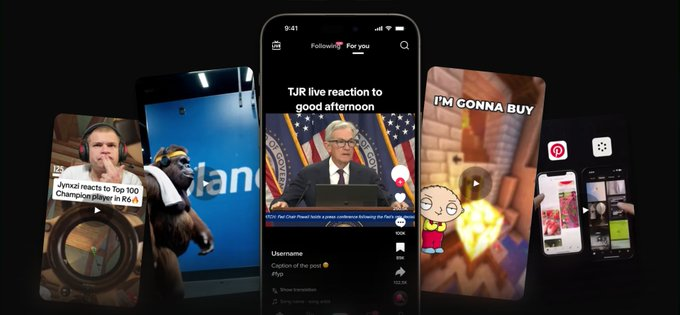
one person can research a niche, find the formats already working, turn them into slideshows + AI UGC, automate most of the production and then hand the winners to hundreds of creators.
a few years ago that needed an actual content team.
now it’s mostly a systems problem
every upload starts from zero , the goal here is to fix that
not with some insanely complicated growth framework either.
I basically want a system that keeps answering the same questions over and over:
-> what are people already watching in this niche?
-> what formats keep showing up across multiple accounts?
-> what hooks are getting the right people to stop?
-> what sends actual installs instead of useless views?
->what should get another 20 variations?
-> what have we tested enough times to kill?
once we find something that works, how do we get way more of it out there without building a giant content team?
that is basically organic marketing to me.
not “posting consistently.”
fix the app before you send traffic at it
sometimes it's usually a PRODUCT problem and it's the one thing most founders figure out too late, after thunch window closes, after the first VIRAL moment passes with a broken funnele la
a viral TikTok can send a ridiculous amount of people into an app and still barely move revenue. everyone immediately blames the content because that’s the part they can see. sometimes the content did its job perfectly and the app lost everyone 30 seconds later
someone installs, opens the app, gets hit with account creation, answers a bunch of boring questions, sees nothing useful and suddenly gets asked for $39.99
before trying to scale organic, I want to know what happens after the install
how many people actually finish onboarding? how many make it to the paywall? how many start a trial or pay? how many of those people are still around a few days later?
you don’t need some $20k analytics setup to answer the basic version of that
you just need enough visibility to stop blaming TikTok for problems that are happening inside the product
a lot of strong consumer apps get the user invested before the paywall appears
a nutrition app might ask their goal, weight, activity and food preferences, calculate something around them and show enough of the result that the person actually wants the rest
an appearance app can ask what they want to improve, process a photo and reveal part of the analysis before locking the full thing
a relationship app can collect context about the relationship first, then make the result feel like it was actually built around that person
by the time the price shows up, they’ve already given the app some attention, information or effort. that matters way more than just throwing a paywall in front of someone 8 seconds after install
if installs spike and revenue barely moves, look at the app before you decide the traffic was bad
so before any of the things in this article matters, your onboarding has to convert. not perfectly, but well enough that when TRAFFIC hits, a real percentage of it turns into revenue
research before you make shit
this is probably the most boring part and also the part I’d spend the most time on
before Claude, before Seedance, before buying 10 phones, before making some “viral content strategy” doc open TikTok and actually look around and do the following :
-> search direct competitors first.
-> search the problem your app solves.
-> search the result people want.
-> move sideways into the stuff the same audience already watches.
say you have a calorie tracking app.
I’m not only searching “calorie tracker app.”
> I’m going into calorie deficit, fat loss, high protein meals, gym meals, restaurant calories, what I eat in a day, meal prep, macro tracking, cutting, bulking, low calorie snacks and whatever else starts showing up around the same audience.
I want to get deep enough that formats start repeating.
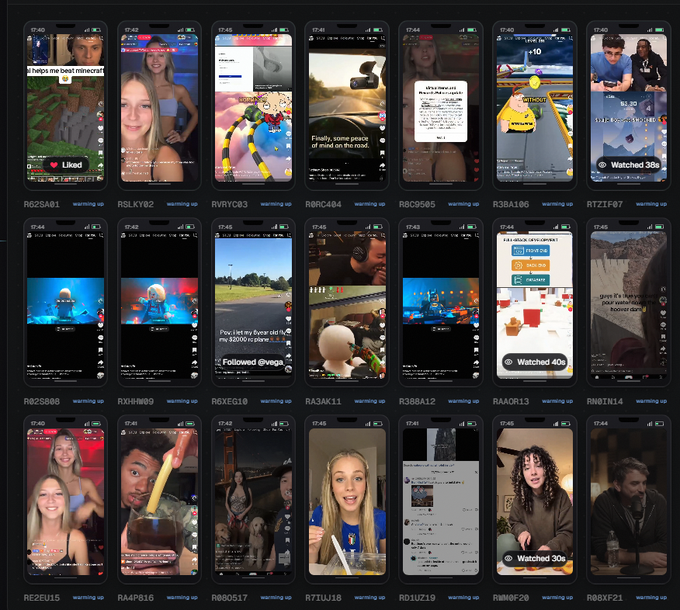
the same basic format showing up on 6 different accounts and doing 200k, 600k, 1.4M, 900k, 3M etc is way more interesting because there’s probably something underneath the post that can actually be repeated.
while doing this, save way more than just the link.
I want the first frame, the hook, the rough length, when the app appears, what happens visually while the person is talking, the CTA, comments, audio, view count and what the rest of that account normally gets.
also save the ugly shit , especially the ugly shit tbh.
people constantly ignore a slideshow because the typography looks awful or the first image feels random while that same post is at 2M views.
I don’t care whether I personally think it looks good
I want to know why people kept watching
if it has 2M views theres a reason behind it something that triggered something in people brain , i want to study the psychology behind why people stopped and watched that specific post
the main organic formats :
there are a lot of ways to push a consumer app organically now, but I wouldn’t touch all of them at once.
I’d pick 1-2 formats that actually make sense for the app, get enough posts out to see what the audience responds to, then expand from there
slideshows might be perfect for one app and completely useless for another. some products need a face on screen. some are way easier to explain through screen recordings. some are better suited for weird AI characters or creator-led UGC
once you know what works, adding formats is easy
Tiktok slideshows
slideshows are still one of the easiest ways to test organic because the cost of being wrong is basically nothing

this is the easiest and the cheapest style to scale
a UGC video might mean finding the creator, writing a brief, waiting for footage, asking for changes, editing it . with a slideshow you can test the same angle with 4-6 images and a bit of copy, see what happens, and move on fast if it dies.
that speed matters because early on you’re not really trying to make the perfect post. you’re trying to figure out what people in the niche actually care about.
say you have a sleep app.
you could make slide 1:
> best AI sleep tracker for 2026
but that already feels like an ad.
something like:
> i thought waking up tired after sleeping 9 hours was normal
gives you way more to work with. now there’s a problem, there’s some curiosity, and the app can come in later once the viewer actually gives a shit.
you spend the next couple slides showing what the person noticed, maybe how bad their sleep actually was, then bring the app in when it naturally fits.
> started tracking it and apparently i was waking up all night without remembering it
show the interface, maybe one useful result, the app doesn’t need to dominate the whole post.
that’s usually where ppl f*ck it up they try to fit every feature into one slideshow because they’re thinking like the founder instead of the person watching
if your nutrition app scans food, counts calories, tracks protein, makes meals and tracks weight, that’s not one post. that’s a bunch of different angles.
- restaurant meals ruining a deficit is one.
- not hitting protein goals is another.
- thinking you’re eating healthy and still not losing weight is another.
- manual logging being annoying is another.
thats how you come up with multiple angles
AI slideshows
once you know what kind of slideshow actually works, AI makes the production side way easier.
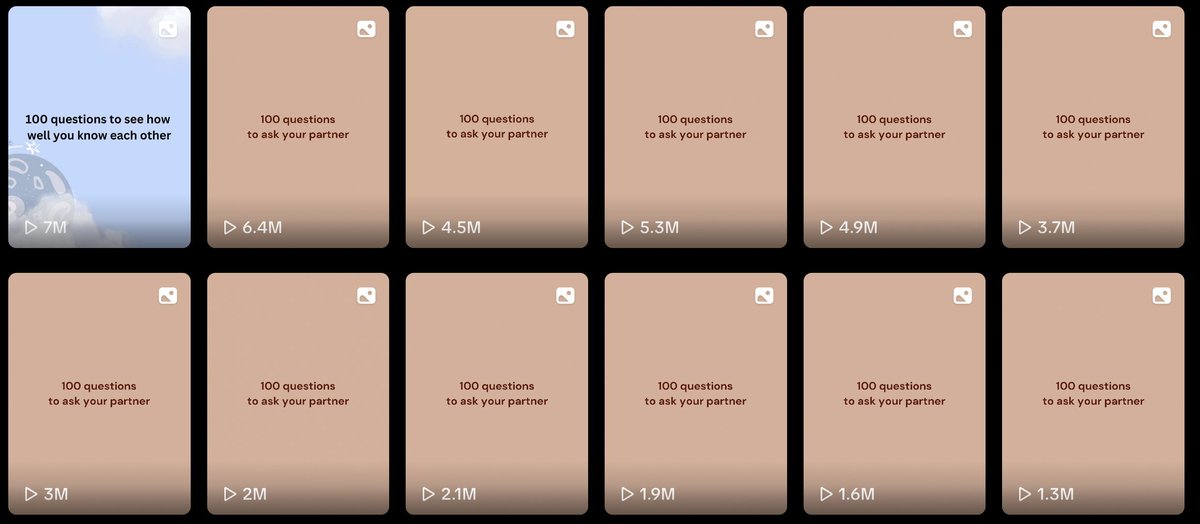
multiple apps are making >$100k MRR just by using slideshows as their main content marketing system
the workflow is really easy :
-> research your competitors
-> make a pintrest photo bank
-> feed the images to an LLM
-> post the generated slideshow

if you want a full detailed guide of this ive made a free 15 page playbook exatly on how to scale apps using AI slideshows you can get it for free here :
if slideshows make sense for your niche, I’d start there.
clipping
clipping makes the most sense when you already have good source material sitting there.
podcast, founder interview, livestream, customer story, long YouTube video, whatever.
I wouldn’t just chop a 60 minute video into random 30 second chunks and call that a strategy.
I’d go through the source looking for moments that can actually stand on their own:
-> a weird claim
-> a specific number
-> an argument,
-> a hot take,
something that makes sense even if the person watching has zero context on the original video.
once you find that moment, build the clip around it. tighten the opening if you need to, add captions, clean the pacing up, crop it properly
the reason I like clipping is the amount of mileage you can get out of one piece of content. one decent conversation can easily have 20-30 different clips hidden inside it.
and it gets way more interesting when you have multiple creators clipping the same source.
variation is basically the whole advantage.
you’re not asking 50 people to make 50 completely new ideas from scratch. you’re giving them the same source and letting 50 different brains find 50 different angles inside it.
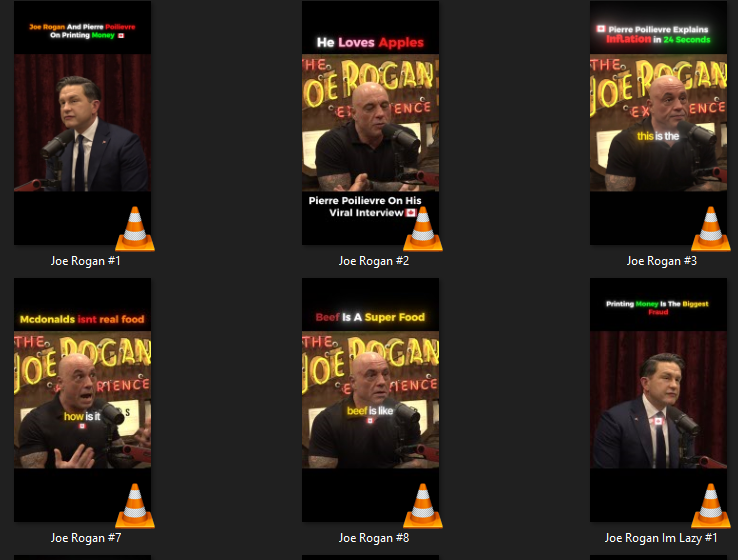
if you already make long-form content or the founder is part of the brand, I’d test clipping way earlier than most people do.
face UGC
real UGC still works insanely well, and for a lot of apps it’s probably still the easiest way to make the product feel normal inside the feed.
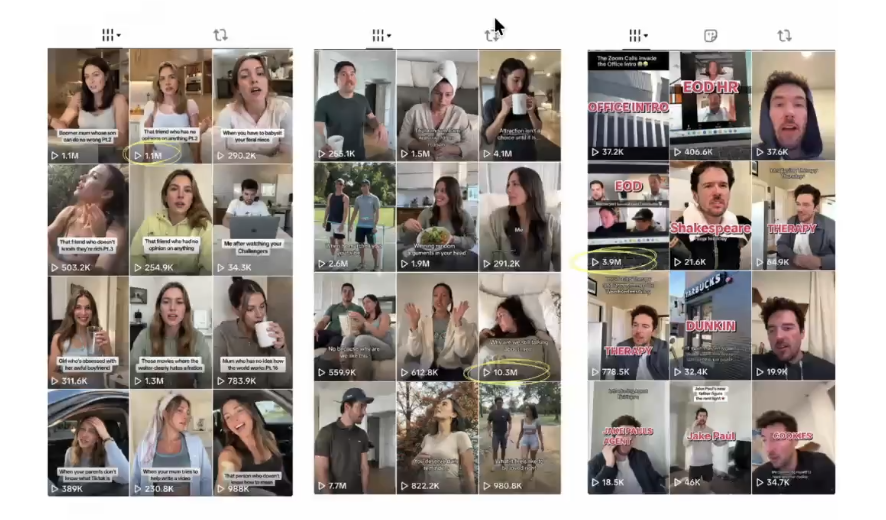
- someone talking in their car,
- cooking, sitting on the couch
- showing their phone telling a story
whatever fits the niche. the format usually isn’t complicated because the whole advantage is the person itself. real face, real voice, actual environment, little pauses, weird expressions, stuff that doesn’t feel perfectly manufactured
brands usually ruin that by over-writing the brief.
if the creator opens with:
> “hey guys, today I’m super excited to show you this incredible app that completely changed my life…”
the video is basically dead before the product even appears
I’d give them the angle, the problem, a couple references, where the app CTA should roughly come in and anything that absolutely needs to be mentioned. after that, let them talk like themselves
one of the creator campaigns I looked at had this exact issue. the early submissions felt stiff because creators were basically reading supplied copy, so the brief got loosened up and focused more on the format + angle instead of exact wording. the content got way more natural after that.
I’d also get way more content out of every shoot.
same creator, same setting, same main body of the video, but record 4-5 different openings.
now one shoot gives you multiple hooks to test instead of one finished video you’re praying works.
that’s way more useful.
AI UGC
this is probably the format that has changed the most recently. you can make the same talking-head UGC people have been paying creators for, except the person on screen doesn’t actually exist.
- someone sitting on a sofa showing your product
- a girl in her car casually talking about your app
- someone eating while explaining how they found it.
normal UGC formats, just generated from a reference image + script.
the workflow is pretty simple:
-> write the script with ChatGPT / Claude
-> make a realistic character in GPT-6 Astra, Nano Banana or whatever image model you prefer
-> animate it with Fable 5, Higgsfield or another video model
-> add a custom voice with ElevenLabs if needed
-> clean it up in CapCut and post
and once you get one format looking good, this is where AI becomes really useful.
say a calorie app video is doing numbers with a girl in her kitchen opening with “apparently I’ve been eating way more calories than I thought.” don’t copy the exact video. take the setup that worked and remake it around your product.
then make variations off it. change the hook, creator, setting, pain point, product reveal or language while keeping the parts that are already working.

one good UGC format can turn into 20-50 tests pretty quickly, and most of this workflow can eventually be automated with agents once you know what you actually want them producing.

I also made a free Claude/GPT skill specifically for the variation part. give it one UGC ad or format and it’ll help turn it into different hooks, scripts and versions without starting from zero every time:
AI characters
this is one of the more underused formats for apps rn and I think people are going to spam the shit out of it once they catch on.
- hyper-realistic cartoon characters
- uncanny animals
- mascots
weird recurring characters that look just real enough to stop you for a second but obviously aren’t supposed to be some random real creator.
you’ve probably already seen accounts like this doing numbers
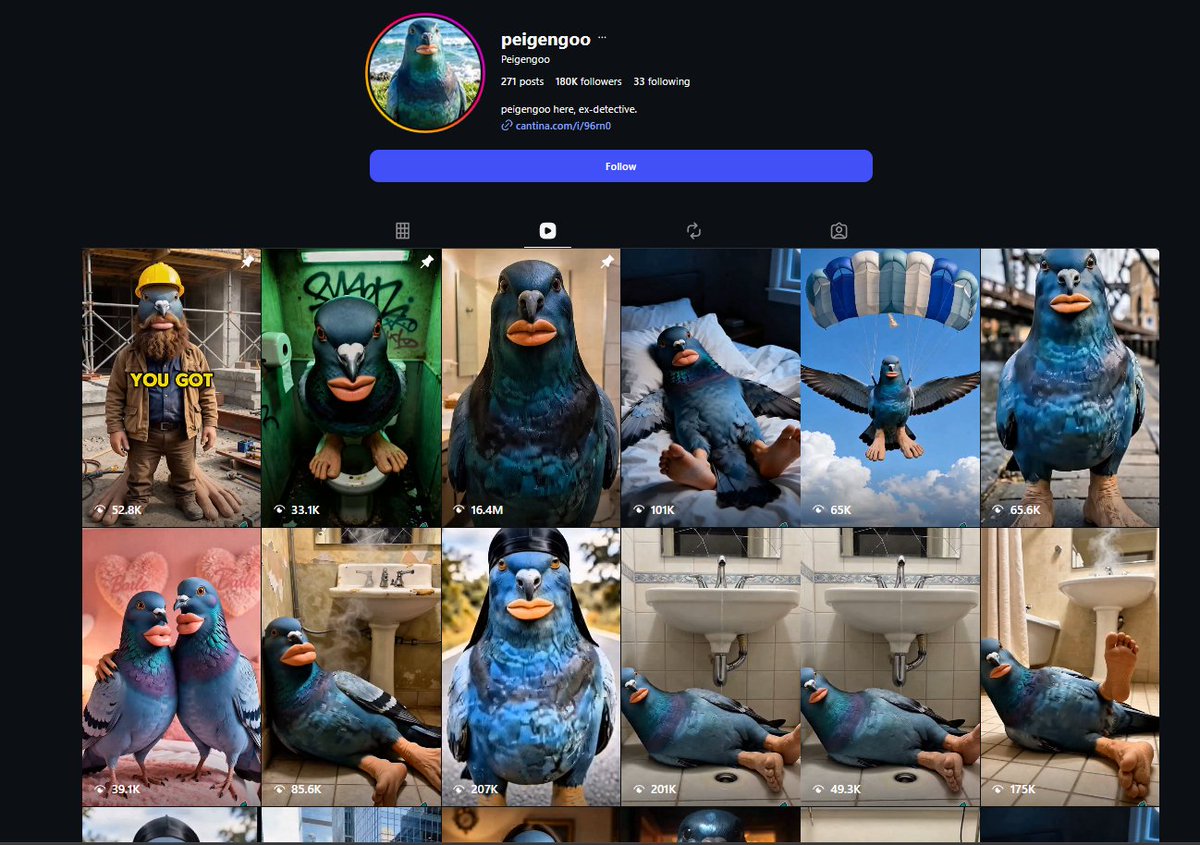
the first frame works because it looks strange. people want to know what the fuck they’re looking at.
the mistake would be generating a completely different character every post.
I’d build one character and keep bringing it back. same general face, same style, same personality, maybe even the same few locations. after enough posts people start recognizing it before they even read the caption.
then you just keep putting that character into new situations.
> budgeting app? > > make them constantly make horrible financial decisions.
> fitness app? > > endless stupid gym problems.
> relationship app? > > put them through increasingly terrible dating situations.
the app can show up inside those stories when it makes sense, but I wouldn’t force it into every upload. some posts can literally just exist to make the character funnier and more recognizable.
that matters because once people actually know the character, the product placements feel way less random.
you’re basically building a tiny content IP around the app instead of generating another disposable AI ad every day.
AI influencer accounts
this one is basically building a fake creator and running the account like they’re real
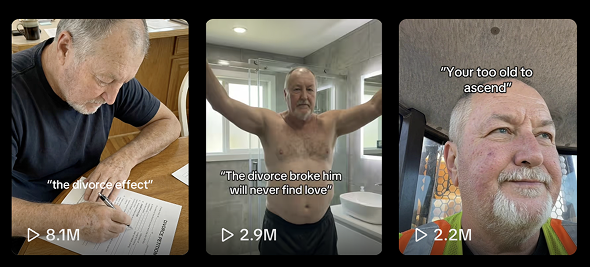
same face, same voice, same personality, same general lifestyle somebody sees that creator a few times over a week and eventually the face starts feeling familiar, even if they couldn’t tell you why
I’d build a proper reference library before trying to scale one of these accounts. different angles, expressions, outfits, locations, lighting setups, hairstyles, makeup, camera quality, voice. keep enough references that the model has something consistent to work from, otherwise your influencer turns into a slightly different cousin every third upload.
the content can’t just be product posts either.
give the person actual shit to talk about. stories, opinions, routines, random lifestyle posts, stuff happening in their “life.” some videos can barely mention the app, some can naturally bring it into the story, and some can be much more direct product pieces.

that mix is what makes the account feel like an account.
if every upload is basically “here’s another reason to download this app,” people figure out what’s going on pretty fast.
the goal is to make the character recognizable enough that people would still watch even when the product isn’t the entire point. once you have that, you’re not generating random AI ads anymore. you’ve got a creator you can keep building around.
hybrid AI UGC
this is probably one of the easiest ways to get the best parts of AI without making the product itself look fake.
AI creator for attention and a real product for proof.
say the AI person opens with:
> I checked how much I spent on subscriptions last year and genuinely wanted to die
then cut straight into the real budgeting app.
now the generated creator gets you the format/face/angle you wanted, but the CTA and the product showcase is real
how I set up a phone when I’m targeting a US audience
I keep this pretty simple.

- grab a cheap used iPhone 11, factory reset it and set the region to United States.
- no SIM. skip Apple ID at first and turn off location, Bluetooth, tracking, Siri + Screen Time.
- connect a residential US proxy in one city and keep it consistent. New York/Miami are common picks. IPRoyal is one option.
- run the proxy through Shadowrocket on iPhone and make sure it’s connected before installing TikTok or creating anything.
- make a fresh email in Safari, create the Apple ID from the phone, then set:
Language & Region → United States
Date & Time → manual → same US city/region
- install TikTok and start signup with the fresh email.
one quick check I use is tapping the phone-number option first. if TikTok defaults to +1, the setup is at least reading the signup flow as US at that point.
then switch back to email and finish the account.
I also don’t create the account and immediately dump content on it.
give it around 4 days.
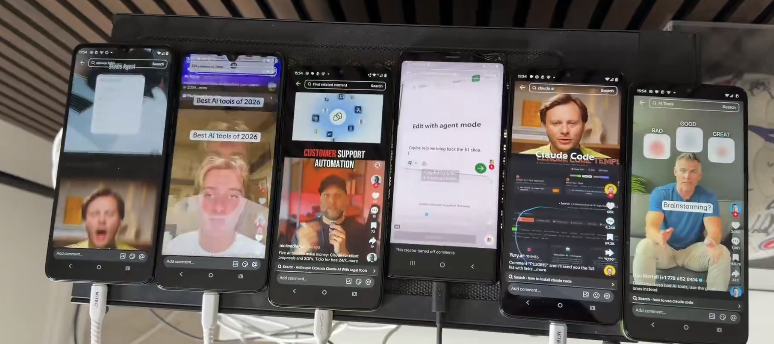
use TikTok normally, search the niche, watch stuff, save posts, follow relevant creators and let the feed actually become relevant before posting.
none of this guarantees TikTok gives you a US audience because distribution obviously uses more than one signal, but I’d rather keep the device/network setup consistent than constantly change countries and then have no idea what caused what.
automate the boring shit
I wouldn’t automate any of this until I already had a few posts/formats that worked.
the automating part is really simple i basically have 4 diffrent agents that work 24/7
- one agent watches selected accounts and flags stuff that’s unusual.
- then another agent breaks those down and decides what’s actually repeatable.
- then the writing agent turns those formats into ideas for the app.
- then production generates the assets.
- then i recheck the shit before it gets posted.
scaling distribution
once you have proven VIRAL formats, the bottleneck becomes distribution. not everyone wants to spend months figuring out the whole content machine themselves.
performance-based creator distribution solves that bottleneck.

there are already hundreds of creators running 10, 20, 50 accounts each who do this every day and know what kind of formats actually move.
the best thing is they are working performance based.
so instead of paying someone upfront and hoping the post does well, you can just plug your product into the system and pay based on the views they actually generate.
Affiliate Network does exactly this. creators make and post the content, you pay per 1,000 views, and you only spend when the distribution actually happens.
if your app is already at that stage and you basically want more creators posting around the formats you know work, Affiliate Network is one way to run it without manually recruiting and paying everyone yourself:
affiliatenetwork.com
what I’d actually build if I was starting from zero
I’d get the app converting well enough that traffic isn’t being wasted.
then spend time studying the niche until I can recognize the formats that keep converting
pick one cheap format first, probably slideshows for a lot of consumer apps, and just start posting
once something works, make more versions before moving on.
then add UGC or AI UGC around the same angles.
save the formats that repeatedly work as reusable Skills.
let agents handle the boring research and production parts once the process stops changing every 5 minutes.
and when distribuition becomes my main bottleneck
thats when i launch large scale creator campaigns
if you're an app/brand and you want to run a CAMPAIGN at scale, DM me. we'll look at your existing formats, build out the infrastructure, and help you launch something that works on
Related articles

4 Steps To Writing Viral Hooks
The fastest way is to identify direct competitors and reuse their hooks as a base.
I studied 60 apps that generated 10B+ views. 7 patterns separate the winners from the ones that die.
Over the last 18 months I've analyzed every consumer app growth case study I could find. 60 apps and 10 billion+ combined views. Revenue ranging from $0 to $4M ARR.
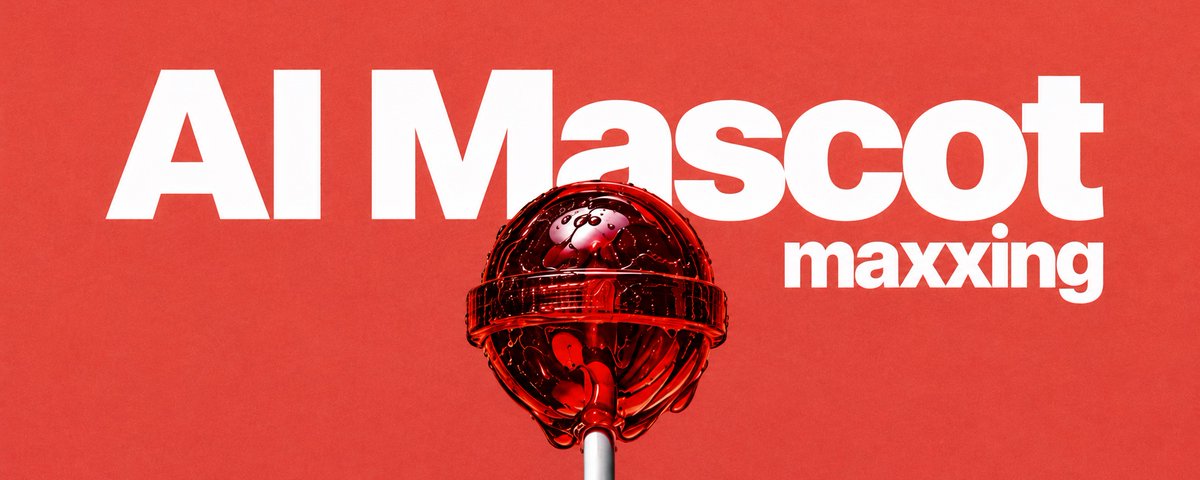
How to turn a boring app into $10M with one mascot
duolingo’s tiktok account went from 50,000 to 10.7 million followers because of one cartoon owl.