Why AI UGC STILL Beats Hiring Real Creators in 2026
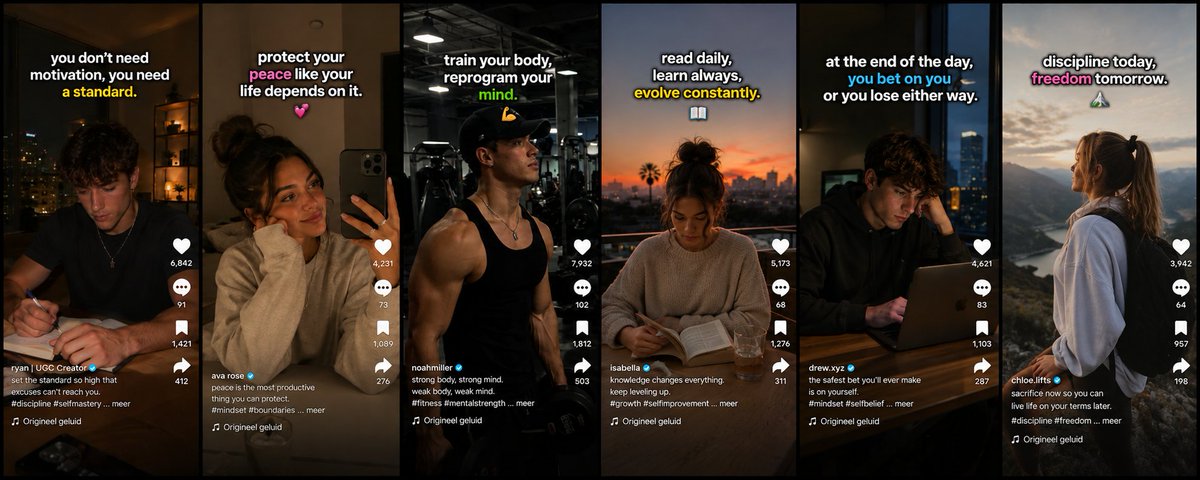
the argument against AI creators was always that they looked fake, and 2 years ago that was fair.
(it wasn't)
the generation models improved, the realism techniques matured, and a properly produced AI creator now passes as a real person to an audience that isn't hunting for tells.
the quality question moved from "can this look real" to "did you run the process," which is a completely different conversation.
so the comparison below assumes competent production on the AI side, the realism stack, the reference consistency, the variant selection, because that's what's actually available now.
The Cost Sits in a Different Category
a real creator charges per video, and that rate covers their time, their equipment, their editing, and their margin.
a handful of videos a month from a decent creator is a real line item, and a volume operation with several creators is a payroll.
What Generation Costs
AI UGC prices per second of output.
LTX 2.3 runs at $0.01 per second for the wide testing.
Kling 3.0 at $0.10 per second takes the concepts showing signal.
etc.
a week of wide testing plus premium finishes on the winners runs tens of dollars, not thousands, and that's the whole production budget.
The Reshoot Cost Is the Real Gap
the bigger difference is what happens when something needs changing.
a creator reshoot means rebooking, reshooting, and re-editing, so the second version costs nearly what the first did.
a regeneration means adjusting a clause and running it again, so the second version costs cents.
that difference is what makes iteration affordable, and iteration is where good content actually comes from.
Speed Changes What You Can Do
the timeline gap is bigger than the cost gap, and it changes the strategy entirely.
The Creator Timeline
brief the creator, wait for availability, wait for the shoot, wait for delivery, review, request changes, wait again.
days at minimum, often weeks, and every revision restarts part of the cycle.
The Generation Timeline
concept to deployed piece inside the same day.
a trend appears in the morning and your content is live that afternoon, which is a capability the creator model structurally cannot offer.
Why This Compounds
speed isn't just convenience, it's how many learning cycles you get.
an operation running daily cycles learns faster than one running weekly cycles, and the accumulated learning is what separates the accounts that figure out their niche from the ones still guessing 6 months in.
Volume Is a Different Order of Magnitude
1 creator can shoot a certain number of videos a day, and that ceiling is a human limit that money only moves so far.
generation runs in parallel batches, so 100 pieces render in roughly the time 1 does.
a single person running a batched pipeline produces more in a day than a small team of creators produces in a week.
and the volume isn't just more content, it's more shots on goal, which is what finding winners actually requires.
Control Is the Underrated One
this is the argument people skip, and it might be the strongest.
You Get Exactly What You Specified
the script says what you wrote, every time, with no off-brand improvisation and no phrasing that creates a compliance problem.
the look matches the reference, the tone matches the persona, and the framing matches the format.
with a real creator, you get their interpretation of your brief, which is sometimes better than what you asked for and sometimes not what you needed.
Revisions Are Instant and Free
a line that isn't landing gets rewritten and regenerated in minutes.
with a creator that's a conversation, a rebooking, and a delay, so most people just live with the version they got.
living with the version you got is how content quality quietly plateaus.
No Availability Risk
a generated creator doesn't get sick, go on holiday, get busy, raise their rates, or stop replying.
it also doesn't build a public profile that can create problems for the brands it represents, which is a real risk people underweight until it happens.
Consistency Compounds Over Time
the same face appearing across hundreds of pieces builds recognition, and recognition builds trust.
with a real creator, that consistency depends on the relationship continuing, the rates staying reasonable, and their availability holding.
with a generated creator, the consistency is permanent by construction.
The Roster Advantage
you can also run several creators without several negotiations.
a roster of 5 to 10 built once covers different audience slices, different tones, and different niches, and each one is a file rather than a contract.
adding a creator to a roster costs an afternoon, and adding one to a real production means finding, vetting, and booking a new person.
Testing Wide Is Only Affordable One Way
this is where the whole argument lands.
winning content comes from testing many concepts and letting the audience pick, since nobody can reliably predict which piece hits.
that method needs volume at the cheap end, dozens of tests that mostly won't work, because the losers are what buy you the winner.
The Creator Model Fights That
at a real per-video cost, testing 50 concepts is financially impossible, so people test 3 and hope.
testing 3 concepts means finding fewer winners, which means the content that does work was mostly luck.
Generation Enables It
at a cent a second, testing 50 concepts a week is a rounding error.
so the AI operation runs the method that actually finds winners, and the creator operation is priced out of it, which is a structural advantage no amount of creator talent closes.
What You Own at the End
money spent on creator fees buys you the videos and nothing else, so the capability walks out the door with the person.
money spent building a generation pipeline buys you an asset, the creator references, the persona docs, the prompt library, the workflow.
that asset produces content indefinitely, gets better as you refine it, and keeps working when a model upgrade lands.
so the creator model is renting production capacity, and the generation model is building it, which is a different financial shape even before the per-piece costs are compared.
The Objections Worth Answering
"audiences will reject AI content once they know."
audiences reject content that feels dishonest or low quality, and well-made content that helps someone gets engaged with regardless of how it was produced.
the categories where disclosure genuinely matters are the authority ones listed above, and those are exactly where real creators should be running anyway.
"the platforms will crack down on it."
platforms police behavior, spam, coordinated inauthenticity, misleading claims, rather than production method.
an account posting useful content on a properly warmed portfolio behaves like any healthy account, and that's what the systems are actually reading.
"real creators have something you can't fake."
genuine expertise and real product experience, which is true, and it's the honest limit of the argument.
everything outside those cases, the volume, the testing, the everyday content, is where generation already won.
Related articles

How to CONSISTENTLY Get High Views on TikTok With AI UGC
*"realistic skin texture, visible pores, natural slight unevenness, no filter quality"*

What Watching Fomo’s Rise Taught Me About Vector
*Reflections on product-market fit, finding a bigger market, and the future of social trading.*
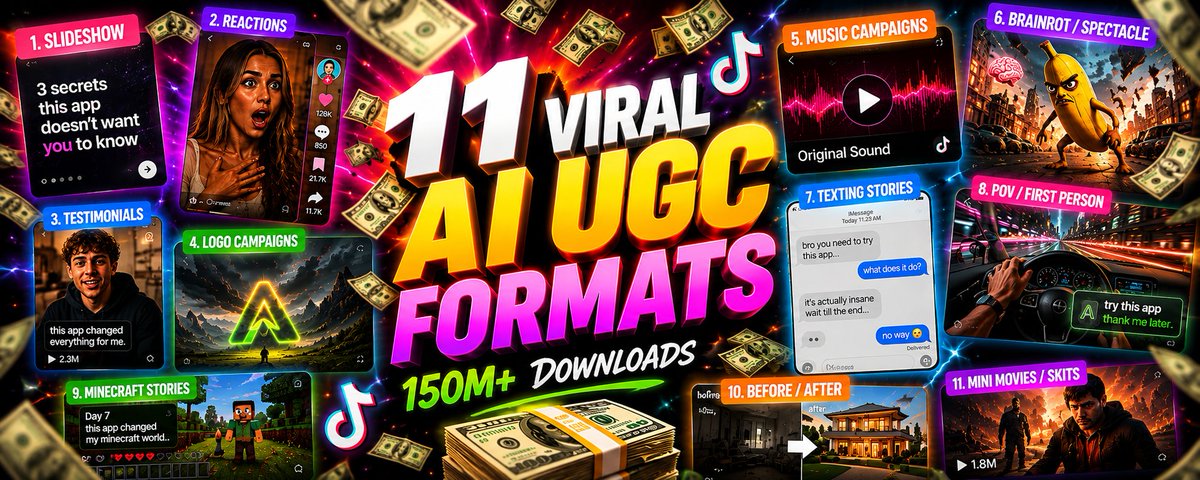
11 VIRAL AI UGC formats we abused to engineer 150M+ app downloads
9 out of 10 people think AI UGC is 1 thing: a fake person talking to a camera about a product.