3 native ad angles we’re using to scale on Demand Gen (work across verticals)

this year, we've tested a ton of different placements, creative formats, and landing pages on demand gen.
and there’s been a lot of new winning formats that can help brands scale
one that's been working particularly well is image ads.
i go through hundreds of campaigns every week.
and every time I look, I see more of these working inside our accounts.
a lot of these campaigns are running at scale, spending anywhere from $5k to $20k per day.
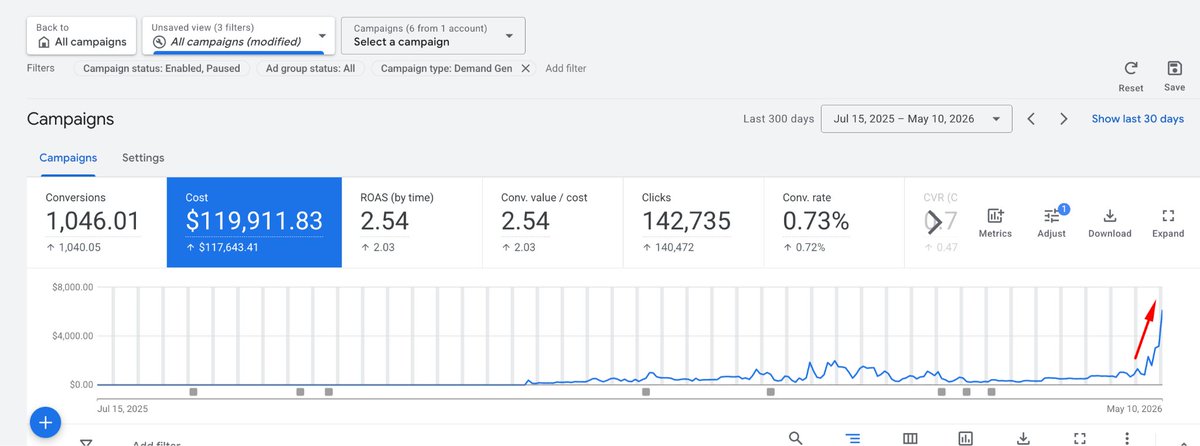
this brand had been struggling to make demand gen work for a long time before working with us
we tested out image ads and scaled them to $6k/day spend in just 2 weeks.
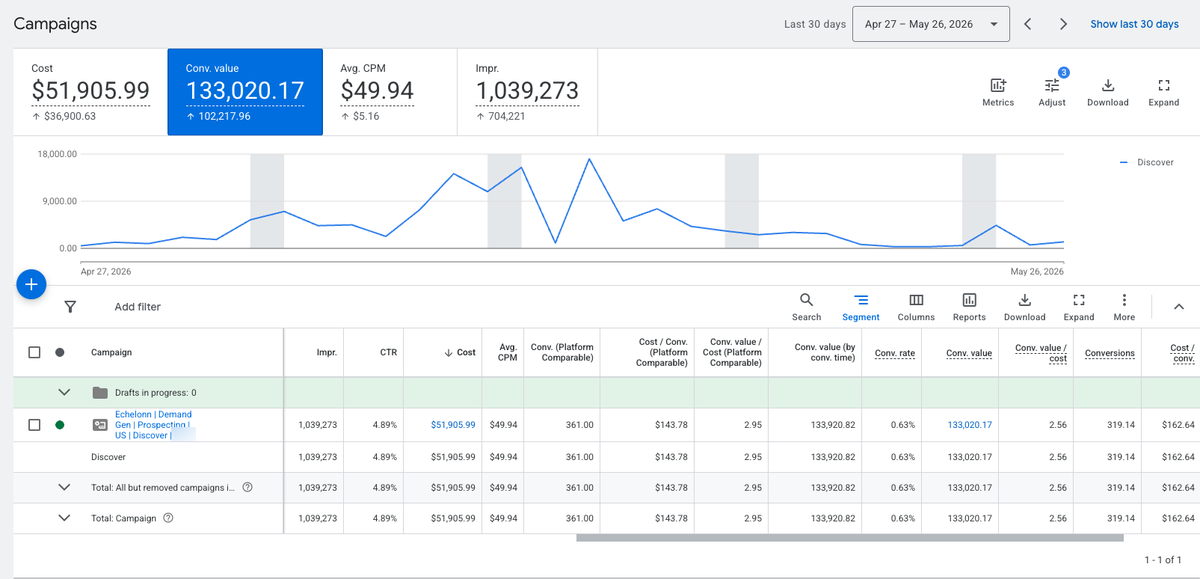
another brand spent $133k in 30 days with zero video ads.
in this article, i'll walk you through our complete image ads playbook.
i'll cover how image ads work, campaign structure, targeting, creative angles, and landing pages.
everything you need to run this profitably in your account.
let's get into it.
i - how image ads work
first, you need to understand how image ads on demand gen work.
you've got 3 core elements: the image, the headline, and the description.
(sometimes just the image on its own)
with demand gen, you're not building individual ads.
you're building a pool of assets that google's algorithm can mix and match.
you provide multiple versions of each element mentioned above.
google then tests different combinations and serves the one most likely to convert.
someone scrolling google discover might see one image with a certain headline.
someone watching youtube might see a different combination from the same campaign.
think of it like handing the algorithm a creative toolkit.
the more high-quality images, headlines, and descriptions you give it, the more chances google has to find winning combinations across different audiences and placements.
so we build multiple assets around a few clear angles and let the algorithm sort out which combinations win.
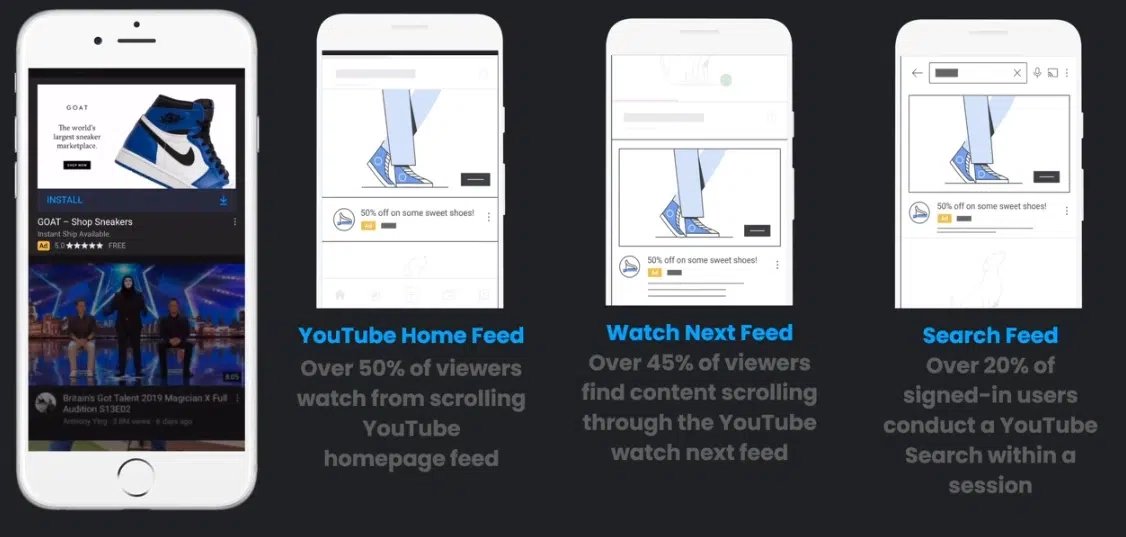
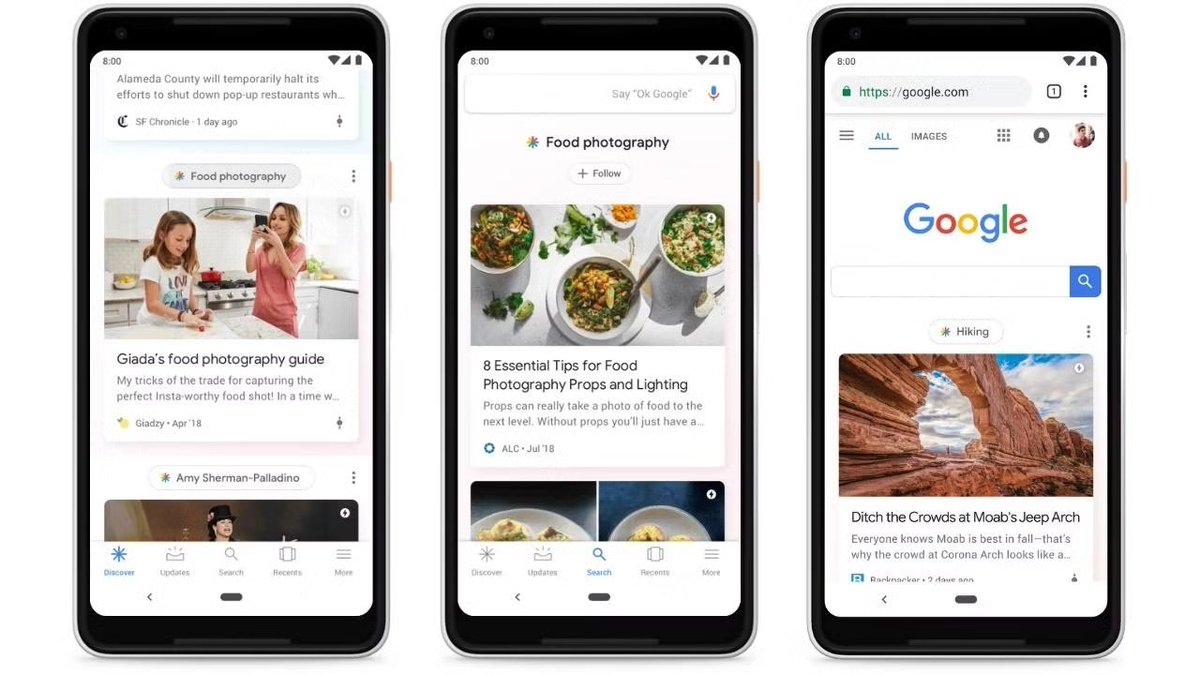
we’ll be running image ads on 2 placements:
> in-feed youtube ads (on the homepage, YouTube search results, & watch next feed)
> google discover (the content feed on the google app & chrome mobile's new tab page)
next, i’ll talk about how to set this up the right way.
ii - campaign structure
this is where a lot of brands mess it up.
we've looked at hundreds of demand gen accounts, and we see the same pattern over and over:
the best results come from MORE campaigns.
specifically, the campaigns need to be split by creative, audience, and landing page.
if you've only got about $100 a day, fine
keep it simple
throw a few creatives into one campaign and let it do its thing.
but when you're closer to $1,500 a day and let’s say your aov is $75
split that into roughly 10 campaigns at around $150 a day each.
when you cram everything into one campaign, two things happen.
-
the system favors 1-2 creatives and ignores the rest. your other ads never get a fair shot.
-
one campaign carries different audiences and your targeting loses precision
you end up with a campaign that "kind of works" but you have no idea why, and no clear way to scale it.
instead, you need a lean, focused campaign structure.
1-2 creatives per campaign.
then for each campaign, set up your audience targeting & landing page to be tightly aligned with the creative.
for example:
campaign 1: bloating relief creative > health-focused audience > soft landing page
campaign 2: weight loss creative > fitness audience > direct offer page
campaign 3: energy creative > busy professionals > quiz
this way
-
each creative has more space to perform
-
google gets a clearer signal about who to show the ad to
-
it’s easier to see the data & double down on what’s working
each campaign has one job. one angle, one audience, one page. (i'll go deeper on landing pages later.)
we also build separate campaigns for different formats (e.g., youtube in-feed vs discover).
iii - targeting
once your structure is set, you need to get the targeting right.
for finding new customers, use broad but relevant targeting:
-
broad demographics (age, gender, location)
-
lookalike audiences built from your best customers
-
custom intent audiences (built from keywords, topic clusters, or competitor terms)
-
interest groups based on search behavior
the key here is to let google's algorithm do the heavy lifting once you give it good signals.
one important note here:
make sure you exclude past purchasers, site visitors, and your email lists from your prospecting campaigns.
if you don't, your "cold" demand gen campaign quietly turns into a remarketing campaign.
(i know some agencies leave this on purpose to make their numbers look better. be careful and check this yourself.)
iv - creative angles & landing pages
here are some of the creative angles (with funnels) we've seen work well.
1. offer-focused angle
when it comes to image ads, offer-focused creatives are the easiest place to start.
the image exists to communicate a deal, and everything in the creative is built around that.
it works best when you're targeting an audience that already knows your product or category and just needs a reason to act now.
2 types of image that are working well:
> single product: one product on a clean background

> multi-panel collection: same concept, but showing multiple products, variations, or colorways in a single image

(there are also banners and carousels)
when it comes to the copy…
for headlines, go with these angles:
-
benefit-driven: "stronger hair starts here"
-
offer-focused: "buy 1, get 1 free, only this weekend"
-
curiosity-driven: "the upgrade your kitchen needs"
then use the description to make the deal more attractive:
-
expand on the main benefit
-
reinforce the offer
-
add social proof
a viewer should understand what the product is, what the offer is, and why they want it within a couple of seconds.
you can send traffic directly to a PDP or collection page
just make sure to put the offer front and center because that’s the main reason people are there.
2. problem-aware/educational angle
this angle is built around a problem your audience is dealing with, or an outcome they're trying to reach.
the ad feels educational, not promotional.
the goal is to make the user feel like they're about to learn something useful

here, the headline's job is to create curiosity around the problem.
a few formats that work well:
> curiosity: "doctors explain the hidden reason why most knee pain treatments don't work"
> problem-solution: "a smarter alternative to expensive skincare treatments"
> contrarian: "the common sleep advice that might be making things worse"
> outcome-focused: "how thousands of seniors are improving their sleep without medication"
with the image, it should amplify the curiosity and work together with the headline.
some ideas to test:
> problem visuals: someone visibly dealing with the problem, relatable everyday situations, emotional frustration
> transformation visuals: problem vs solution, old way vs new way
> clinical/editorial visuals: close-ups of the affected area, scientific-looking imagery, educational-style photography
> curiosity visuals: unusual devices, unexpected behaviors, anything that makes people stop and ask a question
quick note on before/after visuals: these can be tricky.
google restricts them heavily in sensitive categories like health and beauty, and your ads can get suspended or have their reach throttled.
it’s worth testing, but know the risk going in.
next, the description reinforces the promise and gives enough context to earn the click.
a few formats:
> outcome reinforcement: "discover the approach helping people recover faster and feel better day to day."
> credibility: "based on methods trusted by professionals and experts."
> curiosity expansion: "there's a reason more people are moving away from traditional recovery approaches."
> aspirational: "built for people who want to stay active, mobile, and pain-free for longer."
for this angle, you can send traffic to an advertorial, vsl, or a quiz.
all these match the research mindset of the visitor and ease them into the funnel.
3. third-party recommendation/”top x products” angle
this format takes multiple products in your category and ranks them, positioning your ad as a review.
it works because people trust a recommendation more than they trust a single brand telling them it's the best.
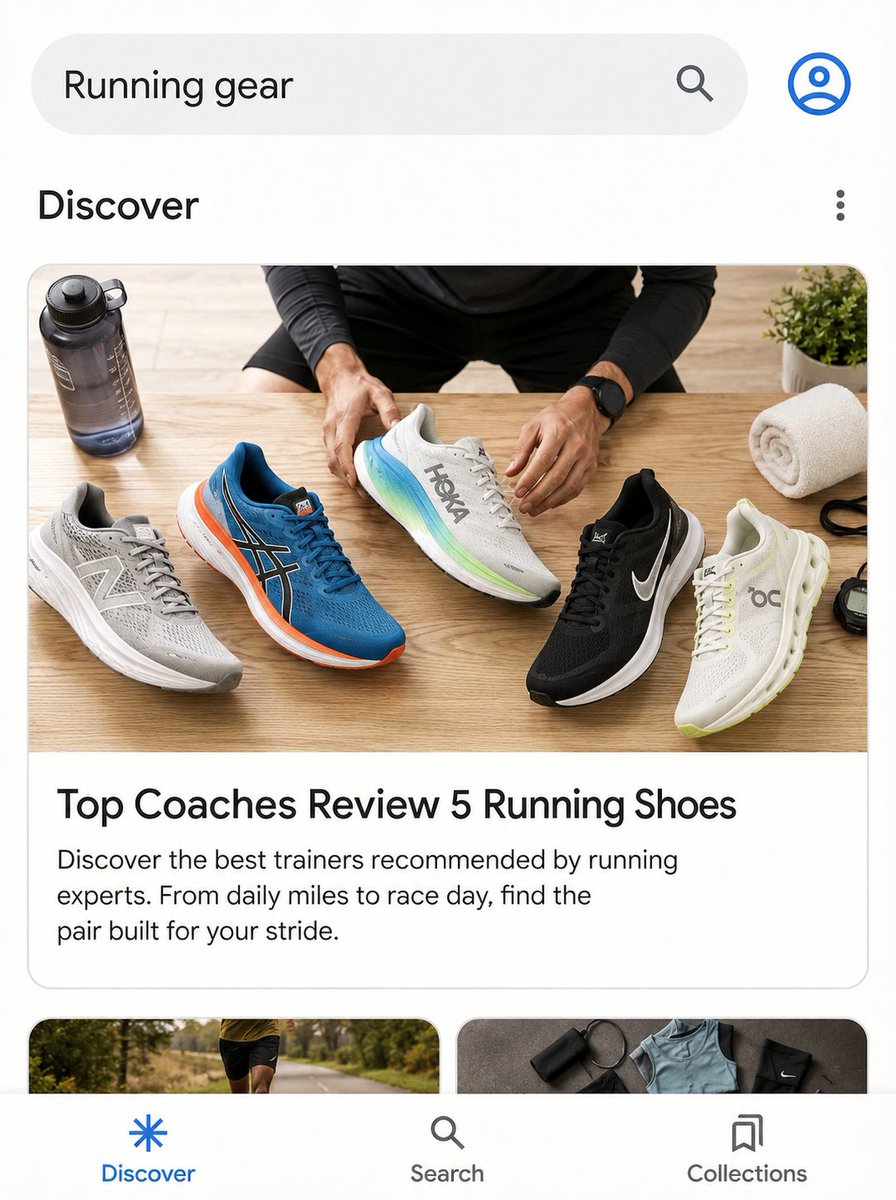
with the headlines, the goal is to make people curious about the ranking, comparison, or review.
formats that work well:
> best-of lists: "the 7 best recovery tools for active adults"
> expert recommendations: "physical therapists are calling these 6 massagers a game-changer for mobility after 40"
> review format: "we tested 10 popular skincare tools. here's what actually works for women above 50."
the image should support the comparison while keeping curiosity high.
> editorial product layouts: multiple products displayed together, clean flat lays, magazine-style photography
> lifestyle comparison images: product being used naturally, research or evaluation cues in the scene, multiple options visible
> side-by-side comparisons: two products shown together, clear visual hierarchy, a subtle hint that one option stands out
the description reinforces credibility and frames the content as a helpful recommendation.
> credibility: "we evaluated effectiveness, ease of use, and overall value across more than 500 options to create this list."
> research-based: "we put the category's most popular products side by side to see which ones are actually worth buying."
> curiosity expansion: "one option consistently outperformed products that cost twice as much."
> authority: "recommendations based on expert opinions and thousands of customer reviews."
for comparison ads, send traffic to a third-party comparison page.
of course, how well some of these perform depends on your economics, category, product type, etc
at the end of the day, you only figure it out by running the tests yourself.
with that being said, any one of these angles has the potential to add 6 figures per month to your account.
i’m always surprised by the number of brands that either ignore demand gen or run it poorly.
treat it with the same attention as your meta campaigns
and you’ll quickly scale to $100k+/mo in spend while competitors are complaining about another meta algorithm update.
i've made this as easy as possible for you to follow.
go implement it.
if you need help setting any of this up, my dms are open.
- Jackson
Related articles
How to Start a 6 Figure Faceless YouTube Channel (Full Breakdown)
I've helped over 400 people start profitable faceless youtube channels. i've ran over 50 channels myself. Generated over $4 MILLION by age 25. Worked with youtubers that have 10 million+ subscribers,…

How to Build a Faceless YouTube Affiliate Business From $0 - $40k in 2026
How to make money on your faceless youtube channel with affiliate before ever getting monetized

how we hit $55k in 60 days with youtube (step by step)
before any of this, Chris was making $2k a month from YouTube.