Fix your Gut to improve Mood and Cognitive Function.
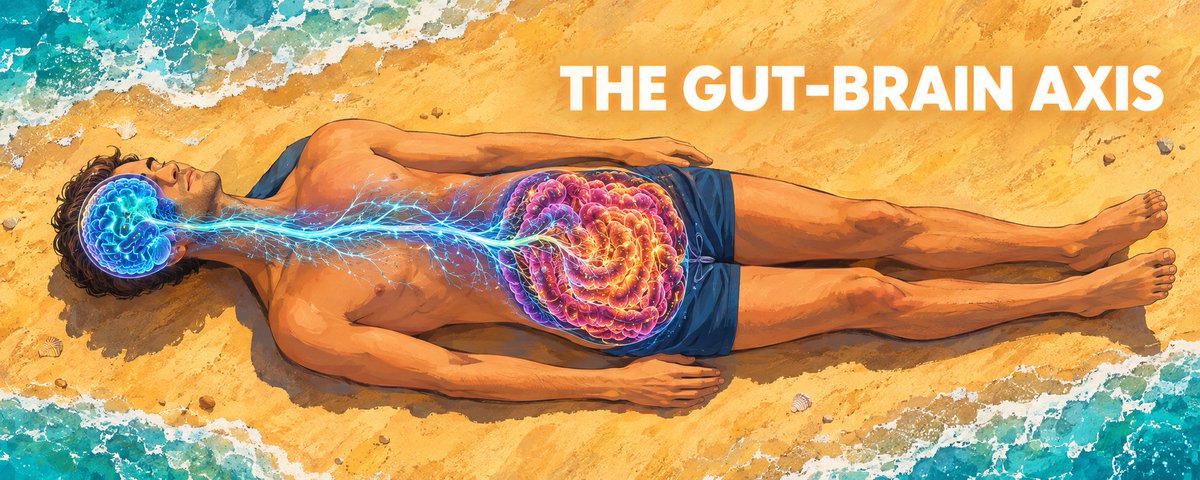
Gut inflammation is linked to depression, brain fog, anxiety, obesity and hypothyroidism, it stands at the core of most health issues.
[PMID: 21893478, 36566723, 37828779, 21683077, 21054680, 38386169, 32229219, 32855515, 38949979]
Your gut has its own nervous system.
5 MILLION neurons, wired directly to your brain.
Most people assume mood chemicals come from the brain, that's not true.
Half of our dopamine and most of our serotonin are produced in the gut.
[PMID: 29909048, 35197425, 35719046, 9360553, 10386253]
Bloating, brain fog, anxiety and poor sleep are all symptoms indicating gut inflammation, if you want to improve your mood or enhance your cognitive function you should probably start with fixing your gut.

A great demonstration of the impact of the gut on our brain comes from a 2011 study from McMaster University, researchers took two mouse strains, one more anxious the other more bold, and swapped their gut bacteria.
Bold mice that received bacteria from the anxious type became anxious and showed less exploratory behavior overall.
(classic high serotonin low dopamine)
The naturally anxious type became bolder after receiving bacteria from the bold type.

The Gut barrier

One of the most critical structures in our entire body, a tightly packed layer of epithelial cells lining the intestinal wall that stands between the trillions of bacteria, viruses, and undigested particles living inside the gut and the bloodstream that feeds every organ you have.
It has two main layers: Mucus and Epithelial.
Weak barrier = Constant inflammation
The Mucus Layer: The First Line of Defense
Our mucus traps pathogens and prevents them from attaching to the epithelial layer, so they can be flushed away.

Sugar is the main building block of the mucus layer.
Low carb = Low mucus production.
The Epithelial Layer : 150 Billion epithelial cells.
Their membranes are stitched together in specialized protein complexes that prevent bacteria from passing.
Strengthen the barrier
1.BPC-157
A protective protein derived from human gastric juice.
It has the ability to inhibit inflammation, strengthen the gut barrier, heal damaged tissues, improve blood flow and angiogenesis.
a few studies showing how BPC-157 heals the gut and improve barrier.
[PMID: 18818478, 18649140, 23220707, 38583442, 29358856, 30622376, 39325560, 20190676, 20225319, 39861766, 14554208, 10672992]
There is so much evidence for its efficacy that its an absolute no brainer.
If your goal is a strong barrier with no inflammation take BPC.
https://www.realpeptides.co/products/bpc-157-capsules/ref/oxidativestate
US source with lab tests for each batch.
Take two pills in the morning(500 mcg each), thank me later.
2.Beef gelatin
The amino acids in beef gelatin are glycine and proline.
Glycine- being the the smallest amino acid it allows the mucus proteins to fold with extreme density, helps Cysteine residues to get close enough to one another(Disulfide bondes). Without Glycine, the molecular structure fails and the barrier is weak.
Proline**-** acts as a structural core, holds the other proteins and allows them to hold sugars.
- Vitamin E
Shown in this study to heal the gut barrier.
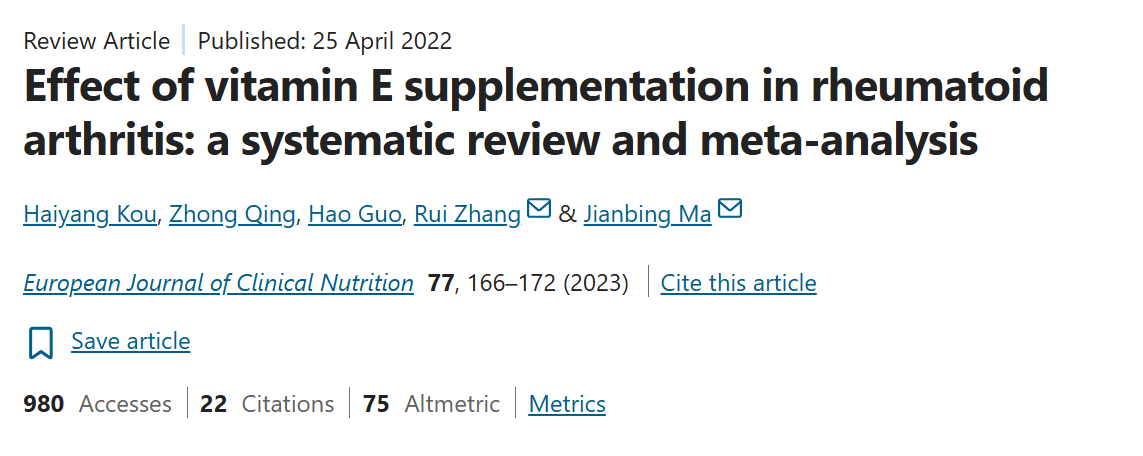
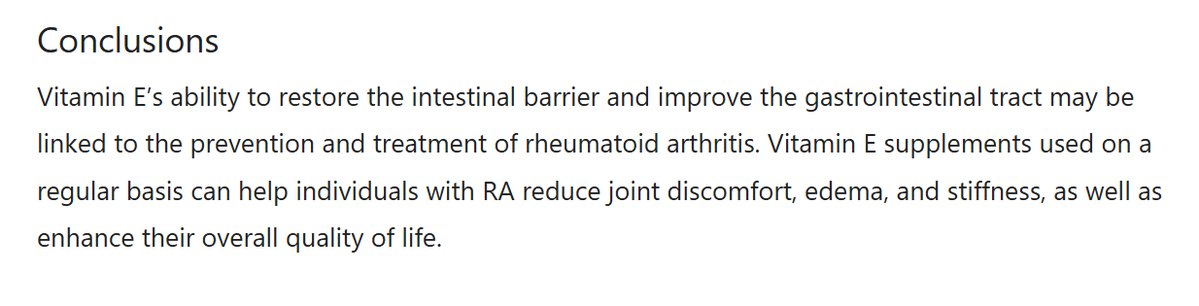
Take only vitamin E that has all 4 tocopherols for the best result.
Skinfood is the best out there.
https://skin.food/products/e-complete-oral-supplement?ref=OXIDATIVESTATE
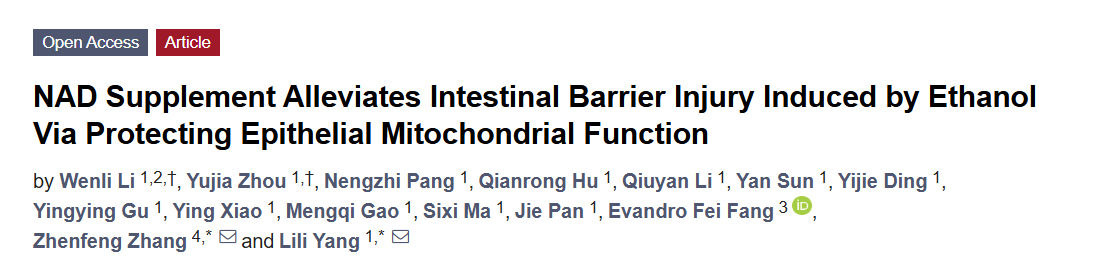
- Niacinamide
This B3 version is the best precursor to NAD, which is crucial for energy production, what's interesting about this compound is that it can also strengthen the gut barrier while lowering oxidative stress
- Taurine
This amino acid lowers inflammation while enhancing the gut barrier.
It strengthens tight-junction proteins and supports mucus production.

AVOID KETO AND LOW CARB DIETS

Nuke gut inflammation
- Aspirin
Very effective in lowering inflammation, improving metabolism, lowering serotonin, nitric oxide and estrogen, It also improves blood flow.
- Activated charcoal
It binds to endotoxins and harmful bacteria preventing them from penetrating into our blood stream thus lowering inflammation.

- Lactoferrin
an iron-binding glycoprotein, In its iron-free (apo) form it starves bacteria of iron, binds LPS on Gram-negative outer membranes and pries them open.

Dopamine vs. Serotonin
Dopamine and serotonin have an inverse relationship.
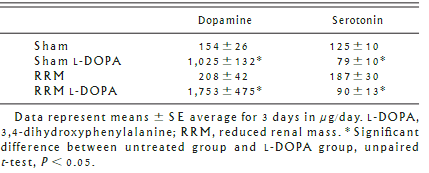
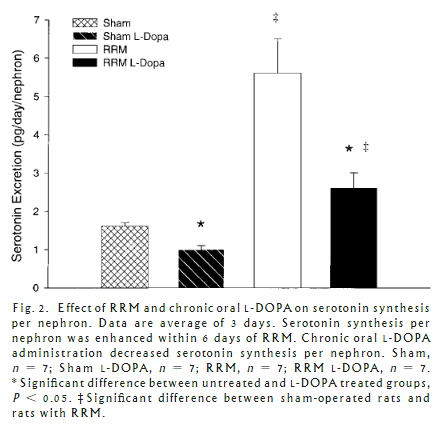
In this study, L-dopa, the direct precursor to dopamine, drastically lowered serotonin levels., This finding aligns with other studies showing that dopamine can inhibit tryptophan hydroxylase (the enzyme that produces serotonin), which competes with tyrosine hydroxylase (the enzyme converting tyrosine to L-dopa).
Dopamine improves mood, playfulness, and libido while lowering prolactin, serotonin, and cortisol, promotes novelty-seeking and lowers stress, while Serotonin reduces ATP production, increases prolactin, estrogen, and cortisol, causes depression and turns peaceful organisms violent.

You can increase dopamine production and lower serotonin with
Bromantane + Tyrosine
This compound increases the expression of genes responsible for producing Tyrosine hydrolase DOPA decarboxylase.
Supplementing Bromantane is effective approach to enhance dopamine production at the genetic level.
If you're in Europe it's easy to get, If you're in the US try
https://www.realpeptides.co/products/bromantane/ref/oxidativestate
If your goal is to lower gut inflammation in order to improve mood and cognitive function, the combo of Bromantane+BPC-157+Tyrosine hits hard, nuking inflammation while raising dopamine levels.
The serotonin link
Gut inflammation triggers serotonin production. Then it goes into your brain where it blocks ATP production
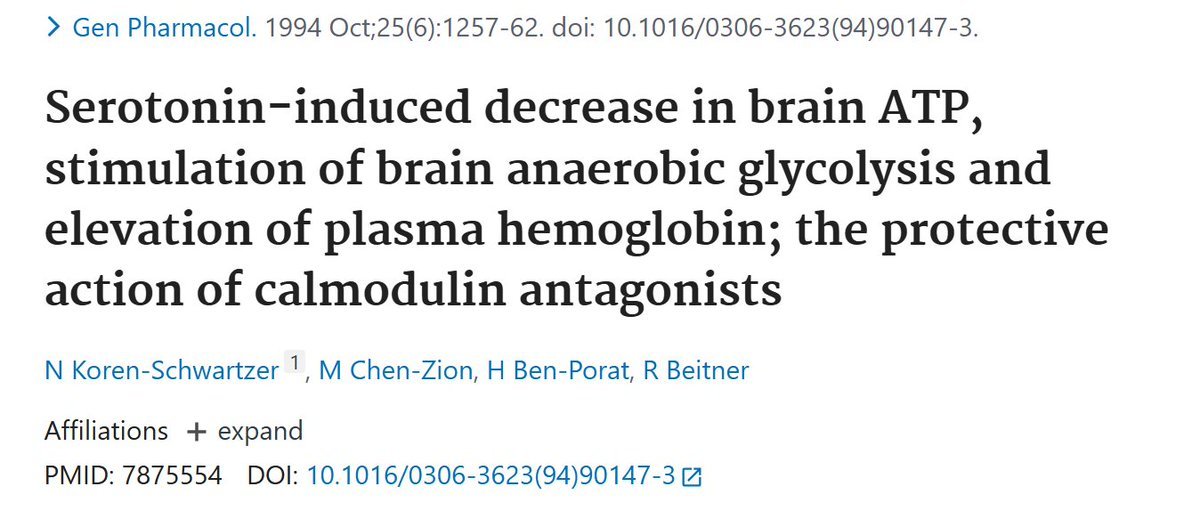
Serotonin raises cortisol and prolactin.
[PMID: 30283981, 1374544, 401022]
Blocking TPH the enzyme that creates serotonin is used to treat obesity, increase bone mass and bone density.
[PMID:25485911, 19041748 ,20139991
Serotonin promotes intestinal inflammation, diarrhoea, Irritable Bowel Syndrome(IBS), and crohn's disease
[PMID: 19095763, 18185071]
How to lower serotonin?
- Increase Salt and potassium Intake
The enzyme that removes serotonin for degradation depends on salt and potassium to work, salt restriction increases serotonin production.
2.Consume Sugar (Sucrose or Fruit) Sugar helps to lower the level of free fatty acids in the blood, and this is important because free fatty acids interfere with the use of glucose and oxygen by the brain and other tissues. Free fatty acids also increase the amount of tryptophan that's converted into serotonin. By lowering the level of free fatty acids, sugar helps to prevent the shift toward the use of fat instead of glucose, and helps to keep the serotonin levels low.
-
Choose Saturated Fatty Acids Saturated fats terminate stress reactions, PUFA amplify them. The ratio of saturated fatty acids to polyunsaturated fatty acids is decreased in cancer. PUFA increase the release of serotonin from the platelets.
-
Maintain High Carbon Dioxide Levels The release of serotonin during hyperventilation isn't the only cause of vascular leakage, the carbon dioxide itself is an essential factor in regulating the state of cellular electrons and in maintaining cellular integrity. Hyperventilation raises intracellular pH, and this increasing alkalinity causes cells to release serotonin. Carbon dioxide is a fundamental, universal protective factor that prevents this shift.(carbs increase co2)
-
Cyproheptadine
6 .Magnesium + Calcium
Magnesium deficiency and calcium deficiency have some similar symptoms, but magnesium is antagonistic to calcium in many systems. It is the basic protective calcium blocker. Since serotonin increases the uptake of toxic amounts of calcium by cells and increases the activity of bone-dissolving osteoclasts, magnesium acts as a vital protective factor against serotonin’s effects. Calcium helps to turn tryptophan into niacinamide instead of serotonin
The Vagus Nerve
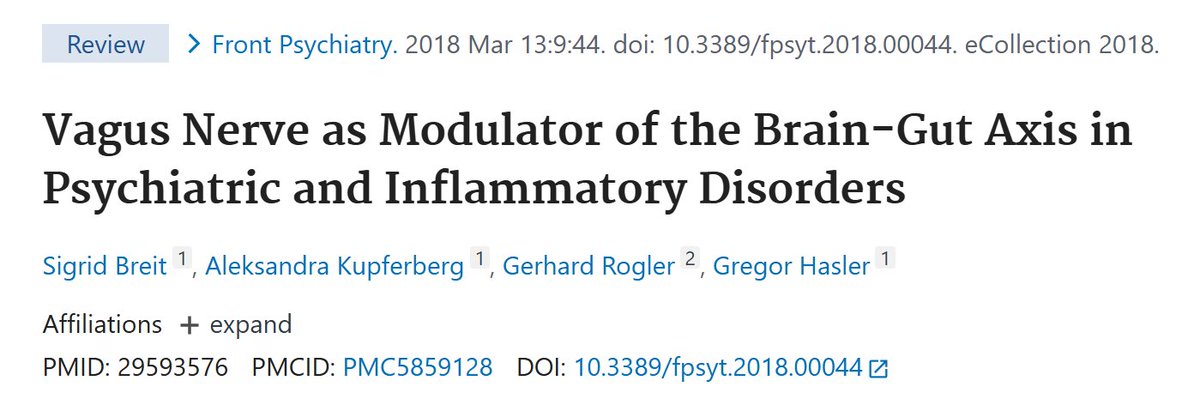
This is the longest nerve in our body, it connects the brain and the gut and is the main contributor of the parasympathetic nervous system.
Its main job is to carry signals between the gut and the brain.
The majority of its signals are from the gut to the brain.
While also signaling from the liver, heart, and lungs to the brain.
We have 2 modes as living creatures:
High metabolic rate or High stress
Rest and digest or Fight/Flight
High T3 or High cortisol
Parasympathetic or Sympathetic
You get the point...
Vagus nerve activity = Parasympathetic = High T3 = High metabolic rate.
The gut is constantly signaling on digestion, inflammation, and even the activity of gut bacteria, and the brain uses that information to adjust mood, appetite, and stress responses.
The Vagus nerve is the manifestation of the gut brain axis.

"increased positive emotions produced increases in vagal tone"
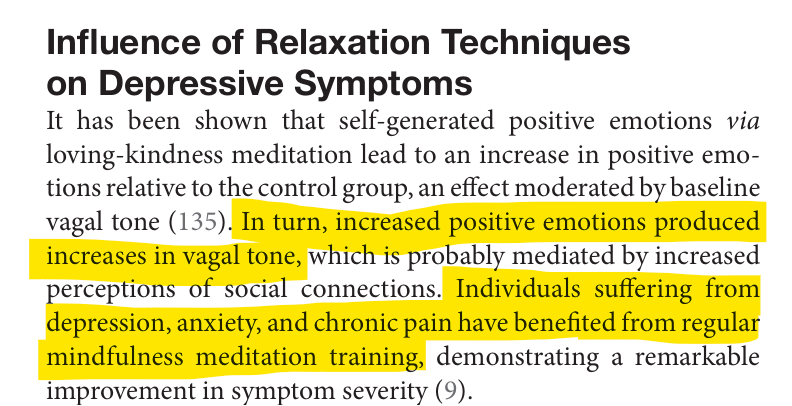
"Vagus nerve stimulation has shown promise as therapeutic option in treatment-resistant anxiety disorders, including PTSD."

Both neural (vagus) and hormonal (HPA axis) lines of communication combine to allow brain to influence the activities of intestinal functional cells, such as immune cells, epithelial cells, enteric neurons, smooth muscle cells, interstitial cells of Cajal, and enterochromaffin cells


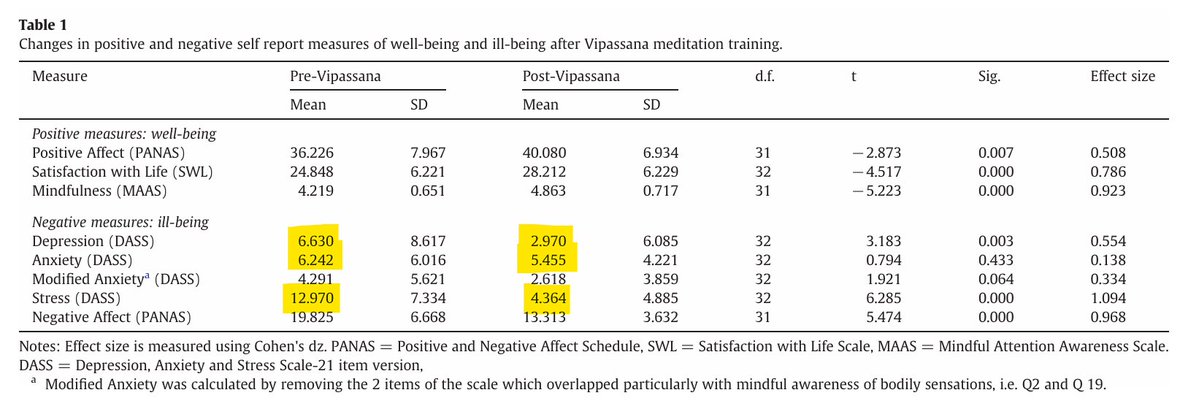
Activating the parasympathetic nervous/the vagus nerve lowers stress, anxiety and depression symptoms.
This study looked at the effects of heart rate and breath rate on vagus nerve activity by measuring forty four individual nerve fibers.
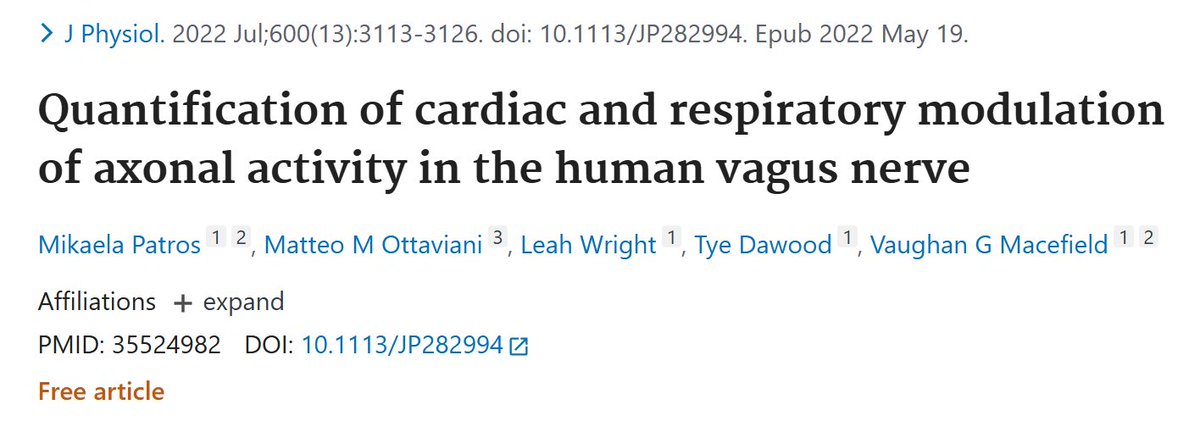
Signals travel along thin cable like fibers called axons.
Some of these axons have a fatty coating called myelin, which makes signals travel faster, and some do not have this coating, which makes signals travel more slowly.
Fibers that send information up are usually sensors, called baroreceptors, that detect blood pressure and report it back to the brain so the body can make adjustments. Fibers that send instructions down can act as brakes on the heart, slowing the heart rate when the brain decides that is needed. In this study, researchers identified seven fibers that behaved like these heart slowing brake fibers, and most of the other fibers looked like they were pressure sensing fibers reporting information upward.
This study looked directly at how the stomach talks to the brain through the vagus nerve. Researchers recorded electrical activity from vagus nerve fibers connected to the lower part of the stomach.
many of the fibers fired in a steady rhythm that matched the stomach's own muscle contractions, meaning the nerve was constantly reporting the mechanical state of the stomach to the brain.
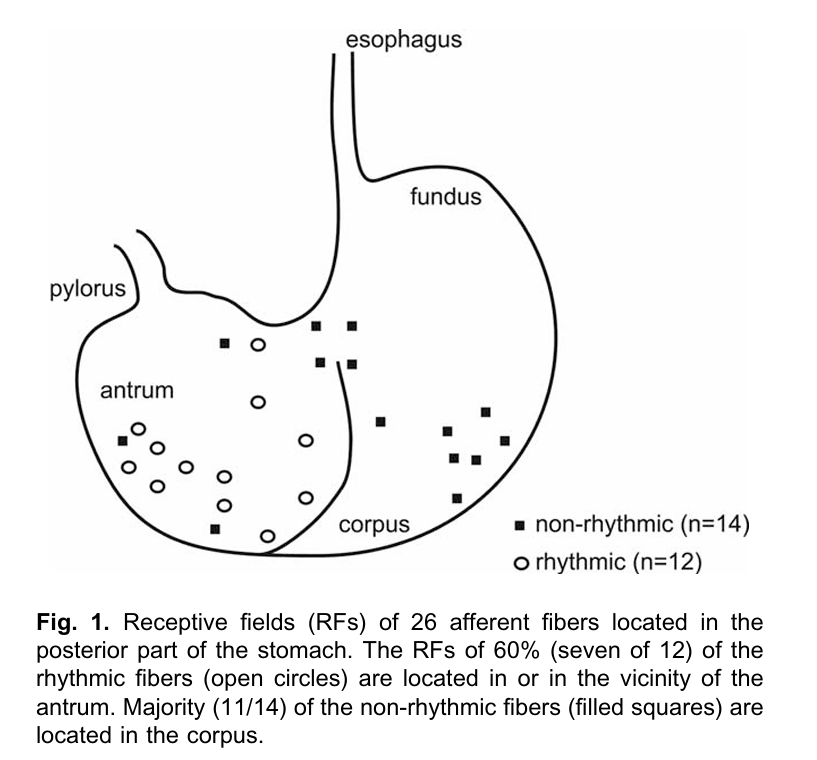 — "PMID 15099685"
Chewing gum and chewing your food activates the vagus nerve
"Chewing gum reduced time to become morbidity-free (relative risk (RR): 1.62 (95% CI: 1.02-2.58); P=0.04) and was associated with a higher proportion of parasympathetic activity contributing to heart rate variability ("
[PMID: 26323293]
The vagus nerve carries the gut's opinion straight to the brain. Most of the traffic runs upward, not downward. That single fact flips how we should think about mood and digestion. Stress hits the gut. A troubled gut hits the mood right back. Stimulate this nerve and you can treat depression. Cut it in an animal and satiety signals vanish.
The Gut-Brain axis and the vagus nerve.
Oxidative State.
Related articles

How I Make $20k/Month With Pixar Animations (and how you can too)
Every time I've made the most money in my life it came down to right time, right skill. AI Animations are exactly this to me right now

How to launch a one-person product (without destroying your life)
Over the last 5 years, I’ve helped launch products that went on to make multiple 7 figures in revenue per year.
the whop partner business model explained in 5 minutes...
every online business model is a trade between 3 things.