how to write documentary YT scripts that keep viewers HOOKED

81% of viewers were still watching at second 30.
that number belongs to a true crime documentary we scripted that went on to pull 1,900,000 views. for context, the same niche, with the same editor, on a script written the old way, held 38% at the same timestamp. the production stack didn't change between those 2 videos. the script did.
and one of the operators running our system, killua, stacked 1,397,122 views and 264,200 watch hours with a 35.3% average view duration on an 11 minute 21 second video. in documentary land, a third of an 11 minute runtime watched on average is monopoly money.
documentaries are the highest-RPM, highest-watch-hour format on YouTube, and they live or die on 1 skill: holding a stranger's attention for 10 to 25 minutes with nothing but words and pictures. here's the exact system behind those numbers, start to finish, so you know what "good" is built from.
start where the story bleeds
the single biggest documentary scripting decision happens before word 1: where do you enter the story?
amateurs enter at the beginning. chronology feels safe, so they open with the birth, the founding, the background. and the viewer, who was promised a spectacle by the title and thumbnail, leaves during the biography.
professionals enter at the point of maximum tension.
fern's video on the berlin aquarium disaster opens inside the hotel lobby, guests lounging under the world's largest cylindrical aquarium, and within 90 seconds 1,000,000 liters of water tear through the building like a tsunami, pushing an employee through a wall. THEN the video earns its 12 minutes by asking how this happened.
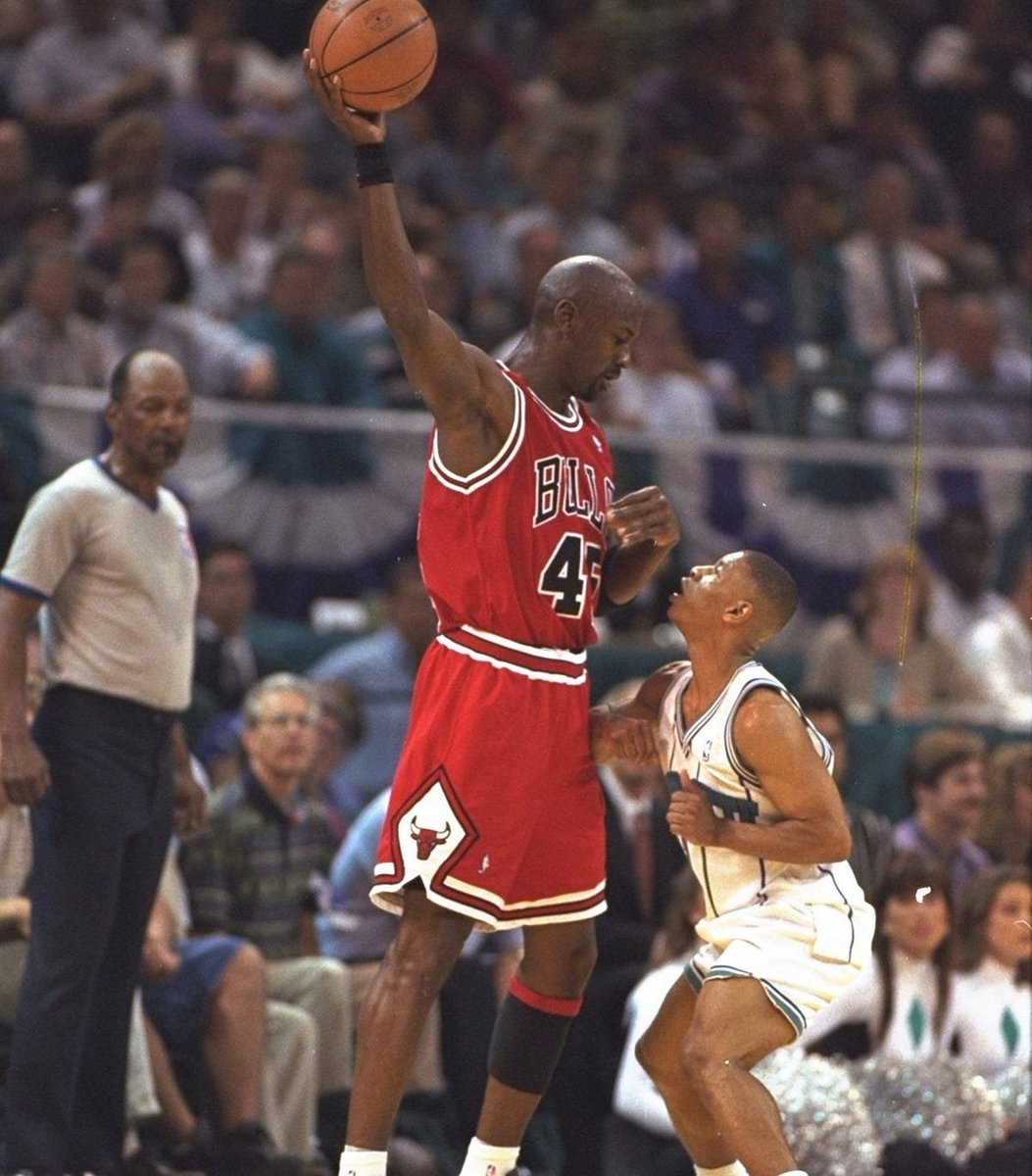
take muggsy bogues, the shortest player in NBA history at 5 foot 3. the lazy script opens with "tyrone bogues was born in baltimore in 1965." the trained script opens at age 12, when a stray shotgun blast put buckshot in his arms and legs while he stood outside his own building, in the neighborhood everyone said he'd never leave. same life. different door into it. one door gets clicked away, the other gets 81% at second 30.
your source material always contains 1 moment where the stakes peak. finding it is a research problem before it's a writing problem, which is exactly why our skill files force the tension-point pass before any drafting starts.
confirm the click, then ask the deeper question
entering at the tension point solves the first 30 seconds. the deeper question funds the other 20 minutes.
the viewer clicked for a visual: the aquarium, the heist, the collapse. pay that off early. delayed topic confirmation is a disease, and the data on it is savage: scripts confirming the topic inside 8 seconds held 78% through the first minute. scripts that opened with generic throat-clearing held 42%. by second 15 of a generic open, 40% of your audience is gone.
but the visual alone carries nobody to minute 18. what carries them is the question underneath it. not "an aquarium broke" but why did the world's largest aquarium break. not "a man was executed" but what does a man do with his final 24 hours. the title implies the question, the intro sharpens it, and every section of the script becomes a partial answer that opens the next question.
no lens, no question, no video. a topic stated flat is a wikipedia page. the same topic, run through an angle nobody else holds, is a documentary.
(side note: the exact intro architecture we use, first 50 words, line by line, is baked into the facelessOS skill files. DM me "DOCS" if you want the machine building your intros to that spec. back to the system.)
chain events with conflict, never with "and then"
documentary bodies fail in 1 predictable way: the "and then" chain. event 1, and then event 2, and then event 3. every event true, every transition dead, the whole thing cognitively exhausting.
the fix is mechanical. events connect through exactly 2 joints:
- causation: this happened, which caused this, which forced this
- conflict: this happened, BUT this stood in the way, SO this became necessary
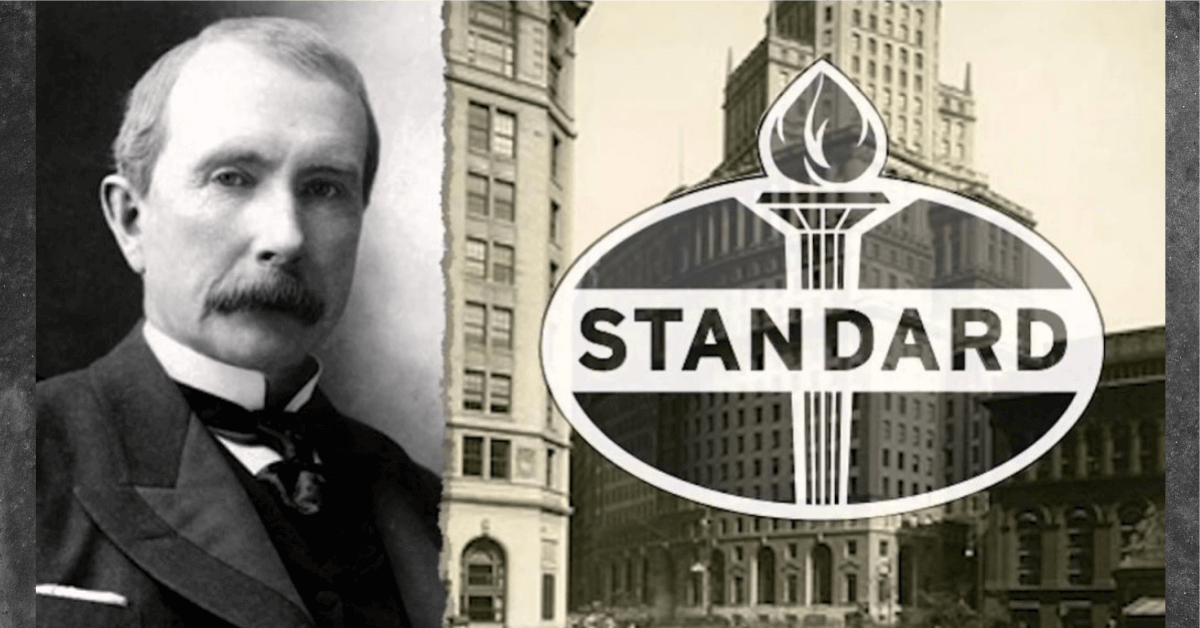
rockefeller didn't build standard oil "and then" buy the railroads. the rebate scheme forced competitors into a corner, so they sold, but the state of ohio came for the trust, so he invented the holding company. same facts every biography lists. the joints make them unputdownable.
and cut ruthlessly. the first draft of a great documentary always contains a fascinating side character who dilutes the spine. the discipline to delete a true, interesting, researched paragraph because it serves the writer instead of the story separates the 7,000,000 view videos from the 40,000 view ones.
the retention lattice
past the intro, documentary retention is held by a lattice of timed mechanisms. this is where our system stops being taste and becomes engineering:
- curiosity spacing. a new open loop lands roughly every 60 seconds in documentary pacing. true crime tightens to every 30 to 45. go 2 minutes without a new unanswered question and the graph shows you exactly where.
- the golden ratio. 30 seconds of context, then 60 seconds of action or consequence, repeating. context dumps longer than 30 seconds are where documentaries go to die.
- mini payoffs every 90 to 120 seconds. each one closes a small loop AND opens a new gap within 10 seconds. a payoff with no new gap behind it is a payoff void, and voids at the 30 to 40% mark are lethal because that's exactly where mid-rolls fire. we've fixed nothing but the voids on a channel and watched RPM climb from $3 to $14.50, revenue moving from $2,400 to $5,800 a month on HALF the views.
- point ordering. run your 2nd strongest section first, your strongest in the middle, your 3rd strongest last. that ordering beats strongest-first by 15 to 25% on completion, because strongest-first writes a check the back half bounces.
- foreshadow the grand payoff 3 times. in the hook, around minute 3, around minute 8. the viewer at minute 14 stays for a destination they've been reminded exists.
none of this shows on screen. all of it shows on the graph.
the script picks your paycheck before minute 3
here's the part of the case study nobody expects: the script decided the RPM, not the niche.
the vocabulary, references, and pacing in your first 3 minutes work as a demographic filter. write with the cadence of a brainrot compilation and you keep the $2 RPM viewer while the $18 RPM viewer leaves by minute 2. write with specifics, restraint, and an adult's vocabulary and the filter flips. same topic, same runtime, radically different advertiser pool bidding on your audience.

runtime plays into this too, but only through retention. a 25 minute documentary carries 5 to 6 mid-roll slots, which is why documentaries out-earn nearly every format on the platform. those slots only pay if viewers are still present when they fire, and the 30 to 40% mark, exactly where mid-rolls concentrate, is exactly where payoff voids kill. this is why the void fix above doubled a channel's monthly revenue while its raw views got CUT in half. the views were never the asset. the watched minutes were.
so when you write a documentary script, you're making 3 decisions at once: who stays, how long they stay, and which advertisers pay for them. all 3 get decided by words on a page before a single frame gets rendered.
"documentaries are saturated" and the other cope
2 objections, handled quick.
"the documentary space is saturated." the space of documentary UPLOADS is saturated. the space of documentaries built on the system above is nearly empty, which you verify yourself in 10 minutes: open 10 recent uploads in your niche and count how many enter at the tension point instead of the biography. i've audited 100s of these channels. the count is nearly always 0 or 1. saturation is what mediocre operators call a market where the standard rose past them.
"i'm not a writer." neither is the operator who pulled 1,390,000 views. he's a systems guy who loaded the right instruction set into the right model and applied taste to the outputs. the era where this skill demanded 5 years of reps ended when the reps became transferable as files.
clear over clever, and the ending that lingers
2 finishing principles, both counterintuitive.
first: the writing's job is to stay out of the story's way. a bank heist with 1,000 rounds fired needs no adjectives. an execution chamber needs no dramatic prose. confusion, not boredom, is the number 1 reason viewers leave a documentary, and clever writing is the number 1 source of confusion. the mood comes from delivery, music, and cut tempo. the words carry information, cleanly, or they get cut.
second: the outro is never a summary. we close with the zeigarnik triple: reframe what the viewer watched, reveal the final piece held back since the hook, redirect the tension onto the viewer themselves.
the sharpest execution of this i've seen: a death row documentary that walks you through a condemned man's final 24 hours, the last meal, the preparations, the final words, while withholding his crime. you empathize for 15 minutes. then the reveal lands, the crime is monstrous, and the script turns to the viewer with 1 question: perhaps he deserves to die, but do we deserve to kill him? the comment section became a philosophy war. THAT is a returning viewer being manufactured in real time, and a returning satisfied viewer is the 1 signal on YouTube nobody fakes.
how you get this same result
so, the system: enter at the tension point, confirm the click inside 8 seconds, ride the deeper question, chain with conflict and causation, run the retention lattice, write clear, close with the triple.
you have 2 ways to install it.
way 1: study 8,000+ scripts across 50+ niches, log which intros held 81% and which held 38%, extract the patterns, build the timing rules, and pressure-test them across 200,000,000 views. budget about 5 years. i know, because that was my route.
way 2: run the machine that already contains all of it.
worth slowing down on how killua's run worked, because the mechanics matter more than the headline number. he loaded the facelessOS skill files into claude, then stacked his own markdown files on top: channel notes, niche vocabulary, what his past winners had in common. the skill files enforced the structural engineering (the entry point, the loop spacing, the golden ratio, the ordering). his files taught the machine his channel's taste. the 11:21 video that came out of that stack held a 35.3% average view duration, which put 264,200 watch hours on the board from a single upload cycle.
notice what he did NOT do. he didn't prompt "write me a documentary script" and pray. he didn't spend 5 years reverse-engineering retention graphs. and he didn't outsource the judgment calls, because the operator picking between candidate hooks and approving the structure IS the job now. the reps that used to take years transferred to him as files, and his energy went entirely into the 10% machines still don't do: taste, verification, and knowing his audience.
that's the shape of every result in this article. the system did the engineering. a human did the choosing.
i break down documentary scripts like the death row piece in detail inside the newsletter, section timestamps and all: fyreinteractive.co/newsletter.
and when you're ready for way 2:
if you want the exact AI scriptwriting skill files that build documentary scripts to this standard for you, trained on 8,000+ scripts across 50+ niches, DM me "DOCS" and i'll send you everything
(200M+ views and $5M+ generated through AI scriptwriting skill files, one-time payment, every future version included)
haris
Related articles
How to Start a 6 Figure Faceless YouTube Channel (Full Breakdown)
I've helped over 400 people start profitable faceless youtube channels. i've ran over 50 channels myself. Generated over $4 MILLION by age 25. Worked with youtubers that have 10 million+ subscribers,…


How to Build a One-Person Company That Runs from Slack
content finds ideas for X and YouTube.