LEAKED: Google just accidentally revealed how AI search systems actually work.
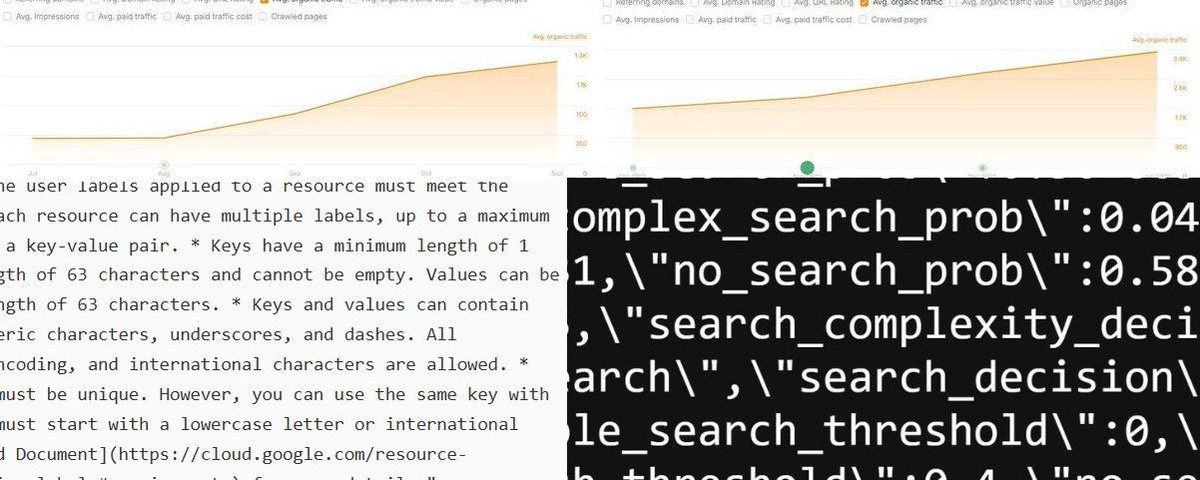
Google just accidentally revealed how its AI search systems actually work.
Now that none of it is a secret anymore, let's talk about it.
2026 is going to be a make or break year for a lot of businesses when it comes to traditional search (Google) and AI search (ChatGPT, Gemini, Perplexity, etc.).
Embedded post:
Author: Alex Groberman (@alexgroberman) Post ID: 2012253823650144694 Source: https://x.com/alexgroberman/status/2012253823650144694 Reply to: https://x.com/alexgroberman/status/2012203465146065126
Text:
> Turn Google and ChatGPT into your top sales channels with SEO Stuff: http://Seo-stuff.com
Let's start from the beginning.
Metehan Yesilyurt, who previously went viral when he expertly analyzed Perplexity's ranking factors, recently broke down Google AI ranking factors in a blog post.
It was fascinating.
And a lot of the leaked ranking factors validate what SEO Stuff (seo-stuff.com) has been doing all year to get customers more traffic + sales over the past year.
Embedded post:
Author: Alex Groberman (@alexgroberman) Post ID: 2011868813156106711 Source: https://x.com/alexgroberman/status/2011868813156106711 Reply to: https://x.com/alexgroberman/status/2011836046385012984
Text:
> Google just filed a big lawsuit and accidentally exposed how Google + ChatGPT really work: https://x.com/alexgroberman/status/2011802202936131813
Quoted: https://x.com/alexgroberman/status/2011802202936131813
Basically, as noted by Yesilyurt, by selling the underlying infrastructure through a product called Google Cloud Discovery Engine (Vertex AI Search), Google revealed a lot about its AI systems work.
If you understand what Discovery Engine exposes, you understand how Google AI Mode, AI Overviews, and future AI search features are likely ranking and retrieving your content.
I'll talk about the 7 ranking signals below, but I advise you to read the entire blog post I'm linking to because it goes into way more helpful technical detail:
Base Ranking
The core algorithm’s initial relevance score.
Gecko Score (Embedding Similarity)
Vector similarity between your content and the query.
Semantic match.
Jetstream (Cross-Attention Relevance)
A more advanced model that understands negation, contrast, context and nuance better than embeddings.
BM25 Keyword Matching
Kind of self-explanatory. Yes, keyword matching still matters.
PCTR (Predicted Click-Through Rate)

A three-tier prediction model:
Tier 1: Popularity
Tier 2: PCTR
Tier 3: Personalized PCTR (unlocked only after 100,000+ queries)
Freshness
Time-sensitive recency scoring.
Boost / Bury Rules
Manual ranking adjustments based on business logic.
This is the most transparent look we’ve ever had into Google’s AI ranking pipeline.
Discovery Engine also exposes the retrieval pipeline:
Max chunk size: 500 tokens (~375 words)
Optional: ancestor headings travel with each chunk
Tables and images get parsed
Layout parser + Gemini-enhanced understanding (LLM-augmented indexing)
This means: every important point needs to live inside a 500-token block with clean headings and clear structure.
If your content is one massive wall of text, you're done.
Also, I hate to be the "I told you so" guy on this, but schema matters.

For some reason it has become controversial to say this on social media, but it was obvious and now it is confirmed.
Discovery Engine shows Google processes structured data with three separate flags:
Searchable (affects recall)
Indexable (affects filtering + ordering)
Retrievable (affects what the model can output)
These are independent.
Embedded post:
Author: Alex Groberman (@alexgroberman) Post ID: 2011499275570778602 Source: https://x.com/alexgroberman/status/2011499275570778602 Reply to: https://x.com/alexgroberman/status/2011435915269263391
Text:
> Here's the easiest free way to get traffic and sales from ChatGPT and Google AI Overviews right now: https://x.com/AlexGroberman_/status/2011464730796584984
Quoted: https://x.com/alexgroberman/status/2011464730796584984
Meaning:
A field can influence ranking without being visible, or be visible without influencing ranking.
A massive hint at how Google uses structured data for AI Mode.
Also, Google revealed the 4-stage AI search pipeline:
Prepare
Query understanding, synonym mapping (time-aware), autocomplete, NLU.
Retrieve
Chunking, layout parsing, schema extraction, embeddings.
Signal
The 7 signals above.
Serve
Gemini 2.5 Flash generates the final answer, applies instructions, safety filters, related questions and grounding rules.
Traditional Search to AI Overviews to AI Mode are simply different configurations of this same pipeline.
So what does all this mean?
Embedded post:
Author: Alex Groberman (@alexgroberman) Post ID: 2011836046385012984 Source: https://x.com/alexgroberman/status/2011836046385012984 Reply to: none
Text:
> If you run a Shopify store and aren’t generating meaningful revenue from Google or ChatGPT… > > Here is an exact step by step roadmap. > > Let’s start with the real issue. > > Google still relies heavily on links, authority and product relevance. > > AI engines rely heavily on brand trust, product clarity and consistent commercial signals. > > If you want sales from both, you need overlap. > > Which is why SEO Stuff's Gold Plan (http://seo-stuff.com) has been such a hit this year for Shopfiy stores looking for a done-for-you solution. > > That overlap looks like this: > > Clear product and category positioning > > Authoritative backlinks and brand mentions > > Consistent product entity signals > > Structured, machine readable Shopify content > > Strong engagement and conversion signals > > If you do not understand what I just said, stop immediately and scroll down to my first reply to this post. > > If you do, keep going. > > First, lock down your positioning. > > Generic Shopify stores do not get recommended. > > AI systems associate trust through specificity and co occurrence. > > “Online store selling supplements” means nothing. > > “Sleep supplement brand for adults struggling with night time anxiety” means a lot. > > Your Shopify homepage must clearly communicate: > > Who the products are for > > What problem they solve > > What makes them different > > Why the store should be trusted > > If a human cannot understand your store in five seconds, AI systems cannot recommend it. > > Next, build trust where AI systems already look. > > Most Shopify stores rely on ads and influencers only. > > AI engines learn trust from persistent, indexable third party validation. > > Examples that work right now: > > Product reviews on trusted platforms > > Buyer guides and comparison articles > > Industry publications and blogs > > Podcast transcripts mentioning your brand > > Product roundups and listicles > > Original testing or data when applicable > > These mentions reinforce your brand and product entities. > > This is how AI engines learn you are safe to recommend. > > Next, create AI parseable product and collection content. > > Default Shopify product descriptions are not enough. > > AI engines quote explanations, not sales copy. > > Structure your Shopify pages for extraction. > > Use: > > H2 questions with two to three sentence answers first > > Buying guide sections on collection pages > > Comparison blocks between similar products > > FAQ sections with schema > > Clear ingredient or feature breakdowns > > Examples that work extremely well: > > “Which supplement is best for sleep without melatonin” > > “Who should not take this product” > > “Best alternative to [popular brand]” > > Gemini and Perplexity often surface these sections verbatim. > > Next, turn proof into permanent Shopify assets. > > Most Shopify stores leave proof scattered. > > AI engines value persistent evidence. > > Repurpose: > > Customer reviews > > UGC testimonials > > Product FAQs from support tickets > > Press mentions > > Influencer quotes that are indexable > > Turn them into: > > Dedicated review pages > > Product trust sections > > Buying guide blog posts > > YouTube videos with transcripts > > Mention your brand and product names naturally. > > Next, target prompt style shopping queries. > > People now shop by asking full questions. > > Your Shopify content must reflect that. > > Examples: > > “What is the best supplement for sleep without grogginess” > > “Is [Brand Name] legit” > > “Where can I buy [Product Name]” > > Use Ahrefs or SEO Stuff and prioritize: > > Commercial intent > > Moderate difficulty > > Natural language phrasing > > Always front load a direct answer before expanding. > > Next, clean up your Shopify technical foundation. > > AI engines do not trust slow or bloated Shopify stores. > > Your checklist: > > Fast mobile performance > > Clean product and collection URLs > > No duplicate variants indexed > > Proper canonical tags > > Strong internal linking between collections and products > > Valid Product, Offer, Review, FAQ, and Organization schema > > Updated shipping, returns, and contact pages > > Allow AI crawlers > > Your Shopify store is your product database. > > Treat it like one. > > Next, own branded search and trust queries. > > If Reddit or review sites control your brand narrative, you are exposed. > > Create branded Shopify pages like: > > “Is [Brand Name] legit” > > “[Brand Name] reviews” > > “Where to buy [Brand Name] products” > > “[Brand Name] vs competitors” > > This increases branded search and reinforces trust signals. > > Next, optimize for conversion. > > Traffic without purchases is wasted. > > AI engines observe engagement and buying behavior. > > High engagement validates trust. > > What works on Shopify: > > Clear add to cart buttons > > Reviews near purchase CTAs > > Transparent pricing and shipping details > > Trust badges and guarantees > > Abandoned cart and browse recovery emails > > Retargeting ads for visitors > > Faster purchases create stronger trust signals. > > Finally, track the right metrics. > > Ignore vanity traffic. > > Measure: > > Branded search growth > > Product page engagement > > Add to cart rate > > Conversion rate > > AI citations and product mentions > > Review volume and sentiment > > Repeat purchase behavior > > These signals correlate directly with AI recommendations and revenue. > > Most Shopify stores today: > > Rely heavily on paid ads > > Have weak brand authority > > Publish thin product content > > Do not control branded search > > Which is why they are non-factors in ChatGPT, Gemini, Perplexity, and increasingly Google. > > Follow this roadmap and your Shopify store will start appearing where customers actually decide what to buy now. > > And if you want the private cheat codes we use to get Shopify stores cited inside ChatGPT and AI Overviews in 30 to 60 days: > > Follow me > > RT > > Comment “Shopify Guide” > > You must do all 3 for the DM.
Media:
- video:
Well, it means you must optimize for three layers at once:
Layer 1: Semantic similarity (Gecko)
Your content needs to clearly match the intent of the prompts you want.
Layer 2: Cross-attention relevance (Jetstream)
Jetstream rewards:
clear definitions
direct answers
contrast statements
“X vs Y”
“Best for ___”
“Without ___”
Layer 3: Chunk-level clarity
Your content must be extractable in 500-token blocks with:
question-based headings
two to three sentence answers
TLDR summaries
clean HTML
factual claims
lists and comparisons
This is exactly what AI systems quote.
And this is exactly why SEO Stuff (http://seo-stuff.com) works so well in AI search.
Embedded post:
Author: Alex Groberman (@alexgroberman) Post ID: 2010751432392368634 Source: https://x.com/alexgroberman/status/2010751432392368634 Reply to: none
Text:
> This SEO Stuff (http://seo-stuff.com) customer, an ecom brand in one of the most regulated and competitive niches, grew search traffic by 126%. > > Use their formula for your business. > > Seriously, it'll never be easier than today to make Google and ChatGPT your top sales channels. > > Don't drag your feet and then try to play catch-up in 2027 when it's 10x harder. > > Before I break down exactly what worked here... > > If you want a few cheat codes for getting traffic from ChatGPT within the next 30 days, RT this + follow me + reply “ecom guide” and I'll DM you. > > You must do all 3 for the DM. > > Let’s start with the results. > > Organic traffic: Up. > > Top 3 keywords: Up. > > AI Overview citations: Up. > > ChatGPT traffic: Up. > > Gemini traffic: Up. > > Perplexity traffic: Up. > > Their visibility growth now spans product pages, category hubs and educational content. > > This is a wellness brand competing against national DTC supplement companies backed by in-house SEO teams, paid media budgets and huge brand awareness. > > And it is outranking them at a fraction of the cost. > > Let’s get into the formula. > > Most competitors in this niche publish short blog posts and generic how-to articles that look fine in Shopify but do not rank, do not get cited and do not build credibility with AI systems. > > This brand ended up doing things a bit differently. > > Here is their system in case you want to apply it to your own stuff: > > Step 1: Turn product pages into knowledge hubs. > > Product and category pages were transformed from simple conversion pages into full resource pages. > > Each page included: > > A TLDR summary explaining benefits and differentiators in plain language. > > Question based H2s such as: > > “What are the benefits of [product]” > > “How does [ingredient] support recovery” > > Two to 3 sentence answers under each H2 written as complete, extractable insights. > > Scannable lists and factual data points to maximize AI readability. > > AI Overviews pull from pages structured like answers, not pages written like advertisements. > > Step 2: Build authority with purpose. > > Using SEO Stuff’s Gold Plan (https://seo-stuff.com/gold-plan-package), the focus was relevance. > > The strategy: > > DR 50+ links only, from health, wellness and small business publications already driving organic traffic. > > Contextual anchors like “natural supplements brand” and “[ingredient] based recovery formula” instead of generic filler anchors. > > Entity alignment, making sure each referring domain referenced the brand and product category in context. > > AI engines heavily weight entity relationships. > > When those relationships are reinforced across trusted domains, AI systems begin associating your brand with the category, which triggers repeated citations. > > Step 3: Strengthen brand and product schema signals. > > Once authority was established, the site was optimized for structured data and brand recognition. > > This included: > > Adding product and brand schema to every core page. > > Creating “Reviews” and “Ingredients” pages with FAQ schema. > > Using brand forward meta descriptions such as: > > “Learn why [Brand Name] is one of the most trusted [category] supplement companies for natural recovery.” > > Refreshing pages regularly because Gemini favors recency within 30 to 90 days. > > These changes make the site easier for AI engines to interpret, trust, and reuse as a source. > > Step 4: Build internal linking clusters that pass meaning. > > Traditional SEO uses internal links to pass authority. > > AI search uses internal links to pass meaning. > > The linking strategy: > > Each product page linked to 3 to 4 ingredient or benefit focused blog posts. > > Each blog post linked back to the related product or category page using intent based anchors like “natural [issue] relief supplements” or “[category] focused recovery formulas.” > > This created tight topical loops that made relationships clear for both Google and AI systems. > > The result was improved rankings and repeated citations inside AI responses. > > Step 5: Scale with AI optimized commercial content. > > Once the foundation was built with the Gold Plan, the brand scaled with the Premium Content Bundle. > > This added: > > 60 AI optimized articles targeting “best,” “top,” and “comparison” searches. > > Clean HTML and FAQ schema for easy extraction. > > Built in TLDR summaries to increase AI citation frequency. > > These pages now rank for hundreds of new commercial keywords and fuel consistent visibility across ChatGPT, Gemini, and Perplexity. > > The results speak for themselves > > All organic. > > No ads. > > Visibility increasing month after month (for the most part). > > If you want to replicate this system: > > Turn product pages into knowledge hubs. > > Add question based H2s and TLDR summaries. > > Build DR 50+ backlinks aligned with your niche. > > Apply product and brand schema everywhere. > > Refresh content regularly. > > Interlink with intent. > > Do this consistently for 30 to 90 days and you will begin appearing in Google, ChatGPT, Gemini and Perplexity just like this brand did. > > Or let SEO Stuff do it for you. > > Gold Plan > > https://seo-stuff.com/gold-plan-package > > 10 long-form, snippet optimized articles, 3 DR 50+ backlinks, and a complete AI search strategy. > > Premium Content Bundle > > https://seo-stuff.com/premium-content-bundle-service > > 60 structured, AI ready articles built to drive citations, rankings, and compounding visibility. > > There is a reason 80+% of SEO Stuff customers reorder. > > The results continue long after the work is done. > > And if you want 3 cheat codes for getting your business cited in ChatGPT and AI Overviews within 30 days, just RT this, follow me, and reply “ecom guide.” > > You must do all 3 for the DM.
Media:
- image: https://pbs.twimg.com/media/G-efxN5WwAAK8Y8.jpg
- image: https://pbs.twimg.com/media/G-efxN3WwAARS_R.jpg
- image: https://pbs.twimg.com/media/G-efxN-W4AAgHsJ.jpg
The Discovery Engine findings validate the entire SEO Stuff approach from long before this documentation was public.
Let me break down the packages through the lens of Google’s architecture:
SEO Stuff Gold Plan
https://seo-stuff.com/gold-plan-package
10 long-form, comparison-based, extractable articles
Structured in 500-token blocks
Question H2s
Two to three sentence direct answers
TLDR blocks
FAQ schema + product schema
3 DR50+ backlinks to strengthen entity signals
Gold Plan maps to:
Gecko (semantic match)
Jetstream (cross-attention relevance)
BM25 (keyword match)
Freshness
Entity trust (for Boost/Bury)
This is the fastest path to appearing in ChatGPT, Gemini, Perplexity, and Google AI Mode.
SEO Stuff Premium Content Bundle
https://seo-stuff.com/premium-content-bundle-service
60 comparison-driven articles
Structured to match the exact pattern LLMs extract
Category-defining content
Builds topical coverage + entity clarity
Creates a deep corpus for Jetstream + embeddings
Premium Bundle maps to:
Retrieval depth
Structured chunking
Ancestor heading clarity
Embedding similarity
AI model grounding
This is how you train AI systems to associate your brand with your category.
SEO Stuff Premium Backlink Bundle
https://seo-stuff.com/premium-backlink-bundle-service
3 DR50+ backlinks from domains LLMs already trust
Reinforces brand consistency across the web
Boosts entity recognition
Backlinks help with:
Base ranking
PCTR (popularity + trust)
Boost/Bury eligibility
Entity clarity
This is why so many customers reorder.
It works.
Google is not hiding its AI search architecture.
They literally exposed:
The signals
The ranking layers
The chunk sizes
The parsing logic
The semantic models
The engagement tiers
The answer generation flow
The brands that understand this and structure their content accordingly will run through the next era of search like absolute beasts.
And SEO Stuff (http://seo-stuff.com) was built specifically to map to this architecture.
If AI is replacing the first click, your content must replace the first impression.
Plain and simple.
If you want cheat codes for getting inside ChatGPT, Gemini, Perplexity, and Google AI Mode within 30 days…
RT this, follow me, and reply “AI SEO Cheat Codes.”
You must do all 3 for the DM.
Related articles

jev for seo is insane (here's why)
Jev launched on September 15 behind a waitlist. It doesn't chat. It doesn't generate text. You send it state and a typed question, it returns a probability in about 250 milliseconds, for a fraction o…

How We Generated Millions Of Organic Clicks With Programmatic SEO
most SEO looks like this:
Our Entire $35M AI SEO Playbook (and how to copy it)
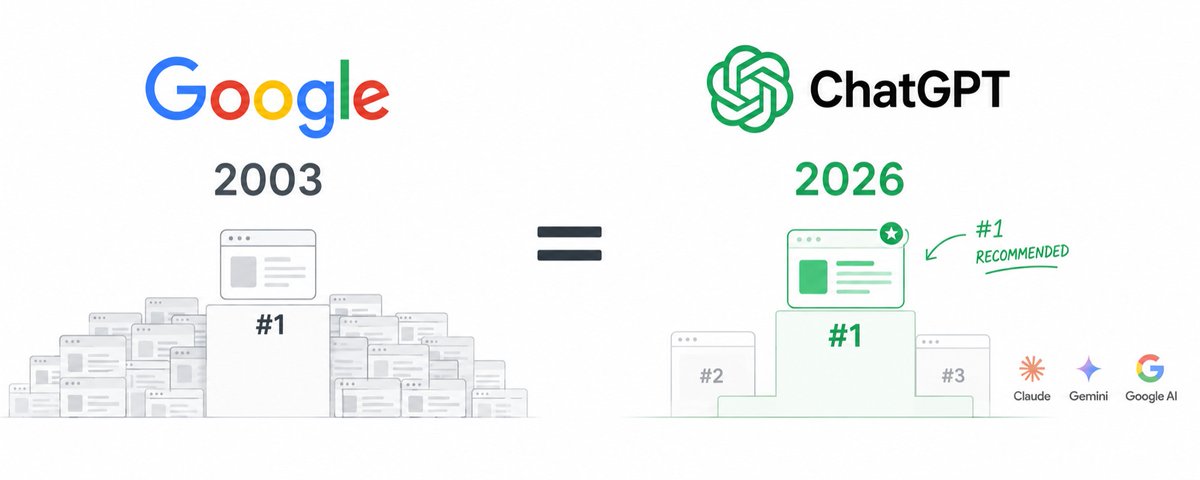
in 2003 you could publish a blog post and rank on Google in a WEEK