the most valuable google ads masterclass ever created

i've been running google ads for ecom brands for 7 years
generated $20M+. scaled a pet brand to $1M at 19. taken a health brand to 21x ROAS in australia. rebuilt accounts burning $12k a month in waste and turned them into $94k a month revenue machines
this is everything i know, consolidated into 1 article
0 padding, 0 recycled theory, and nothing generic. everything here comes from real accounts with real money on the line
read it properly, implement it in the right sequence, and you'll have a better google ads account than 95% of what i see in audits
and i see a LOT of audits
part 1: the 4 non-negotiable foundations
before strategy, before campaigns, before budgets
if any of these 4 are wrong, nothing built on top of them works. cold traffic amplifies whatever structure it lands on, and pointing budget at a broken foundation scales the break
foundation 1: conversion tracking
the single most important thing in your account. wrong tracking means every optimisation decision runs on lies
i've walked into accounts double-counting purchases because the thank-you page fired twice. accounts tracking add-to-cart as a purchase. accounts importing session-based analytics goals instead of transactions
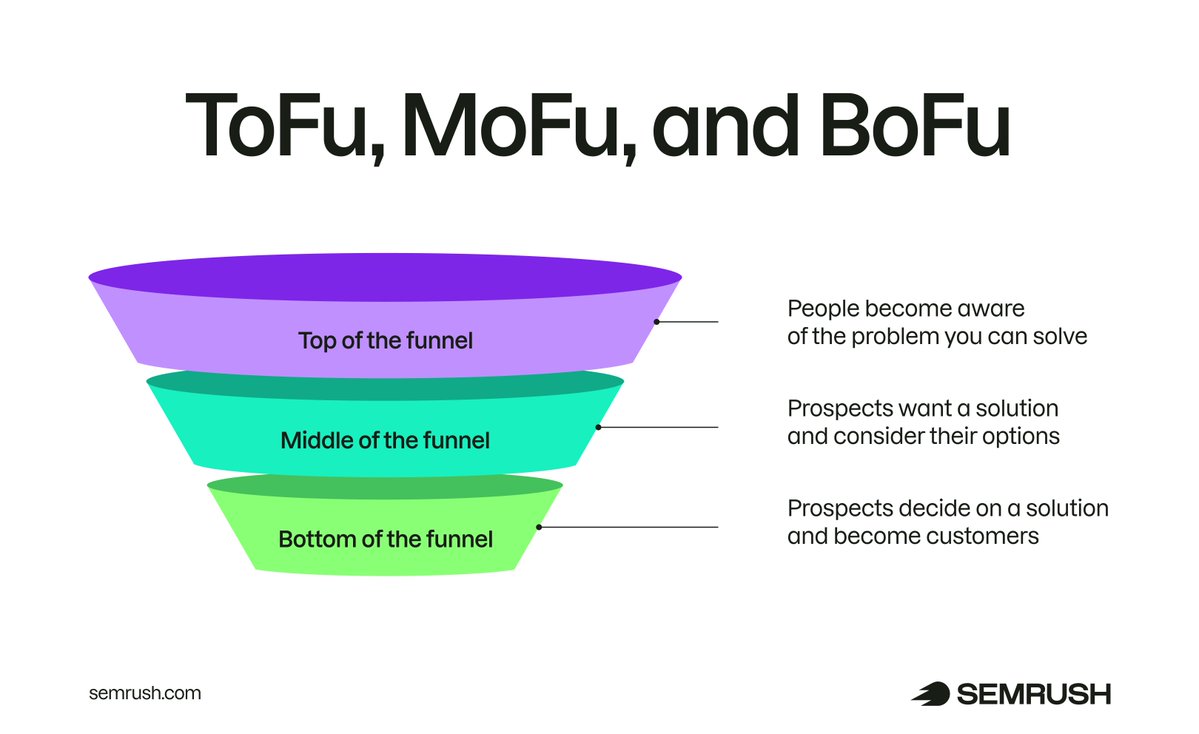
the correct setup:
- 1 primary conversion action: completed purchase, with real value passed, never a static number
- add to cart, begin checkout, email signup all marked secondary. signal without inflation
- verify with tag assistant on a test purchase before spending another dollar
that's it. boring, foundational, and skipped constantly
foundation 2: the merchant center feed
for shopping campaigns, the feed IS the campaign
titles, descriptions, attributes and images decide which queries you appear for, how often, and how relevant you look when you do
the title change that took 1 client from 9.63x to 18.97x ROAS:
moving non-branded keywords into the first 3 words of every title
google weights the opening characters hardest for query matching. mobile truncates around word 4. a brand name eating those positions tells google to match you against branded queries instead of the category demand your ads exist to capture
the formula: [primary converting keyword] for [benefit], then differentiators, then specs, then brand if room remains
"BrandX Creatine 5g" becomes "Creatine Monohydrate for Strength + Recovery | Micronised | Third-Party Tested | BrandX"
custom labels are the other lever everyone ignores
label every product by margin tier, bestseller status, use case, and price tier. these labels let you build tiered campaigns with different targets per tier, so your highest-margin bestsellers get aggressive bidding while the long tail stops draining budget
and use a supplemental feed to test title changes. a google sheet with product_id and title columns overwrites your main feed, fully reversible if a change hurts
foundation 3: your landing page has to convert
ads are a delivery truck. you can't blame the truck if nobody can open the box
answer these honestly before scaling anything:
- what's your conversion rate on direct and organic traffic? paid should approximate it on matched pages
- what's mobile load time? above 3 seconds bleeds conversions
- is the primary CTA above the fold on mobile?
- are reviews visible without scrolling?
direct-traffic conversion under 2% means the ads problem is a site problem. fix the site first or you're paying to send buyers into a wall
foundation 4: quality scores
the hidden lever. quality score sets your effective CPC and your eligibility for top placement. higher score, cheaper clicks, same position
3 components, 3 fast fixes:
- expected CTR: headline 1 mirrors the search query word for word
- ad relevance: single-theme ad groups instead of 40 mixed keywords sharing 1 ad
- landing experience: the page headline matches the ad headline. the buyer clicked a promise about 2am wake-ups, the page opens on 2am wake-ups
message match is a quality score strategy AND a conversion strategy. same fix, paid twice
part 2: the 5-layer campaign architecture
each layer serves a different intent, routes to a different page, and runs a different bidding logic
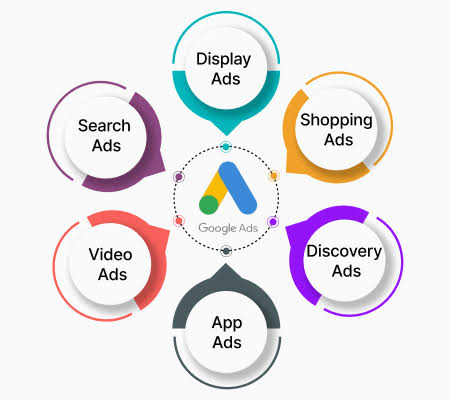
layer 1: branded search
exact match on your name, phrase on brand-plus-modifier, brand-plus-product in its own ad group
manual CPC. always. forever. smart bidding overpays for traffic converting regardless, and manual holds 95%+ impression share at the lowest possible cost
landing page: PDP or homepage. this buyer needs no education
below 90% impression share means competitors are eating your own name
layer 2: tiered shopping
where the majority of ecom google revenue lives. roughly 80% of spend flows through shopping placements
- tier 1: top 5-10 SKUs by revenue and margin. 40-50% of shopping budget. volume-focused target
- tier 2: growth products showing commercial signals. 25-30% of budget. tighter target
- tier 3: long-tail catalogue. 15-20% of budget. efficiency over volume
the custom labels from foundation 2 make this possible. the algorithm can't prioritise without structure, and tiers are the structure
layer 3: problem-aware search
symptom queries. "why do i wake up at 3am." "leg cramps at night." "natural anxiety remedies"
exact and phrase only. broad match on symptoms burns budget on irrelevant variations without end
landing page: dedicated advertorials, 1 per problem cluster. never a product page
this buyer doesn't know your product exists. education before offer
and measure this layer on remarketing pool growth and branded search lift, never first-click ROAS. it's a demand creation engine. judging it like a closing engine gets it killed, and then the layers below it starve
layer 4: solution-aware search
3 sub-layers, each with its own destination:
- category queries ("best magnesium supplement") route to comparison pages or short advertorials
- comparison queries ("creatine monohydrate vs HCL") route to dedicated comparison content
- transactional queries ("buy magnesium gummies") route straight to the PDP. this intent needs no detour
layer 5: conquest and demand gen
conquest: a dedicated campaign on competitor terms. "[competitor] alternative," "[competitor] reviews." manual CPC, because these CPCs run structurally high. landing page: a comparison built from their own review data. expect a quality score of 3-5 here and don't panic, it's structural
demand gen: your winning meta creatives deployed across youtube, gmail, discover and display. custom intent audiences built from your converting search keywords. measured on branded search lift and pool growth, not direct ROAS
if you want us to build this entire architecture for your brand instead of assembling it yourself, DM me "MASTERCLASS" and we'll show you what it'd look like
part 3: the bidding graduation ladder

bidding is a ladder you climb as data accumulates, not a setting you pick once
- 0-15 conversions: manual CPC or max clicks. the algorithm has nothing to learn from. give it structure, not freedom
- 15-30 conversions: max conversions, no target. let it optimise without a constraint it can't hit on thin data
- 30+ conversions in 30 days: graduate to target CPA on search or target ROAS on shopping
the trigger is always conversion volume, never time
a campaign at 20 conversions after 90 days stays on max conversions. a campaign hitting 30 in 15 days graduates early
when you switch, set the initial target BELOW current performance. running 3.8x on max conversions means a 3x opening target, not 4.5x. tighten 10-15% every 2 weeks as it stabilises. choke the algorithm on day 1 and it responds by strangling your volume
the 1 permanent exception: branded stays on manual. no data threshold changes this
part 4: the weekly keyword operation
keyword research is not a setup task. it's a weekly intelligence habit
the search terms report is the primary source of truth in the account. every query, full performance data, updated continuously. it tells you what converts, what wastes, and what new themes deserve their own campaigns

the monday protocol, 15-20 minutes:
- pull the last 7 days of search terms
- converting queries not yet in the account get added as exact match
- high-spend zero-conversion queries become negatives
- new clusters get flagged for campaign expansion
- complaint-worded queries feed the advertorial pipeline
the compound effect nobody sees coming:
month 1 at $10k spend with 0 negatives might return $30k. month 3 at the SAME spend with 400+ negatives returns $44k. budget unchanged. waste removed
1 supplement client was paying for "magnesium for fish tanks," "free magnesium samples," and "how to make magnesium at home." $12k a month of it. 1 audit and 1 negative list recovered $144k a year
the least glamorous work in google ads. which is exactly why it stays profitable, because nobody wants to do it
part 5: landing pages by intent
the most expensive mistake in google ads is treating all traffic the same
a buyer typing "why do i wake up at 3am" and a buyer typing "buy magnesium gummies" sit at completely different points in the decision. route both to the same PDP and one buys while the other bounces
the routing table:
- symptom queries → long-form advertorial, 1,500-2,500 words, 5 stages: hook, agitation, mechanism, solution category, product
- category queries → shorter advertorial or comparison page
- comparison queries → dedicated comparison content
- transactional queries → clean PDP, minimal friction, subscription prominent
- branded queries → PDP or homepage
- conquest queries → the "vs" page
on advertorial hooks: mirror the exact search in the reader's own words. "can't sleep?" stops nobody. "if you fall asleep fine but wake at 2am and can't get back down, keep reading" is the sentence the buyer typed on reddit last week
a supplement brand built 4 advertorials for 4 problem clusters. sleep, anxiety, cramps, energy. revenue per click on the problem-aware layer nearly QUADRUPLED. the keywords never changed. the destination did
and the compound bonus: well-built advertorials rank organically. 1 client's sleep advertorial now pulls $6k a month in organic revenue at 0 additional spend. the asset pays for itself, then keeps paying
part 6: the scaling methodology
brands scale by raising budgets. this works until it doesn't, and then nobody understands why performance degraded
the correct sequence:
- test tight. exact and phrase match. validate what converts before expanding reach
- graduate winners. keywords with 3+ conversions at target get tested on broad with smart bidding, which finds related queries you'd never discover manually
- mine the new terms weekly and add them back as exact match with tailored pages
- repeat. the cycle compounds
then expand the surface, not the pressure:
- geographic: the same keyword strategy in australia, germany, the UK, and other markets with comparable purchasing power at dramatically lower CPCs
- bing mirror: 2 hours of setup with the import tool. 10-20% additional revenue at 30-50% lower CPCs on identical keywords
- demand gen: winning meta creatives across youtube, discover, gmail and display once search and shopping run profitable
the brands at $100k+ a month aren't running more clever campaigns. they're running the same architecture on more surfaces and more geographies, with data advantages compounding from running it LONGER
part 7: the measurement model
the final piece, and where nearly everyone goes wrong
measure each layer by its actual job:
- problem-aware layers on remarketing pool growth and branded search lift. first-click ROAS will always look weak here, and killing the layer on that number starves everything downstream
- solution-aware and branded layers on direct ROAS
- subscription products on LTV-adjusted ROAS. a 3x first purchase becomes 9x when 40% of buyers reorder monthly. bid on the real number, because every competitor bidding on first-order maths loses the auctions to whoever knows their true ceiling
impression share as a growth signal: profitable campaign below 60% impression share means room to scale with 0 new campaigns. raise the budget and watch it climb. those are profitable impressions sitting on the table
branded search volume, tracked weekly: the proof upper-funnel investment works even when attribution won't show it. awareness building looks like your own name getting typed more often
blended account ROAS: all spend over all revenue. improving means the ecosystem works. declining despite strong individual campaigns means a structural issue, usually over-feeding easy branded traffic while starving acquisition
this is the framework. it generated $20M+ across supplements, jewelry, pet care, home goods, skincare and health
it's not complicated. it requires doing the right things in the right ORDER, with the patience to let quality scores and remarketing pools compound
the automotive brand at 21x from $57k in spend ran this exact sequence. so did the supps brand we moved from $155k to $328k a month in 90 days. the campaigns differed. the architecture never did
if you want us to build this entire system for your brand and apply every element of this framework to scale you toward 8 figures, DM me "MASTERCLASS" and we'll make it happen
($20M+ generated for ecom brands through google ads ecosystems, fully done-for-you)
amin
Related articles
![How To Make F*CK You Money With Google Ads [Fast]](https://pbs.twimg.com/media/HSqlvPYXsAAHdDv.jpg)
How To Make F*CK You Money With Google Ads [Fast]
Your competitors are spending money to create demand for YOUR product.

How to get AI Overview & AI Mode to recommend your products | A Complete Guide
faq schema, which labels your question-and-answer content so ai can pull it when someone asks a relevant question.

how to STEAL your competitors customers with google ads
i built an AI workflow that does in 20 minutes what a $5,000 google ads audit takes 2 weeks to deliver.