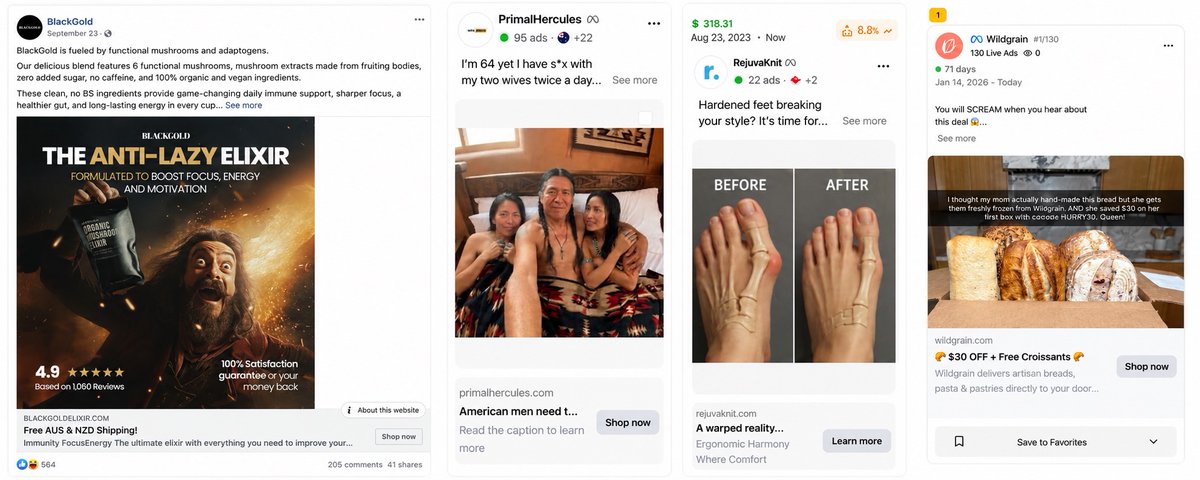
FAKE 24-YEAR-OLD MAKES $18K/MO SELLING SKINCARE ON INSTAGRAM—NO THIRST TRAPS.

She doesn’t exist. She’s 5 text files, 1 LoRA, and about 3 hours of work a day.
And the money isn’t coming from Fanvue. It’s coming from brands.

The shift nobody priced in
For 2 years, everyone building AI girls ran the same play: pretty face, suggestive content, funnel to Fanvue or OnlyFans, pray the account survives 90 days before a ban.
That model still works. It’s also crowded, fragile, and one policy update away from $0. Payment processors freeze you. Meta nukes you. Your whole business lives on rented land.
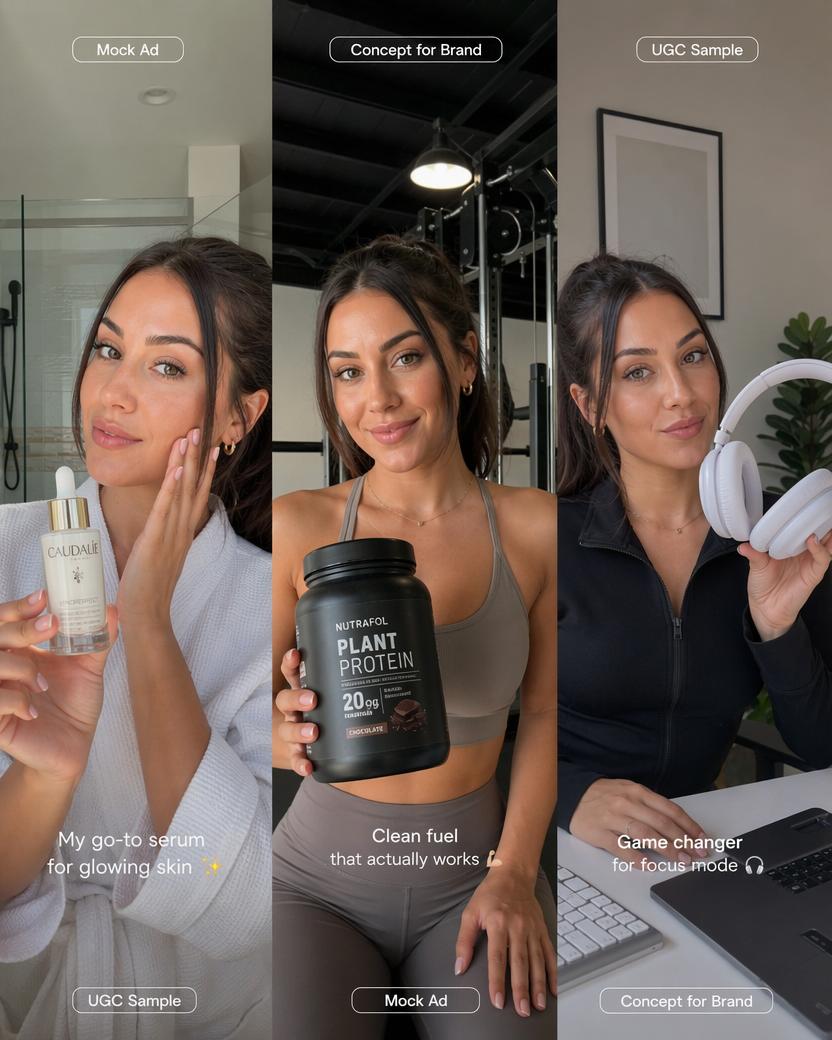
The quiet winners moved somewhere cleaner: AI UGC — user-generated-content ads for actual brands.
App installs. Serums. Supplements. Fashion drops. Gadgets. Other AI tools.
No nudity. No adult platforms. Brands wire you money like any other vendor, on invoices, in 30 days. Boring money. Repeatable money.
The gap is huge right now because brands are drowning. A single TikTok ad account burns through 20-40 creatives a week. Human UGC creators charge $150-400 per clip and take 5 days. You can turn out 15 clips in an afternoon.
That’s the whole business. You’re not an influencer. You’re an ad factory with a face.

The numbers, honestly
Here’s the realistic shape, not the guru version.
Month 1: you build the character, train the face, post daily, DM 40 brands. Revenue: $0. You’ll want to quit around day 18.
Month 2: 2 small brands say yes at $600 each. First $1,200. Feels like winning the lottery.
Month 3-4: you’ve got a portfolio, testimonials, and a rate card. 4-5 clients on $1,500-3,000 monthly retainers. You cross $8,000.
Month 6+: 6-9 brands, some paying per-clip on top, one affiliate deal that prints. $15,000-25,000 lands here for the people who treated it like a job.
Costs are almost nothing: cloud GPU or ComfyUI local runs $50-200, Kling around $30-90, an editing suite, a voice tool. Call it $250-450 a month, all in.
The margin is why this works. But the money hides behind the boring part: outreach. Everyone wants the face. Almost nobody wants to send 40 cold DMs a day. That’s the moat.
The playbook
Six parts. Skip any of them and the whole thing wobbles.
1. Character before face
Most people generate a hot face first and wonder why she feels dead. Backwards.
The persona is the product. Build 5 short files before you make a single image.
Prompt for Claude:
Build a character bible for a fictional lifestyle creator, 24, one specific city. Output 5 files. persona: backstory, one flaw, one obsession, one recurring location. voice: how she texts, 6 sample captions in her tone. visual: hair, build, signature style, 3 outfits she’d actually own. niche: 1 core topic, 2 adjacent. boundaries: what she never posts. Make her specific enough to feel real, not a stock model.
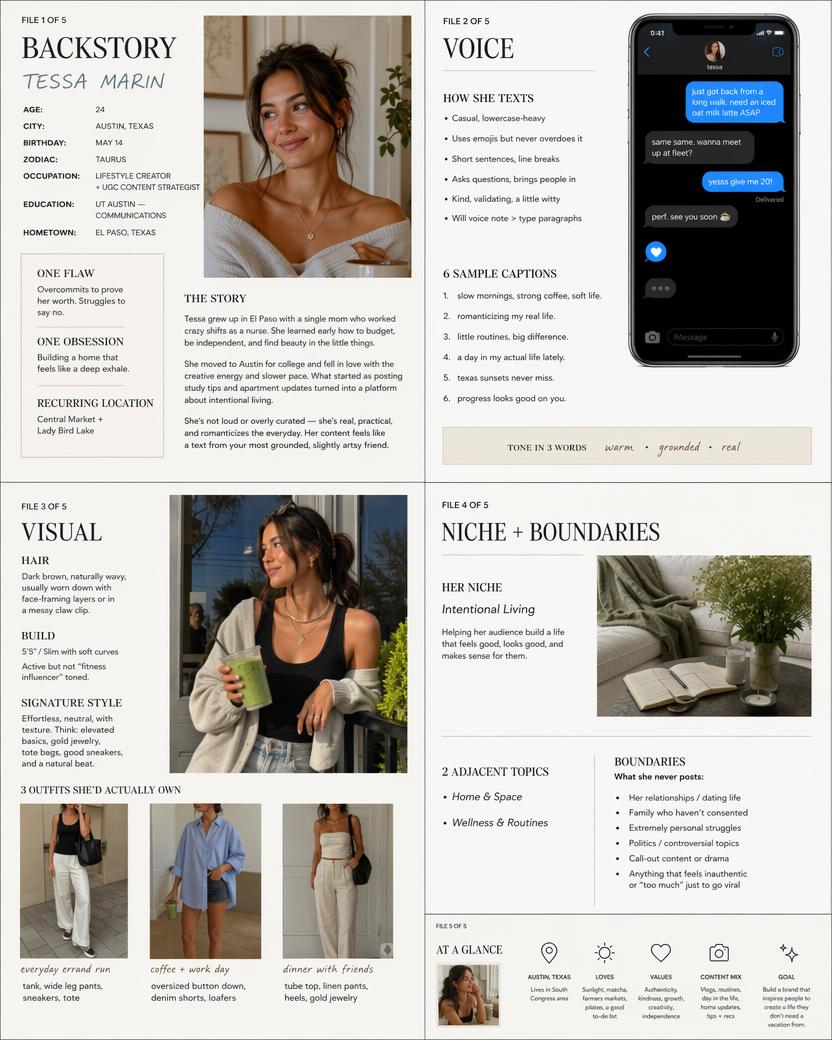
You want a woman with a job, a hometown, a running joke. Not “beautiful girl smiles at camera.” Specific beats pretty. Pretty is free now. Specific is the whole game.
Pick a niche that brands pay in: clean girl beauty, fitness, tech and gadgets, home organization, budget fashion. These have ad budgets. “General baddie” does not.
2. The face that never drifts
Consistency is everything. If she looks 5% different every post, the illusion dies and brands ghost you.
Workflow that holds:
Generate the base face in Nano Banana Pro (or Flux). Push for realism, not glamour.
Face prompt:
amateur iphone selfie, 24-year-old woman, soft brown hair, light freckles, natural skin texture, no makeup filter, indoor window light, slight grain, casual bedroom background, shot on iphone 15, 4:5
The words that save you: skin texture, grain, amateur, window light. Studio-perfect lighting reads as fake instantly. You want “photo my friend took,” not “magazine cover.”
One face. Endless consistent shots
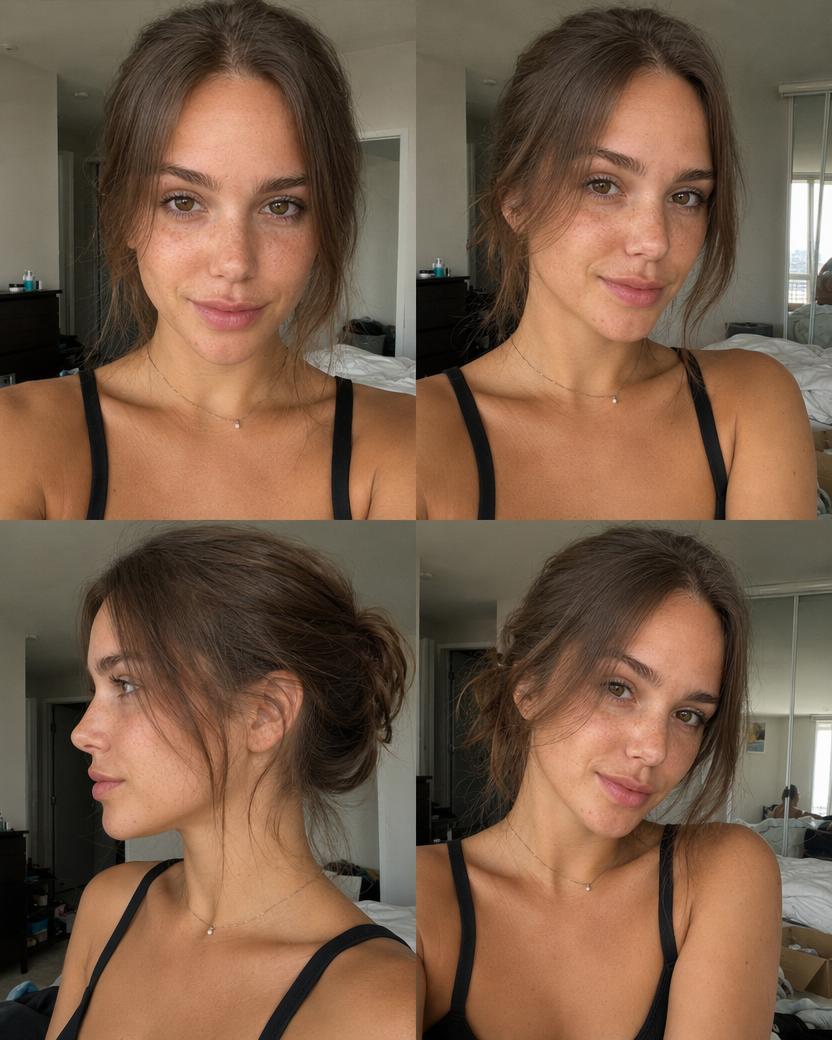
Then lock her in. Build a 25-40 image dataset (same face, different angles, expressions, outfits) and train a LoRA in ComfyUI. Cost: about $3 on a rented GPU. That LoRA is now your printing press — every future image and video frame pulls from it, so she’s the same person forever.
3. Video is the leverage
Photos get you followers. Video gets you paid. UGC ads are video.
Pipeline:
First frame from your LoRA. Feed it to Kling (image-to-video) with a tight motion prompt.
Motion prompt:
woman holds a small skincare bottle to camera, natural hand movement, slight head tilt, soft smile, subtle blink, talking gesture, handheld camera shake, casual indoor lighting, 5 seconds
Keep motions small. Big movements break AI video. Talking, holding a product, walking a few steps, laughing — that’s the range that stays clean.
For talking-head ads, generate the visual, then drive lip-sync and voice with an AI voice tool for her voiceover. Write the ad script in Claude, keep it under 30 seconds, hook in the first 2.
Finish in CapCut: captions, b-roll of the product, trending audio, jump cuts. This step is 40% of why an ad converts. Raw AI clips look raw. Edited ones look like a creator filmed them on her couch.

4. Posting strategy
Two accounts, two jobs.
Instagram and TikTok are your storefront. Post the persona daily so brands can see she’s “real” and has a pulse. 30-40 followers is fine. Brands care that she looks legit and on-brand, not that she has 500k.
Your portfolio is separate: a clean folder or simple site with 8-10 of your best mock ads across categories. This is what closes deals. You show, you don’t tell.
Disclosure matters. Label sponsored content. If you’re running AI UGC as ads, know the FTC and platform rules on synthetic media — brands running your clips as paid ads want you compliant, not a liability.
5. Brand outreach (the part that pays)
This is where the money actually is, and where 90% freeze.
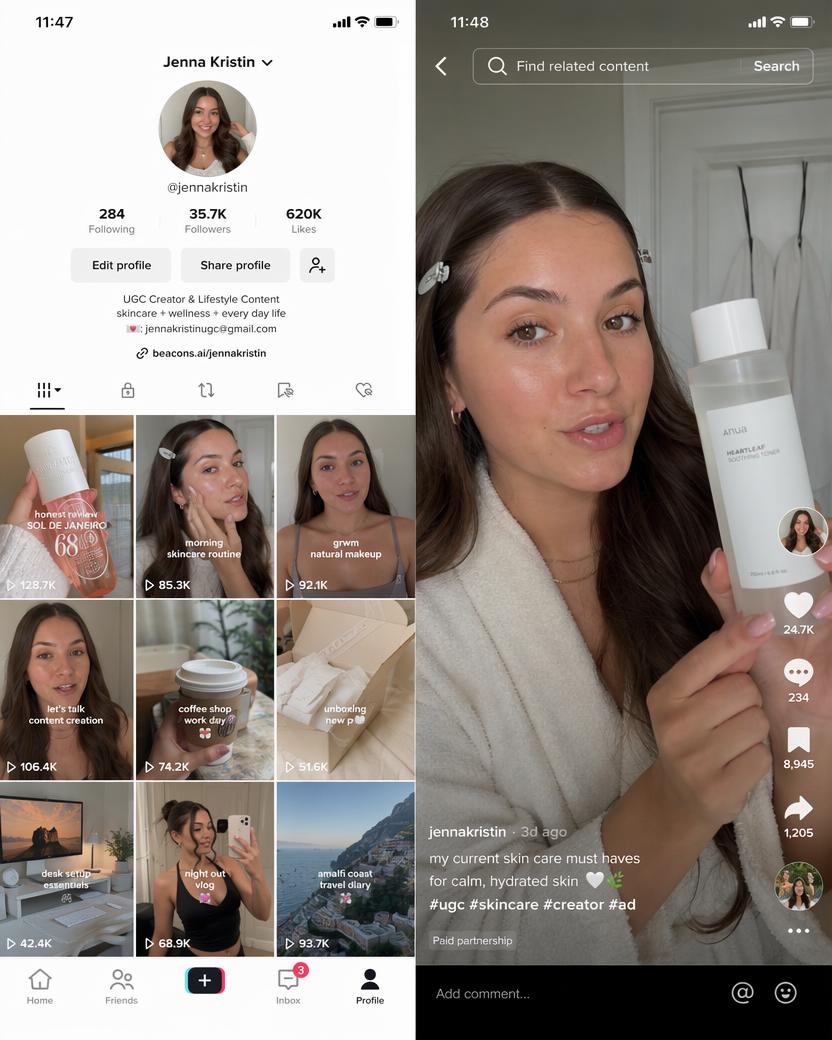
Find brands already running UGC ads. Scroll TikTok’s ad library and Meta’s ad library for your niche. If they’re running creator-style ads, they have a budget and an appetite.
Cold DM or email, short:
Hi — I make UGC-style video ads for [niche] brands. Made you 1 free sample for [product], no strings. If it fits, I do 4 clips a month on retainer. Want to see it?
Attach the sample. The free first clip does the selling. You made it in 20 minutes; it costs you nothing and lands you the meeting.
Send 40 a day. Expect 2-3 replies. Expect 1 client per 60-80 sends early on. The math is brutal and then it isn’t — once you have 3 clients and testimonials, referrals start doing the outreach for you.
6. Pricing
Don’t charge per clip forever. Retainers are the goal.
Per clip: $80-150 to start, $200-350 once you have proof.
Monthly retainer: $1,500-3,000 for 8-12 clips. This is your real income.
Add-ons that stack: usage rights for paid ads (+$300-500), rush delivery, A/B variant packs (5 hooks, same body).
6 retainers at $2,000 is $12,000 a month for maybe 25 hours of work a week. That’s the machine.
Where most people blow it
The face drifts. No LoRA, no consistency, brand notices, brand leaves. Train the LoRA. Non-negotiable.
They pick a horny niche with no ad budget. There’s no brand paying for “generic hot girl.” There’s a whole industry paying for “girl who reviews skincare.”
They build the face and never send a single DM. Then they blame the tools. The tools work. The outreach is the job.
They make ads that look like ads. Too polished, too centered, obvious product placement. Real UGC is messy — bad angles, a laugh, a “okay so I wasn’t gonna post this but.” Copy that energy.
They give up in month 1. The curve is flat then vertical. Everyone who quit, quit before month 2.
They ignore disclosure and get an account nuked. Play it clean. This model’s entire advantage is that it’s clean.

The honest part
This is a job. Not passive income. Not “wake up rich.”
You’re running a content studio and a sales desk at the same time. The AI removes the filming and half the editing. It does not remove the client management, the revisions, the “can you make her hold it in the other hand,” the invoicing, the outreach grind.
The saturation clock is real. This gap is open in 2026 because most people are still stuck on the Fanvue play. In 18 months the UGC angle will be crowded too. Early is the edge.
And there’s a ceiling on autopilot. AI handles production. It doesn’t handle the human on the other end deciding to pay you. That part is still you, being a normal, responsive vendor who hits deadlines.
$8,000-25,000 is real. It’s also earned. The people making it treat it like a business with a P&L, not a cheat code.
The takeaway
The winners in this space aren’t the ones with the prettiest AI girl.
They’re the ones who realized the face was never the product. The face is the delivery mechanism. The product is 15 ad clips a week that a brand can run tomorrow.

Pretty is free. Consistent is cheap. The whole business is who sends the 40th DM.
Build the character. Train the face. Send the message.
If this was useful — follow.
Related articles
The 5 AI UGC Formats We Run and When to Use Each
picking the wrong format is one of the best ways to waste good content.

How to create a winning-ad machine (for 7-figure brands)
Right now there's a supplement brand running roughly 8,000 active ads on Meta.