how to 10x META's profitability in 24h without touching a single ad
your meta ads are generating google searches RIGHT NOW
every impression you run on instagram plants a seed. the buyer sees your product. they don't click. they scroll past. life happens
but the seed is planted
3 days later a conversation triggers the memory. or the problem flares up at 2am. or they see a similar product in a store and remember yours looked better
they pull out their phone and type your brand name into google
or the product category. or the problem your product solves. or "best [your product type] review"
if your google ads capture that search, you close the sale at a fraction of the CPA you paid on meta to create it
if they don't, 1 of 3 things happens:
- a competitor bidding on your brand name shows up first and takes the sale you paid to create
- a marketplace or review site intercepts the buyer before they find your store
- the buyer gives up, forgets, and the impression you paid for produces 0 return
this is happening to your brand today. and fixing it takes 24 hours
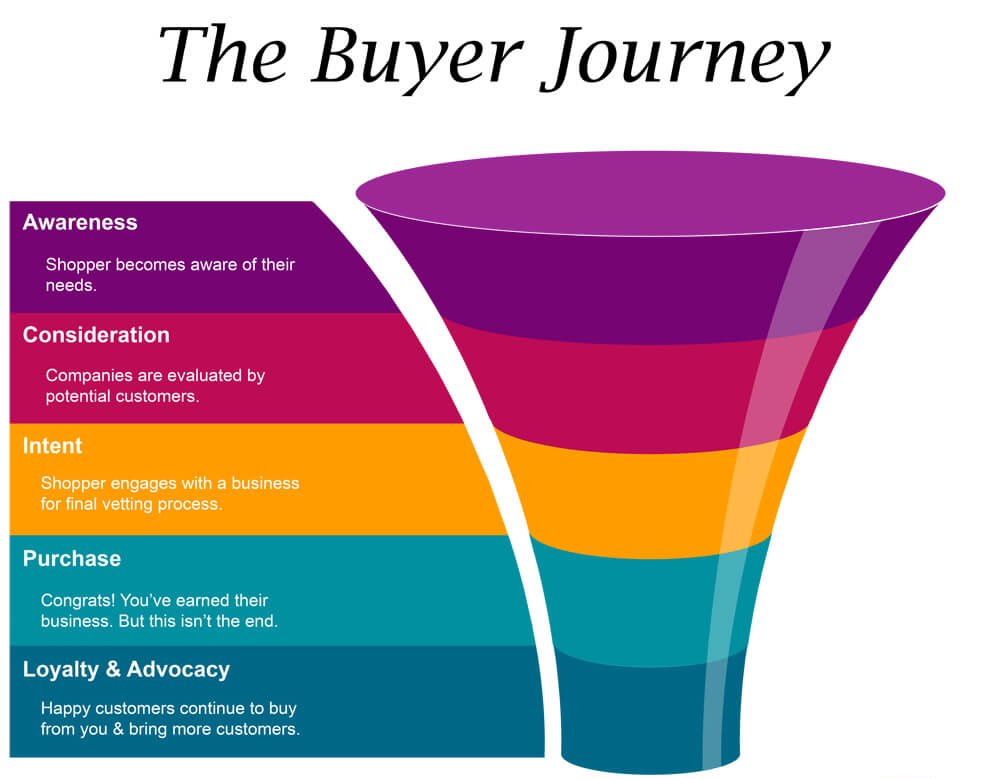
the customer journey was never a straight line
the fantasy version of meta attribution: buyer sees ad, clicks ad, reads page, buys. 1 session, 1 touchpoint, 1 conversion
the reality is messier
the buyer sees your ad on instagram at 7am. the product looks interesting but they're not spending $45 on something they've never heard of. they keep scrolling
3 days later a friend mentions the exact problem your product solves. the buyer remembers. they open google and type something close to your brand name. a shopping result appears. they recognise the product image. they click. they buy
who gets the credit?
if you're running meta only, meta's view-through window claims that conversion and the dashboard looks fine
but the conversion HAPPENED on google. and if you weren't running google ads when the buyer searched, you either got lucky with organic or lost them entirely
we call this the demand leak. it exists in every meta-first ecom account we audit, without exception
think of meta as a farmer scattering seeds across a field and google as the harvest. the brands running meta alone are planting all season and wondering why the barn is half empty. someone else is walking the rows at night with a basket
we opened one brand's auction insights and found 43% impression share on their own name. a competitor was spending $3k a month to intercept demand the brand had spent $40k on meta to create
$3k to capture $40k worth of intent. the arbitrage of the decade, running against them
if you want us to build this fix for you instead of doing it yourself, DM me "META" and we'll set it up
the 24-hour fix, part 1: branded search
1 hour of setup. the most valuable campaign per dollar in any google ads account
the keyword list:
- your brand name, exact match
- your brand name, phrase match
- brand name + product type
- brand name + review
- brand name + discount
- brand name + buy
- common misspellings
the ad copy:
- headline 1: your brand name
- headline 2: your core benefit under 30 characters
- headline 3: your strongest trust signal
- description 1: what the product does and why it's different
- description 2: the risk reversal. guarantee, free returns
landing page: your homepage or the exact PDP your meta ads promote. match the destination to whatever the meta campaign is pushing
bidding: manual CPC. this auction is cheap and you want to SIT at the top of it, not let an algorithm decide you don't need to
budget: $20-30 a day to start. branded CPCs run low because competition on your exact name is minimal
negatives: every generic category term. the branded campaign shows for your name only
publish it. google's review queue takes about a business day for standard ecom, sometimes a few hours
the moment it goes live
the second the status flips to approved, your ads enter the auction
and because the search intent is EXTREMELY specific, google ranks you at the top almost instantly. there's no learning phase on branded search the way there is on cold campaigns
clicks hit your site within minutes
branded search converts at 3-8x the rate of cold traffic on any platform. the buyer already knows the brand, already trusts it, already decided. you're removing the last obstacle between their intent and your checkout
every branded click you capture is a sale you were previously donating to organic variance, competitor bids, or buyer drop-off
the objection i hear every week: "they'd find us anyway, we'd get that traffic for free"
sometimes, yes
and the rest of the time a competitor's ad sits above your organic listing, an amazon result outranks your store, or the buyer types a misspelling and lands somewhere else entirely. the branded campaign costs pennies per click precisely BECAUSE the traffic converts. paying pennies to guarantee a sale beats gambling it on the organic lottery
part 2: non-branded search, same session
while the branded campaign sits in review, build the second layer
your meta ads aren't only priming people to search your brand. they're priming category interest. the buyer who saw your sleep supplement ad but forgot your name types "best supplement for sleep" instead
the keyword categories:
- product category: "magnesium supplement," "dog anxiety supplement," "wireless earbuds"
- problem queries: "best supplement for sleep," "how to reduce dog anxiety"
- comparison queries: "creatine monohydrate vs HCL," "best wireless earbuds 2026"
match type: phrase to start. tight control while the data builds
the landing page decision is where this layer lives or dies
this traffic is colder than branded. they know the category, not you
sending them to a PDP is the single most common mistake in google ads. price, features, buy button, and no reason to trust any of it. a 3-second bounce
build an advertorial instead. 800-1,200 words. open with the problem the keyword describes, in the buyer's own language. explain why the common solutions fail. introduce the mechanism. present your product as its implementation. proof, then a clean path to the PDP
we've taken keywords converting at 1.5-2x on product pages and produced 4-13x through advertorials. the traffic didn't change. the destination did
budget: $30-50 a day to start
part 3: the shopping layer, same session
selling a physical product means shopping goes live in the same sitting
the quick wins on the feed:
- rewrite titles so the first words carry the keywords buyers type. "Creatine Monohydrate for Strength + Recovery | Micronised | BrandX" beats "BrandX Creatine 5g" for discovery, every time
- upload at least 1 lifestyle image per product. your competitors run product-on-white and every listing in the grid looks identical
- display free shipping if your economics support it
- connect google customer reviews so the star rating shows on the listing
structure: standard shopping to start, not PMax. maximise clicks. let it gather data for 2-3 weeks before touching the bid strategy
the grid is a pattern-matching game. 9 identical white-background listings and 1 showing a real person getting a result. the eye goes where the pattern breaks
what waiting costs you, per month
run the numbers on your own brand
take your monthly meta spend. industry data puts branded search lift at meaningful volume for any brand spending $30k+ a month on paid social. every 1 of those searches lands on a SERP you either own or donate
we've watched brands lose $15-20k a month to this leak without knowing it existed. the loss never shows up in a dashboard you look at. meta reports its view-through conversions and looks healthy. google isn't running, so there's no google report to alarm you
the leak is invisible BY DESIGN. the only place it appears is in a competitor's revenue
and it compounds against you. every month a competitor owns your branded SERP, they build quality score on YOUR name. their clicks get cheaper. your eventual entry gets more expensive. waiting doesn't preserve the opportunity, it hands your rival a head start on your own brand equity
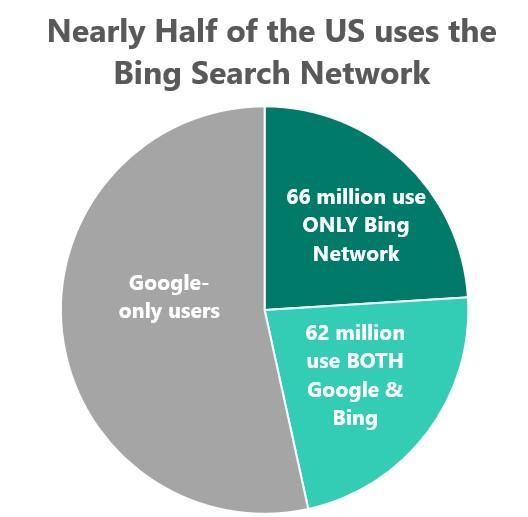
the bing extension, while you're at it
once the google stack is live, the same structure imports to bing in 15 minutes with their import tool
6-8% of search share. older, wealthier users. CPCs 30-50% lower because the auction is nearly empty. we launched a fresh bing account for one client and pulled $20k from $2.8k in spend inside 4 weeks
same demand, second surface, near-zero competition. the meta impression you paid for doesn't care which search engine the buyer's browser defaults to
why the success rate is 99%
this is the part founders take a second to absorb
launching cold campaigns is a bet. new creative, new audience, new algorithm learning phase. it works often, and it's still a bet
this is not that
you're capturing demand your meta spend already created. the buyers are already searching. the only question is whose result they find when they do
there's no creative test to lose. no algorithm gamble. no learning phase on the branded layer. the demand exists whether you show up or not
which is why this works for essentially every brand running meta at meaningful spend. the mechanism doesn't depend on your niche, your creative, or your luck. it depends on people googling things after seeing ads, which is simply how humans buy now
what happens to your meta numbers
here's the effect nobody expects
your META performance improves without anyone touching meta
a clothing brand we run added the google layer alongside a $50k+/month meta operation. $3,845 in google spend produced $61,783 in conversion value. 14.83x
meta revenue didn't drop a dollar. it went up
because the buyer who saw the meta ad, then the shopping listing in gmail, then the display placement on a news site, converts at a higher rate when the meta retargeting ad finally reappears. the touchpoints compound across platforms. CTR climbs. CPA falls. the meta team changed nothing
the 2 channels were never competing. meta creates the demand. google collects it. the blended CPA across both drops, and the google revenue is nearly pure margin because the awareness was already paid for
the 24-hour timeline, start to finish
- hour 1: branded search built and submitted
- hours 1-2: non-branded search built with the advertorial destination mapped
- hours 2-3: shopping feed quick wins and standard shopping submitted
- hours 3-24: google review queue
- hour 24: approved. ads live. the leak plugs
from that point the branded layer captures what meta manufactures daily, the non-branded layer collects the category demand, and the shopping grid puts your product in front of every high-intent search
the money was always there. it was flowing to whoever showed up
and once the layer exists, it compounds monthly. quality score builds on your branded terms. the shopping feed gathers query data. the advertorials collect the search terms your next campaigns get built from. the 24-hour setup is the door, the compounding behind it is the actual prize
if you want us to audit your ecom brand and show you how we'd implement this exact google + meta ecosystem to capture every dollar of demand your advertising creates, DM me "META" and we'll make it happen
($10M+ in ad revenue generated through google ads ecosystems, fully done-for-you)
amin
Related articles

Mars men's full meta ads playbook (4,512 ads)
Mars Men has 4,512 ads live on Meta right now, on a Facebook page that only exists since December 2023.
How to Start a 6 Figure Faceless YouTube Channel (Full Breakdown)
I've helped over 400 people start profitable faceless youtube channels. i've ran over 50 channels myself. Generated over $4 MILLION by age 25. Worked with youtubers that have 10 million+ subscribers,…
Inside Resilia's $14M Song Ads: The Blueprint Behind Their Winning VSLs
In these ads, the pain is always presented as dialogue that comes from other characters, so the hero never describes themselves this way.