how to write hooks that consistently hit above 45% hook rate (full guide)
We create over 500 ads a month. The hook is the #1 thing that makes or breaks the ads we test.
Every week we produce studio hooks across every ad format we run.
We track what works and what doesn't.
Here's what I've extracted so far from THAT, plus a lot of sources I know and work for us:
quick refresher
The first three seconds of your ad matter more than anything that comes after.
If the hook fails, the rest of the ad is irrelevant
So basically, it will erase all efforts you've done towards the ad:
- the scriptwriting won't matter
- the actors you hired
- the ad spend, etc
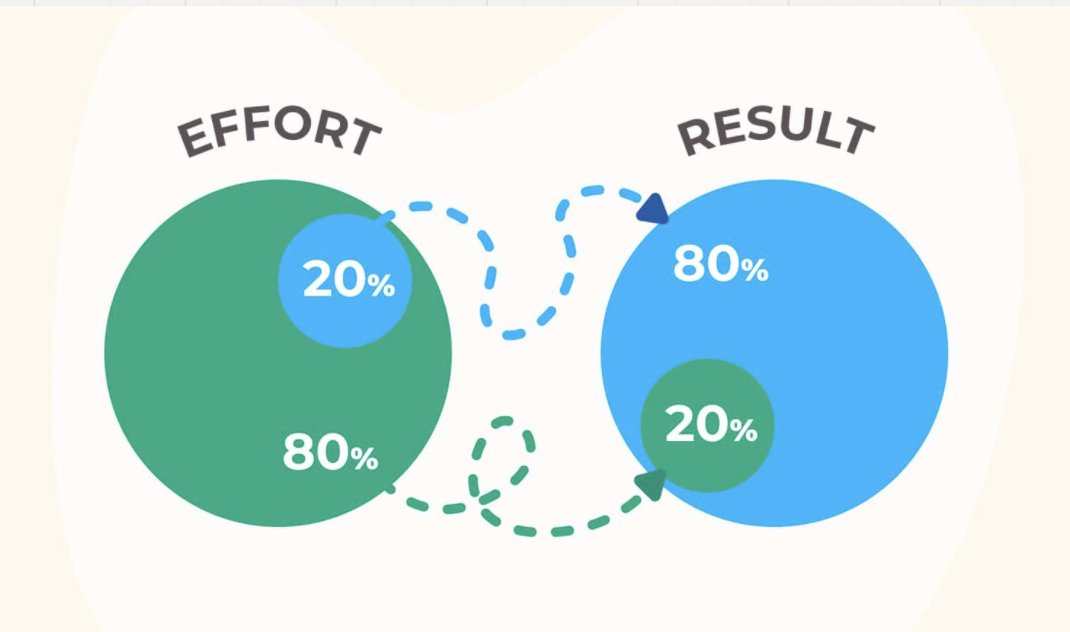
The Pareto principle applies here directly. 80% of your results come from 20% of your effort.
In terms of ads, that 20% is the hook.
Most brands spend the majority of their creative energy on the body, the offer, the CTA.
The hook gets a line or two at the top of a brief.
That's not really how it should work.
The hook deserves the majority of creative thinking, and the majority of your time.
the three ingredients
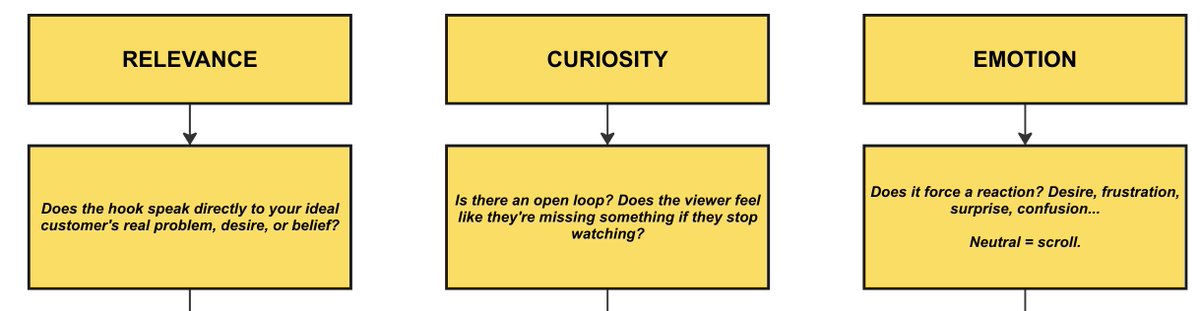
A hook needs at least one of three things to work.
The first is relevance.
Does the hook speak directly to your ideal customer's real problem, desire, or belief?
An example we use: "Your toes will never be cold again."
Simple. Specific. The right person feels immediately seen and stops.
The second is curiosity.
Does the viewer feel like they'll miss something if they scroll?
We ran an ad for a dog brand:
"Vets recommend something called occupational chewing therapy to help calm dogs naturally."
Nobody knows what that means.
The open loop forces them to keep watching.
And the mechanism you introduce to close that loop later in the ad becomes the thing that converts them.
The third is emotion.
Does the hook force a reaction?
QOVES has a great example: "Every guy's New Year's resolution is to improve their body. But barely any guys are trying to improve their face, which is quicker and easier."
It challenges a belief that the viewer has (they know this), so it provokes a reaction.
But here's what to actually STOP doing in your hooks (most brands fall for this)
the mistake that kills hook rate data
I know my article title says "hook rate".
But a 100% hook rate means nothing if the people stopping would never buy your product.
When you chase hook rate as an isolated metric, you can accidentally train Meta to show your ad to people who will never buy.
Their attention looks like success in your dashboard when you shouldn't care.
A 15% hook rate of your actual buyers is worth more than a 60% hook rate full of the wrong people.
What you want is the highest percentage of qualified prospects stopping and not the highest raw percentage.
Broad, viral hooks are fine.
Just make sure your qualified buyer feels like the ad is for them when they see it.
When the right person thinks "this is for me," they watch.
That's the only metric we feel turns into revenue.
visuals are more than half the hook

The best script dies if the visual doesn't match the energy, tone, and emotion.
Both have to work together.
Some visuals that work for us:
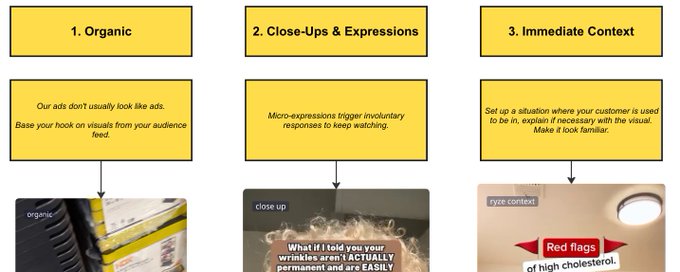
- Organic: make your initial visuals not look like an ad (our expertise if I'm being honest.
- Closeups and expressions that trigger involuntary responses. A face reacting to something makes you want to know what's happening.
- Immediate context drops the viewer into a familiar situation. For a literal masterclass of this one, just look at one of our ads below:
Embedded post:
Author: Lorenzo | Meta Ads & Performance Creatives 📈 (@lorenzo_pravata) Post ID: 2011519054633112009 Source: https://x.com/lorenzo_pravata/status/2011519054633112009 Reply to: none
Text:
> Here’s what TRUE creative diversity looks like: > > Creating formats out of thin air. > > Most UGC nowadays is a monologue. > > One person. One message. One point of view. > > But with ads that don’t look like ads… > > You draw attention just by how unique & raw they look. > > So instead of wondering where the hell you can find more diverse ads… > > Let us handle it. > > You focus on everything else. > > We find variety with: > > - Different actors > > - Different angles > > - Different personas targeted > > - Different awareness levels tackled > > Plus a lot more with our own studio. > > Team crushed it with this one.
Media:
- video:
always test at least three hook variations
This should be simple to understand if you're currently testing ads.
We structure hook variations at the top of every script and carry the same body through.
Different hooks within the same concept will compete against each other on Meta — usually one wins.
You want to find it before you scale, not after.
If the ad looks like an ad from the first frame, getting a high hook rate gets harder.
The format matters as much as the words.
We know this, so we've mastered podcast clips, interview setups, two-person conversations: these stop the scroll because they look like content.
By the time the viewer realises it's an ad, they're already half a minute in.
Talk soon
Lorenzo
Want a free audit for your brand? DM me "Audit" or click the link in my bio.
Related articles
the 48 laws of winning meta ads funnels
robert greene published the 48 laws of power in 1998. every law was drawn from the same source: thousands of years of strategic thinking by people who understood that human nature is the operating sy…

the dark psychology behind winning meta ad creatives
"if you know the enemy and know yourself, you need not fear the result of a hundred battles."

Mars men's full meta ads playbook (4,512 ads)
Mars Men has 4,512 ads live on Meta right now, on a Facebook page that only exists since December 2023.